

 The Home Growns
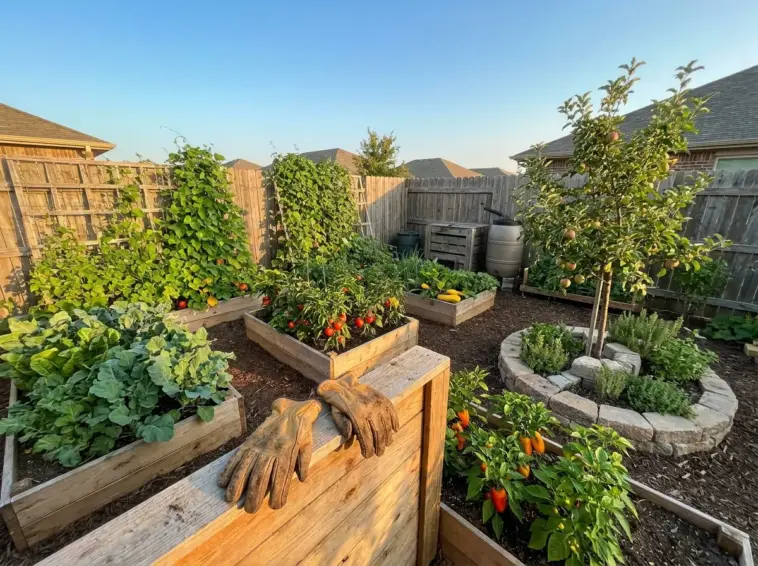
Did you know that the average American backyard is just 0.2 acres — and that’s more than enough to feed a family of four?
I was shocked when I first learned that, too.
Whether you’re a busy mom in Chicago squeezing raised beds between the swing set and the fence, or a design-savvy homeowner in Seattle dreaming of a gorgeous edible garden that’s as beautiful as it is productive — a mini farm is absolutely within your reach.
Gone are the days when farming meant sprawling fields and heavy machinery. Today’s mini farms are smart, stylish, and surprisingly simple to manage. And the best part?
You don’t need a rural zip code or a green thumb to make it work.
In this guide, I’ll walk you through everything — from planning your layout to harvesting your first full yield — so you can grow real food in real life, no matter how small your space.
Why a Mini Farm Under Half an Acre Is More Productive Than You Think
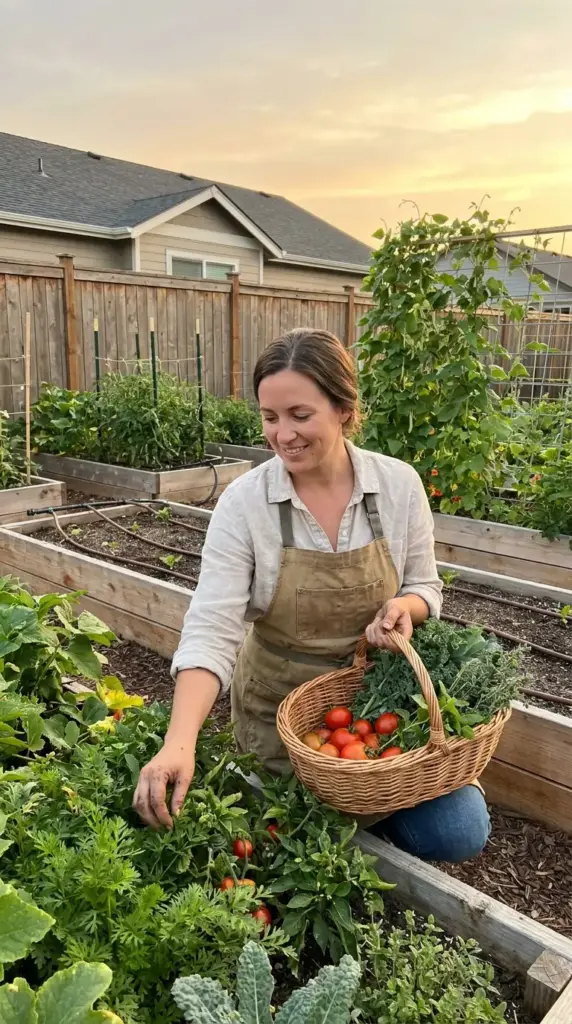
I’ll be honest — when I first started talking about growing a real food garden in my backyard, people looked at me like I’d lost my mind.
“You need land for that,” they said. Yeah, no.
The “More Land” Myth Is Just That — a Myth
Here’s a stat that genuinely stopped me in my tracks: a well-managed 1,000 square feet of garden space can produce up to 300 lbs of food per year.
That’s less than a quarter of a half-acre. Let that sink in.
The idea that you need sprawling fields to grow meaningful food is outdated thinking. Intensive planting methods changed everything.
How Intensive Planting Makes Every Square Foot Count
Techniques like square foot gardening, companion planting, and vertical growing allow you to stack yields in ways traditional row farming never could.
Instead of leaving space between plants, you’re filling every gap intentionally. I once grew tomatoes, basil, and lettuce in a 4×8 raised bed — and harvested from it all summer long.
It takes some planning, but once you get it? Chef’s kiss.
Real Families, Real Results
This isn’t theory. Families in Los Angeles, Atlanta, and Washington, DC are producing 200+ lbs of food annually on plots under 0.2 acres.
One urban homesteader in LA documented growing over 400 lbs of vegetables on just 1,500 square feet using layered planting and drip irrigation. No tractor. No farm. Just smart design.
The Lifestyle Benefits Nobody Talks About Enough
Studies show that gardening reduces cortisol levels — that’s your stress hormone — by up to 68% after just 30 minutes outside.
For women especially, tending a backyard garden has been linked to improved mood, better sleep, and a stronger sense of purpose. I’ve felt it myself. There’s something grounding about growing your own food that no wellness app can replicate.
It’s not just a garden. It’s a lifestyle shift.
Now that you know why a mini farm works, the next step is figuring out where everything goes — hit that next button to learn how to plan your mini farm layout like an absolute pro. 🗺️

GIPHY App Key not set. Please check settings