

 The Home Growns
Root Rot in an Arid Yard: The Hidden Drainage Paradox
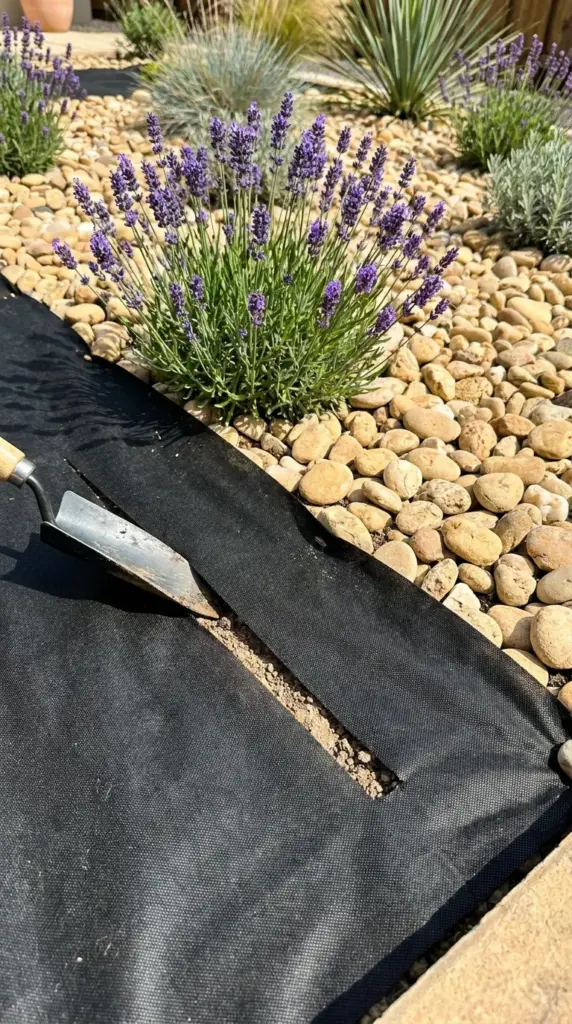
I’ll never forget digging up a completely collapsed lavender plant that looked bone-dry on top, only to find the roots dripping wet and smelling like a stagnant swamp. It was a total wake-up call about how incredibly deceptive gravel landscapes can be.
We easily assume dry climates mean automatic safety from overwatering, but the space under your rocks can become a hidden trap.
The Underground Swimming Pool Effect
When you lay down cheap, non-porous landscape fabric under heavy stone, it acts like a giant plastic sheet. Rainwater or water from your drip irrigation seeps right through the rocks but gets completely trapped on top of the heavy clay soil below.
Your agaves and desert shrubs end up drowning in a secret underground puddle while the surface looks perfectly parched. This complete lack of proper soil drainage invites nasty fungal pathogens that trigger sudden, devastating root rot.
Restoring Structural Drainage
You don’t have to rent a massive bulldozer and tear up your entire front yard design to fix this messy situation. Instead, use a narrow garden trowel to carefully slice long drainage slits into that suffocating weed barrier near your plant bases.
Gently incorporate a bit of coarse sand or fine gravel into the planting hole to help break up dense earth. This simple trick allows trapped moisture to finally escape, giving those poor roots some much-needed breathing room.
Now that we’ve saved your roots from drowning in a hidden swamp, it’s time to shift gears into keeping this entire ecosystem happy with practically zero effort, so definitely hit that next button below so we can wrap this up with my favorite low-maintenance stewardship secrets.

GIPHY App Key not set. Please check settings