

 The Home Growns
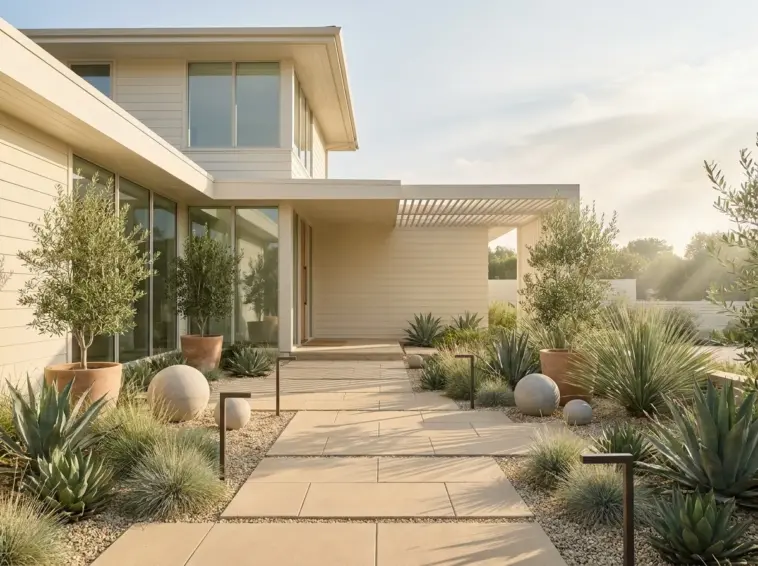
Would you believe me if I told you that trying to save money on your water bill by redesigning your yard could actually trigger a hidden financial disaster right under your feet?
Over the next few minutes, we are going to walk through the ultimate blueprint for mapping out sleek functional zones, picking cheap but stunning native varieties, and using local hardscape materials to get that high-end look. We’ll also dive into how a simple drip system and the right mulch keep everything thriving.
But here is the catch: most homeowners completely skip the foundational prep work because they think they’re saving a quick buck, only to watch their expensive new greenery die in weeks.
It turns out that the absolute biggest threat to your budget isn’t the price of the plants at all, but a sneaky, counterintuitive mistake that completely ruins your soil’s drainage.
Don’t worry though, because this quick guide will give you the exact steps to avoid this trap and build a gorgeous, modern drought tolerant landscape without any of the extra fluff.
The Fatal Flaw: Why Most Budget Drought-Tolerant Designs Fail
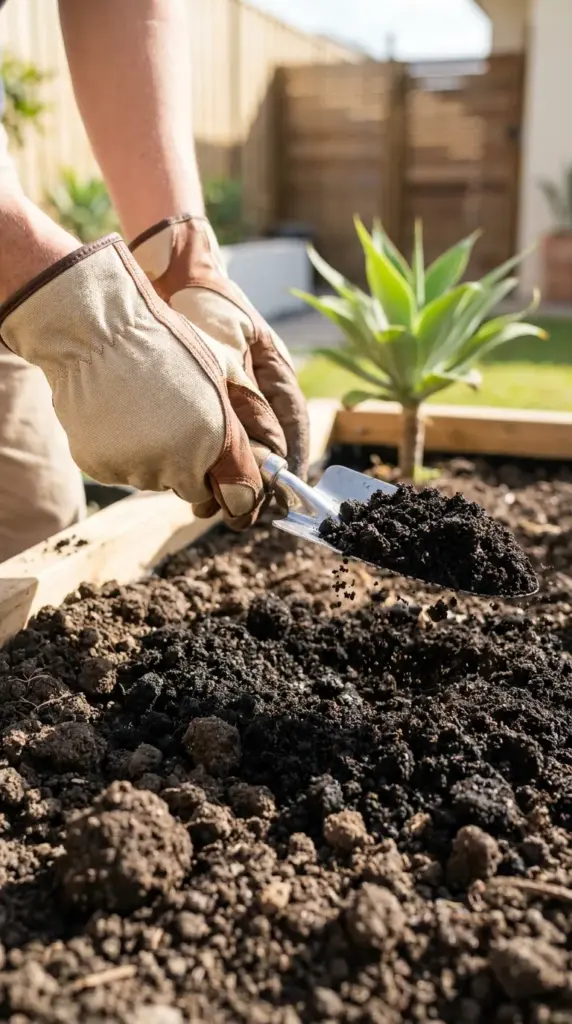
I remember when I tried to overhaul my first front yard on a shoestring budget back in the day. I spent weeks picking out gorgeous, pricey agaves, but I completely ignored the rock-hard clay beneath them because I wanted to save fifty bucks on compost.
Big mistake, guys. Every single one of those beauties rotted from the roots up within a month, and I literally cried over my empty wallet.
The Hidden Danger of Poor Soil Preparation
When you skip checking your soil’s drainage, you are essentially burying your money in a graveyard. Low-water plants absolutely detest wet feet.
If your soil is heavy clay, it traps water during the occasional rainstorm, which rots roots instantly. On the flip side, unamended sandy soil lets water rush right past, leaving plants dehydrated before they can even establish.
The Trap of False Economy Plants
Another major pitfall is buying whatever is on the clearance rack at the big-box store. A lot of those cheap plants aren’t actually native plants or adapted to your specific climate zone.
They might look green and pretty in the store, but they require a ton of artificial babying to survive. Investing a tiny bit more upfront in true drought resistant shrubs will save you hundreds in replacement costs down the road.
Avoiding this dirt-cheap trap is just the first step, but now we get to the super fun part where we actually map out the look. I’ve got some killer secrets on how to zone your yard so it looks like a million bucks without breaking the bank, so drop a ‘Next’ below and let’s start sketching!

GIPHY App Key not set. Please check settings