

 The Home Growns
Low-Water, High-Style: Selecting and Arranging Modern Xeriscape Plants
I once bought a gorgeous specimen from a local nursery and stuffed it in a cramped, damp corner right next to some aggressive mint. Within two months, the poor thing literally turned into a sad pile of mush because I didn’t respect its need for breathing room and dry soil.
Architectural Anchors for Clean Lines
When designing a modern succulent garden, you want to start with dramatic, structural plants that instantly catch the eye.
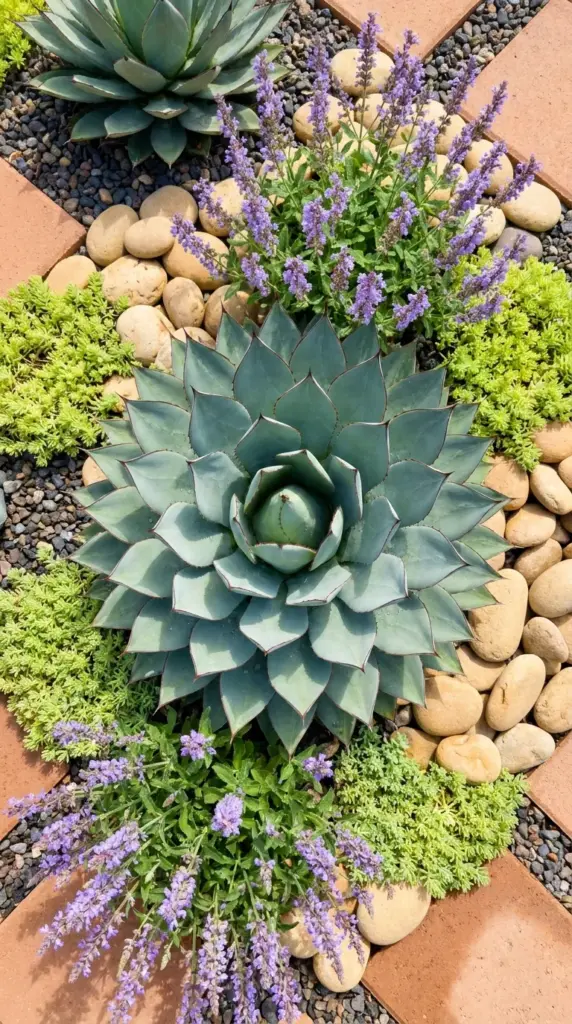
Look for striking agave varieties like the Blue Glow or Whale’s Tongue, which bring incredible geometry and gorgeous blue-green tones to your yard.
Pair them with hardy yucca care favorites or feathery ornamental grasses that dance beautifully whenever an afternoon breeze kicks up.
These larger, sculptural choices establish that coveted modern aesthetic right away, acting as the bold anchors of your entire landscape.
The Odd Number Grouping Trick
To make your DIY project look like a high-end designer handled it, always arrange your smaller drought-tolerant plants in odd numbers.
Grouping things in threes or fives naturally forces the human eye to move around the space rather than staring at a rigid, unnatural line.
Layer in low-growing beauties like sedum ground cover and purple-blooming salvia varieties right around the base of your large agaves.
This brilliant layering technique creates magnificent texture and pops of seasonal color while still keeping your water usage at an absolute minimum.
Now that our gorgeous green stars are securely tucked into their new homes, we need to talk about the ultimate secret weapon that actually keeps them alive through a scorching summer. Go ahead and click that next button because I am sharing my absolute favorite tricks for choosing the perfect contemporary mulch finishes that lock in vital moisture.

GIPHY App Key not set. Please check settings