

 The Home Growns
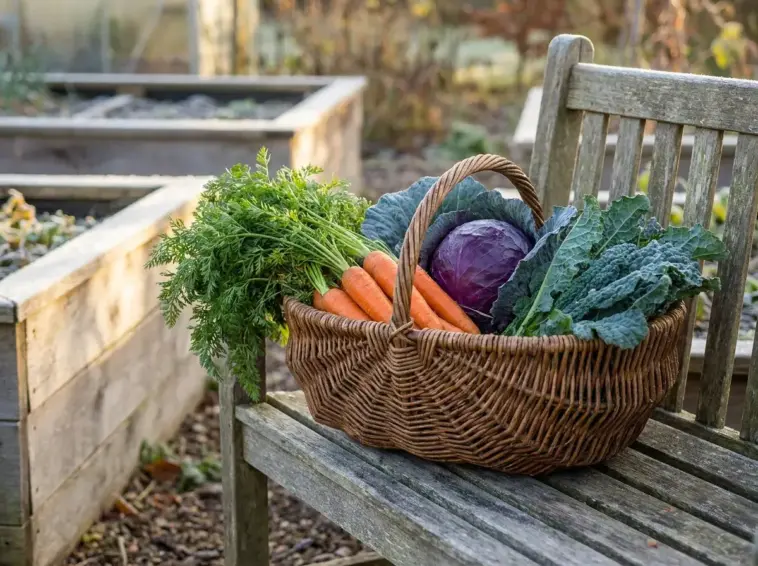
Does your heart sink just a little when the first frost advisory appears on the local weather forecast?
It is perfectly natural to feel a sense of melancholy as summer tomatoes fade and you assume the growing season has come to an abrupt end. After months of tending to your raised beds and patio containers, closing up the garden can feel like saying goodbye to a good friend.
You might find yourself frantically pulling the last green peppers or covering your basil with old bedsheets to squeeze out one more week of life. The autumn garden often feels like a race against the dropping temperatures.
But what if I told you that cold weather is not the enemy of your vegetable garden? In a Zone 7 climate, you are actually perfectly positioned for a robust, beautifully productive second harvest.
For certain cold-tolerant plants, a light frost acts as a magical, natural flavor-enhancer. When temperatures dip, these clever vegetables convert their stored starches into sugars as a survival mechanism, preventing the water in their plant cells from freezing.
Instead of clearing out your garden beds, you can easily grow vegetables that become remarkably sweeter and crisper after a chilly autumn night. We are going to explore 10 resilient, cool-weather crops that thrive in Zone 7 and reward you with incredible flavor as the seasons change.
Just wait until you see how one incredibly common root vegetable transforms so drastically in the cold that you will never want to settle for the grocery store version again.
1. Carrots
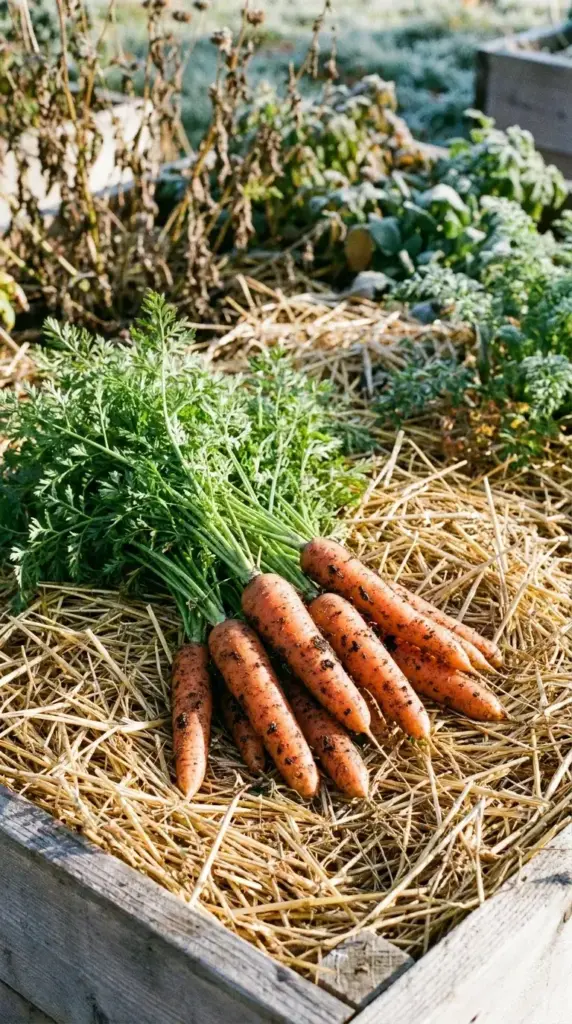
The Surprising Sweetness of a Winter Carrot
It is hard to believe that a simple drop in temperature can so completely alter the flavor profile of a vegetable, but that is exactly what happens with carrots. As the days grow shorter and the crisp autumn air settles in, carrots quietly perform a fascinating trick beneath the soil. To prevent their cells from freezing and bursting during a frost, they rapidly convert their stored, complex starches into simple sugars.
This survival mechanism fundamentally changes the carrot. If you have only ever eaten summer-harvested or standard grocery store carrots, biting into a frost-kissed autumn carrot will feel like an entirely new experience. They lose that slight, earthy bitterness often found in summer crops and develop a brilliant, complex sweetness and an incredibly crisp, snapping texture.
Growing Better Roots Before the Freeze
Carrots are wonderfully resilient, but for the best late-season harvest, they do need a bit of preparation. Because they are growing deep underground, the soil quality is everything. When planting your autumn carrots, ensure your raised beds or deep containers are filled with loose, rock-free soil, which allows the roots to push downward easily without splitting or twisting.
While the tops of the carrots can handle a light frost beautifully, you can extend your harvest well into a Zone 7 winter by adding a thick layer of straw mulch around the base of the green tops. This insulates the soil, keeping the ground workable so you can continue pulling these candy-sweet roots long after the rest of the garden has gone dormant.
The sweetness of a winter carrot is incredible, but there is a leafy green that undergoes a surprisingly similar transformation when the frost hits.
2. Kale
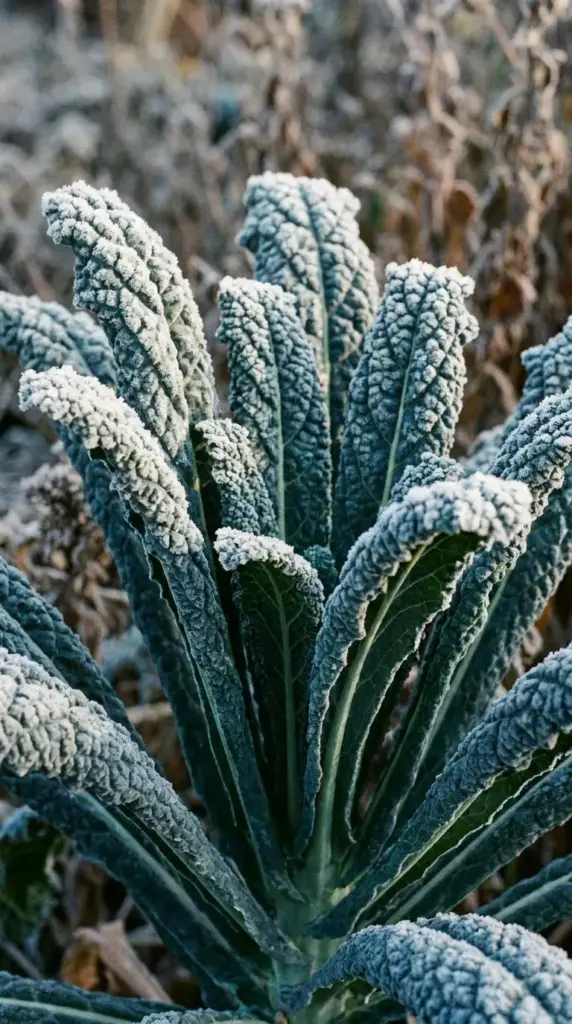
The Frost-Kissed Transformation
Kale has earned a bit of a reputation as a tough, fibrous green that requires aggressive massaging or long cooking times to become palatable. While this is often true of kale harvested in the heat of a Zone 7 summer, autumn kale is an entirely different experience. When exposed to a light, crisp frost, the starches within the leaves convert to sugars, significantly softening the cellular structure.
The result is a dramatic mellowing of its notoriously bitter bite. Instead of a tough summer leaf, you are left with a tender, sweet green that is delicate enough to be eaten raw in a fresh autumn salad, right out of the garden.
A Striking Autumn Visual
Beyond its culinary transformation, kale is also one of the most visually stunning plants you can include in a late-season garden. While other summer vegetables are turning brown and collapsing under the cold, kale varieties like ‘Red Russian’ or ‘Lacinato’ stand tall and vibrant.
The deeply textured, crinkled leaves look absolutely incredible holding a delicate dusting of morning frost. Their rich blue-greens and deep purples provide a striking pop of color against the increasingly muted tones of the autumn landscape, proving that a vegetable garden can be just as beautiful in November as it is in June.
Speaking of tall, architectural plants that hold their own in the cold, there is another vegetable that looks just as impressive in the autumn garden and tastes infinitely better after a freeze.
3. Brussels Sprouts
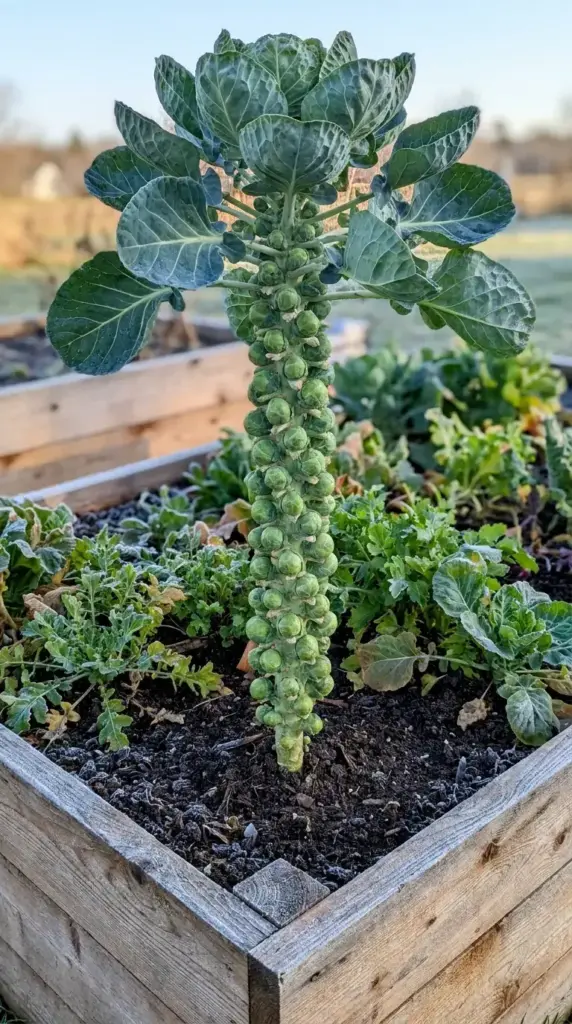
The Secret to Sweeter Stalks
There is perhaps no vegetable more polarizing than the Brussels sprout. For many, a childhood memory of boiling a bitter, sulfurous miniature cabbage is enough to swear them off forever. However, the secret to a truly incredible Brussels sprout—one that is nutty, tender, and almost buttery when roasted—lies entirely in the temperature at which it is harvested.
If you pick Brussels sprouts too early in the season, while the weather is still warm, they will retain that harsh, bitter bite. But if you allow them to remain on the stalk through the first few hard frosts, a magnificent transformation occurs. The bitter compounds diminish, and the starches convert to sugar. The result is a crisp, beautifully sweetened sprout that holds up perfectly to an autumn pan-roasting with a little bacon and balsamic glaze.
Architectural Interest in the Fall Garden
Aside from their remarkable culinary shift, Brussels sprouts are worth growing in a Zone 7 autumn garden simply for their visual impact. While summer crops are being pulled and composted, leaving beds looking somewhat bare, Brussels sprouts stand tall like miniature, leafy palm trees.
The thick, sturdy stalks can grow several feet high, dotted with tight green buds and topped with a crown of broad, blue-green leaves. They bring a fantastic sense of vertical, architectural interest to a fading fall garden. Leaving them in the ground through the frost not only guarantees a better-tasting harvest, but it also ensures your raised beds remain visually engaging well into November.
While Brussels sprouts improve significantly with cold weather, there is another root vegetable that absolutely demands a hard frost to reach its true potential.
4. Parsnips
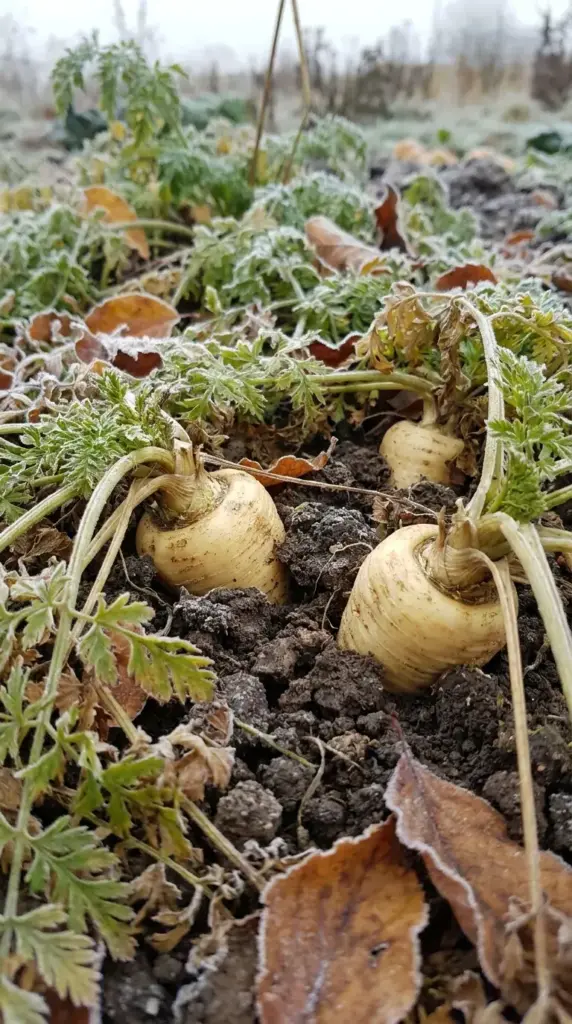
A Root Transformed by the Freeze
At first glance, a parsnip looks like a pale, oversized carrot, but its flavor profile is entirely unique. Unlike carrots, which simply improve with cooler weather, parsnips practically demand a hard frost to reach their true culinary potential.
If you pull a parsnip from the ground in early autumn, before the temperatures have consistently dropped below freezing, you will likely find it bland and starchy. However, the true magic happens when the ground turns cold. The sustained chill triggers a massive conversion of starches into sugars, transforming the humble root into something incredibly sweet. A frost-harvested parsnip develops a rich, complex flavor that is deeply nutty and reminiscent of honey, making it an absolute star in autumn stews and purees.
Quiet Growth in the Winter Garden
One of the most appealing aspects of growing parsnips in a Zone 7 autumn garden is how undemanding they are during the transition between seasons. While you might be busy covering delicate greens or pulling the last of the summer squash, parsnips simply remain underground, quietly improving.
They are the ultimate low-maintenance winter crop. Their feathery green tops may die back as the heavy frosts arrive, but the roots remain perfectly protected beneath the soil surface. You can leave them in the ground and harvest them as needed throughout the winter, provided the soil does not freeze completely solid.
While parsnips remain hidden underground, our next frost-hardy vegetable provides a brilliant, much-needed burst of color above the soil line when everything else is turning brown.
5. Swiss Chard
Mellowing the Earthy Bite
Swiss chard is an absolute powerhouse in the garden, capable of surviving hot summers and thriving well into the cooler autumn months. However, the heat of a long summer often causes the leaves to develop a sharp, intensely earthy bite that some find overpowering. Just like kale, Swiss chard undergoes a wonderful flavor transformation when exposed to a light frost.
The cold temperatures mellow that aggressive earthiness, and the starches in the thick stems and broad leaves begin to convert to simple sugars. The resulting flavor is noticeably sweeter and much milder, making frost-kissed chard a fantastic addition to autumn soups, or even tender enough to be lightly sautéed with just a touch of garlic and olive oil.
Brilliant Pops of Autumn Color
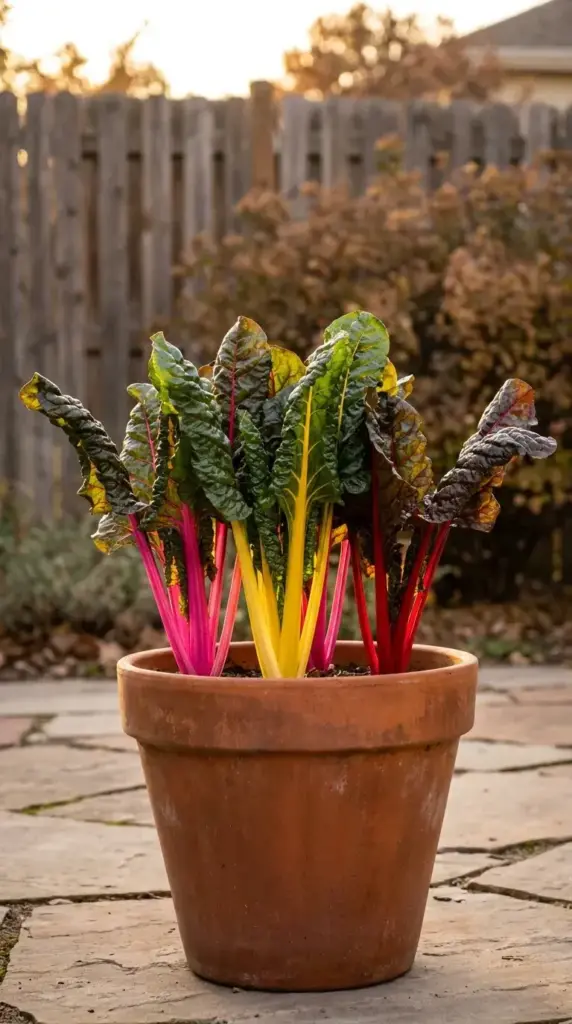
Aside from the improved flavor, Swiss chard is a must-have for any Zone 7 fall garden simply because of its visual impact. As the rest of the landscape begins to fade into muted browns and grays, varieties like ‘Bright Lights’ continue to push up brilliant, almost neon-colored stems.
The striking ruby reds, bright yellows, and deep oranges provide an incredible contrast against the dark green, crinkled leaves. Tucking a few Swiss chard plants into a raised bed or a large patio container instantly elevates the aesthetic of your fall garden, proving that late-season vegetables can rival ornamental plants for sheer beauty.
While Swiss chard provides color above ground, there is a fast-growing root vegetable that completely changes its character once the weather turns cold.
6. Turnips
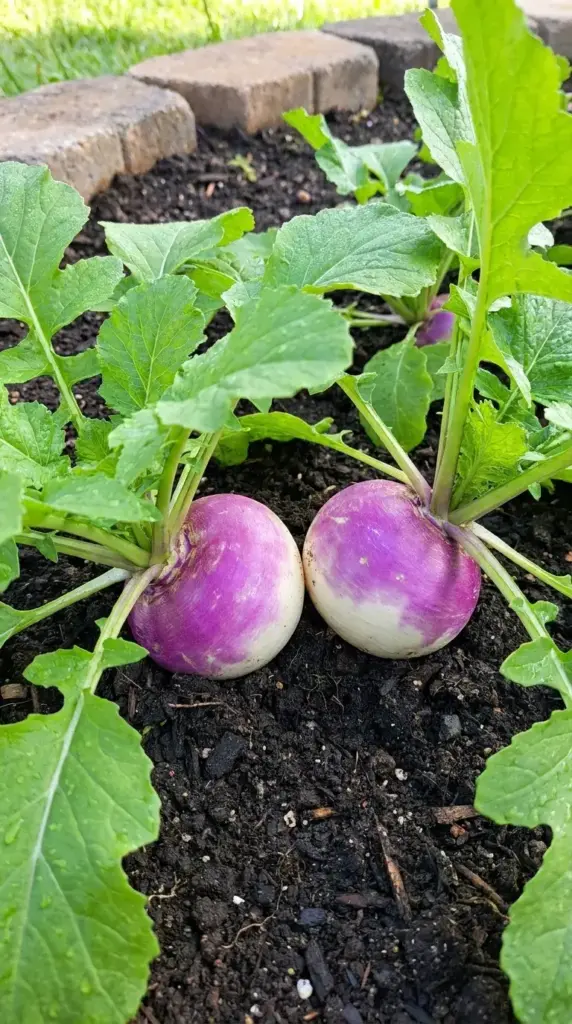
The Shift from Spicy to Sweet
If you have only eaten spring or summer turnips, you might associate them with a sharp, somewhat spicy bite—similar to a pungent radish. This flavor profile can be a bit overwhelming for some, making turnips an overlooked vegetable in many home gardens. However, growing turnips in a Zone 7 autumn garden completely changes their character.
As the weather cools and a light frost settles in, that aggressive, spicy bite diminishes significantly. The plant pulls energy downward into its root, converting starches to sugars. An autumn-harvested turnip is mild, crisp, and surprisingly sweet. It becomes a versatile kitchen staple, perfect for roasting alongside carrots or mashing with a little butter and cream.
A High-Yield Cool Weather Crop
Turnips are an incredibly efficient use of space in a fall garden because they offer a double harvest. Not only do you get the sweet, tender root below ground, but you can also harvest the frost-kissed leafy greens above ground.
Turnip greens are delicious and nutrient-dense, and much like kale or collards, their flavor is vastly improved by a chill. They are also fast growers; you can often harvest the greens just a few weeks after planting, while the roots continue to develop underground. This high yield makes them an excellent choice for maximizing production in small raised beds or deep patio containers as the growing season winds down.
Speaking of incredibly versatile, fast-growing greens that thrive in the cold, our next vegetable is an absolute must-have for a late-season harvest.
7. Spinach
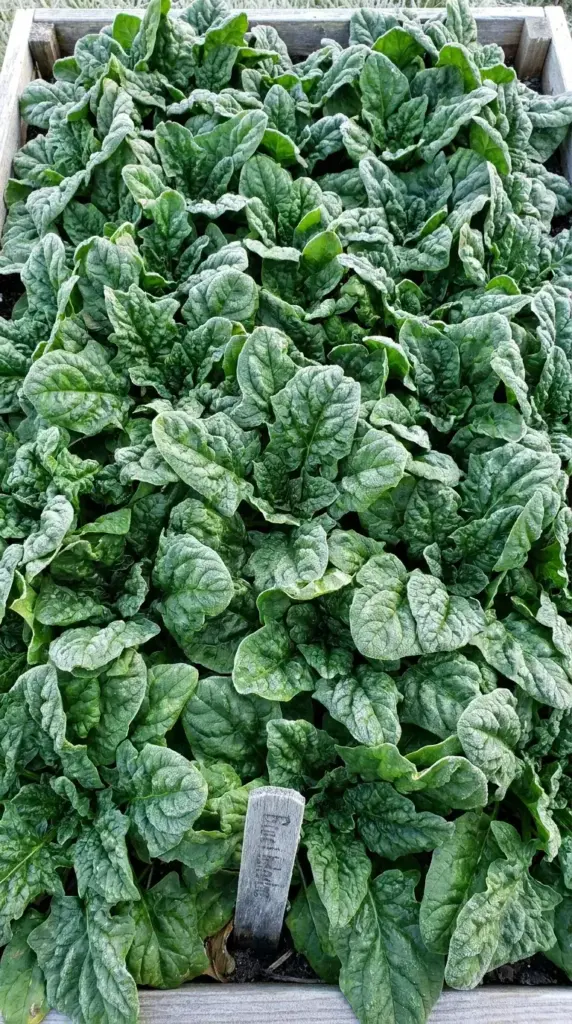
A Sweeter, Thicker Leaf
Spinach is a quintessential cool-weather crop, but many gardeners struggle to grow it successfully during the spring. As the days lengthen and the temperatures rise, spring-planted spinach is notorious for “bolting”—rapidly sending up a flower stalk and turning the leaves thin, papery, and intensely bitter. Planting spinach in the late summer or early autumn completely solves this problem.
As the days grow shorter and the weather cools, autumn spinach has no inclination to bolt. Instead, it focuses all of its energy into producing thick, deeply crinkled, dark green leaves. When the first frost arrives, these robust leaves undergo the familiar starch-to-sugar conversion, resulting in spinach that is incredibly tender and noticeably sweeter than anything you will find in a spring garden or a grocery store clamshell.
Maximizing Your Garden Space
One of the best things about growing fall spinach in a Zone 7 garden is how easily it fits into transitioning spaces. Because the seeds germinate quickly and the plants stay relatively small, you do not need dedicated, empty garden beds to grow an abundant harvest.
As you begin pulling out faded summer crops like determinate tomatoes, tired bush beans, or overgrown pepper plants, you can simply tuck spinach seeds right into the newly opened pockets of soil. This continuous succession planting ensures that you are maximizing every inch of your raised beds, turning a fading summer plot into a highly productive autumn salad garden.
While spinach is excellent for tucking into small spaces, our next leafy green is a true giant of the fall garden, capable of surviving well past the first frost.
8. Collard Greens
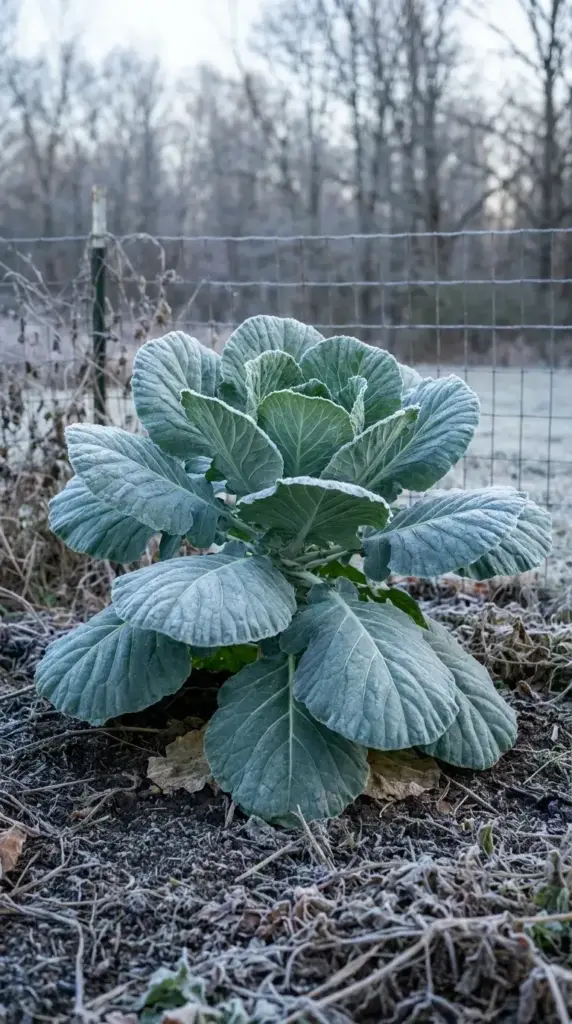
A Deeply Flavored Autumn Staple
Collard greens are often associated with Southern summer gardens, where they tolerate the heat better than most other leafy greens. However, a summer-harvested collard leaf can be quite tough, requiring a long, slow simmer to become tender. When you grow collards in a Zone 7 autumn garden, the plant takes on an entirely different character.
As the first hard frosts arrive, the starches in those thick, fibrous leaves convert to sugars. The result is a dramatically sweeter, more tender leaf that cooks much faster and offers a richer, more complex flavor than its summer counterpart. Frost-kissed collards are deeply satisfying, offering a hearty, earthy sweetness that is perfect for rich autumn stews or a simple sauté with bacon and onions.
Incredible Cold Tolerance
One of the most impressive things about growing collard greens in the fall is their sheer resilience. They are incredibly cold-tolerant, often surviving well into a Zone 7 winter with little to no protection. While delicate summer crops turn to mush after the first freeze, a healthy stand of collard greens will simply hunker down and continue to sweeten.
Their large, blue-green leaves look magnificent holding a heavy morning frost, adding a wonderful visual weight to a raised bed that might otherwise be empty. This hardiness makes them one of the most reliable crops for extending your harvest season, ensuring you have fresh, deeply flavorful greens long after the rest of the garden has gone dormant.
While collards are a staple of the fall garden, there is another leafy vegetable that actually relies on the cold to develop its tightly packed, crisp structure.
9. Cabbage
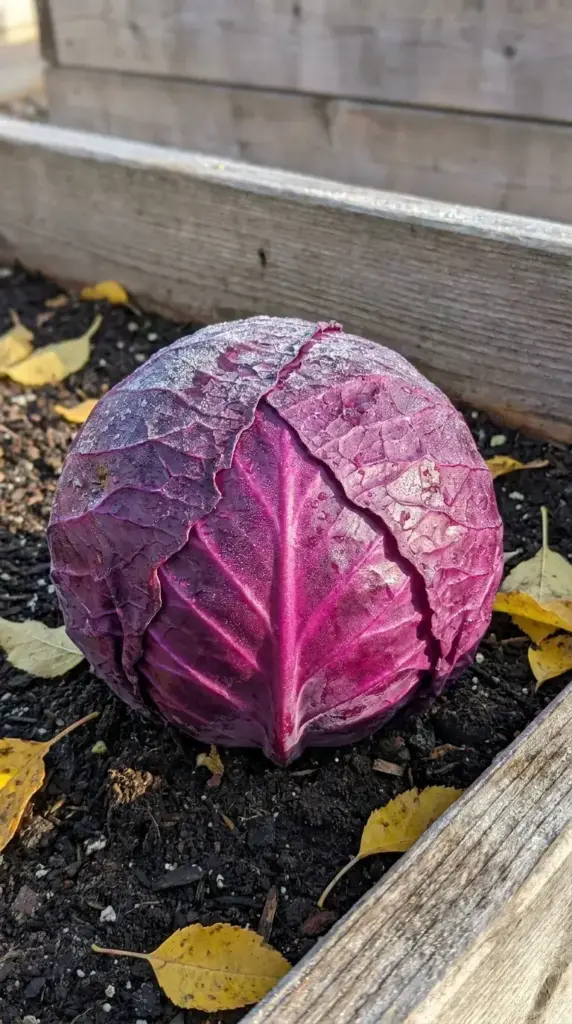
The Transformation of a Garden Classic
Cabbage is often thought of as a sturdy, dependable staple, but it is rarely celebrated for its complex flavor when harvested in the heat of summer. Summer cabbages can sometimes have a slightly sharp or sulfurous undertone, especially when overcooked. However, growing cabbage into the late autumn changes everything.
As the first frosts hit, the cabbage responds by packing its inner leaves more densely together to protect the core. Simultaneously, the starches within those tightly packed leaves begin their conversion to sugar. The resulting frost-kissed cabbage is remarkably crisp, surprisingly sweet, and completely lacks any bitter edge. It becomes the perfect foundation for a vibrant autumn slaw or a deeply savory, slow-braised side dish.
A Striking Centerpiece for the Fall Bed
Beyond its flavor, an autumn-grown cabbage is one of the most beautiful additions you can make to a raised bed or a large patio container. While many other vegetables tend to look a bit ragged as the season winds down, cabbage holds its shape beautifully.
A tight, perfect head of cabbage sitting low to the ground looks almost like a carefully placed garden ornament. The dew catching in the deep, blue-green or rich purple outer leaves early on a frosty morning is a stunning sight. They add a wonderful sense of structure and weight to a garden space that might otherwise feel empty.
While a tight head of cabbage grounds the garden bed, our final vegetable provides an elegant, vertical sweep of color that only improves as the weather turns freezing.
10. Leeks
A Deepened Winter Sweetness
Leeks are often treated as an early autumn harvest, prized for their mild, delicate onion flavor that lacks the sharp bite of a standard white or yellow onion. However, harvesting them before the cold weather sets in means missing out on their true potential. When left in the ground through frosty autumn nights, a leek undergoes a wonderful transformation.
The cold temperatures cause the starches stored in the thick, white base to convert into simple sugars. The resulting flavor is noticeably sweeter and much deeper, offering a rich, almost creamy profile when slowly braised or melted into a winter potato soup. They become a foundational ingredient that feels perfectly suited to cold-weather cooking.
Maximizing Vertical Garden Space
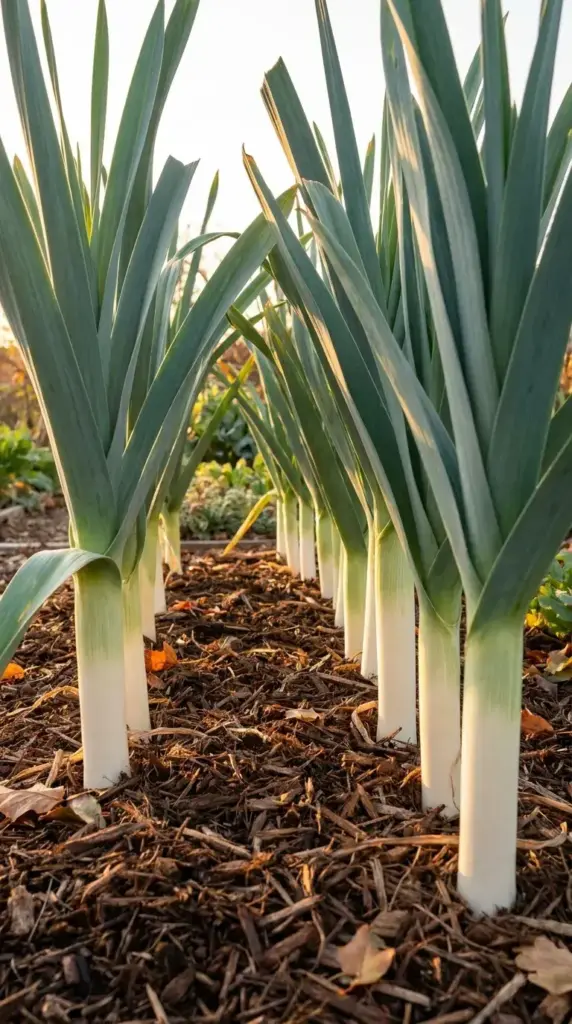
Beyond their incredible flavor, leeks are a brilliant addition to a fall garden simply because of how they grow. Unlike sprawling squash or wide, bushy greens, leeks grow straight up. Their elegant, sculptural blue-green foliage fans out vertically, taking up very little horizontal space.
This makes them an incredibly efficient crop for maximizing production in a crowded fall bed.
You can easily tuck a row of leeks between larger, slower-growing plants like Brussels sprouts or cabbage, ensuring that every inch of your raised bed is utilized.
They add a wonderful, architectural sweep of color that stands strong against the frost, proving that an autumn vegetable garden can be just as thoughtfully designed as a summer flower bed.
Conclusion
The arrival of the first frost does not have to signal the end of your gardening season. Instead, it is a beautiful transition, marking the beginning of the most flavorful and rewarding harvest of the year.
By strategically planting cool-weather crops like sweet carrots, mellowed Swiss chard, or deeply nutty parsnips, you can transform your autumn raised beds into a robust winter pantry. You no longer have to feel the familiar melancholy of watching the summer garden fade. Instead, you can look forward to bundling up, stepping out into the crisp air, and pulling the sweetest, most tender vegetables your garden has ever produced.
The cold weather is not an enemy to fight; it is simply the final ingredient your garden needs to reach its full potential.
Which cold-weather crop are you most excited to try this season? We would love to hear about your fall garden plans in the comments below! Be sure to pin this list to your favorite gardening board so you have it ready when it is time to plan your autumn beds.

GIPHY App Key not set. Please check settings