

 The Home Growns
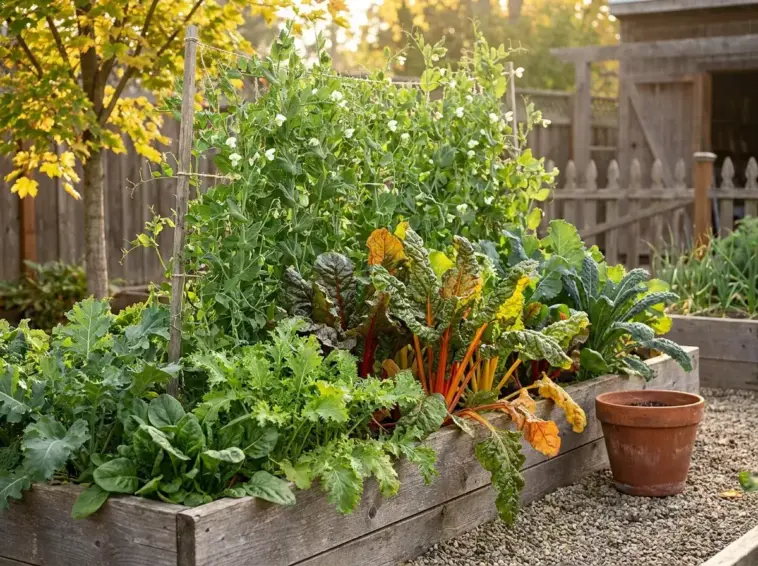
Are you feeling that familiar wave of end-of-summer gardening burnout?
It is completely normal to feel exhausted after fighting relentless heat, thirsty soil, and determined garden pests for months. Just when the weather finally cools down and it actually feels good to be outside, it can seem like the growing season is already slipping away.
You might be standing in your yard right now, pulling up tired, sun-scorched tomato vines and looking down at empty dirt in the crisp autumn air.
But here is a beautiful secret about gardening in this climate: fall isn’t the end of the garden. In Zone 8b, fall is actually the easiest and most rewarding time to grow.
The harsh summer sun softens into a gentle glow, pest pressure drops significantly, and your watering schedule finally gives you a well-deserved break.
Instead of packing away your trowel, I want to show you ten gorgeous, delicious Zone 8b fall garden vegetables that genuinely prefer this mild weather. We are going to look at how to easily turn those empty spaces into a thriving, productive sanctuary that looks just as good as it tastes.
And the best part? A few of the plants we are about to look at actually develop a surprisingly sweet, incredible flavor once they are kissed by a light frost.
1. Grow Crisp Carrots That Sweeten as the Weather Cools
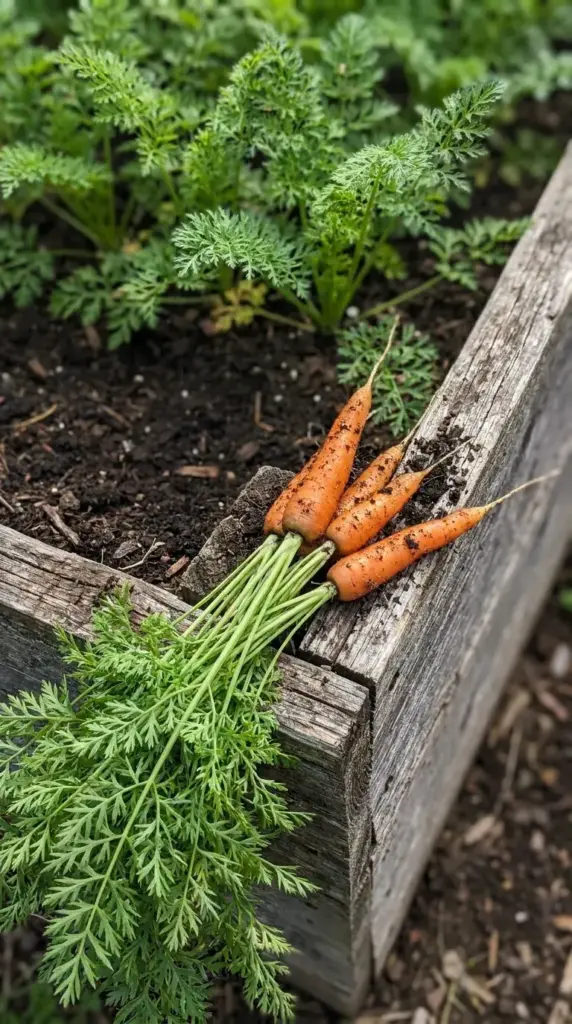
There is a common gardening myth that carrots are meant for early spring planting. But anyone who has tried to pull a decent carrot from heat-stressed, sunbaked July soil knows that summer is rarely kind to these root vegetables. Instead of fighting the heat, try giving them exactly what they want: the cool, mild soil of a Zone 8b autumn.
Why Fall Soil Makes Better Carrots
Carrots thrive when the soil is loose, workable, and free from the threat of sudden summer heat waves that can stunt their growth or turn them bitter. Planting carrot seeds in late summer for a fall harvest allows the roots to develop smoothly as the soil temperature slowly drops. The lack of scorching sun also means the soil retains moisture better, preventing the crusty, dry surface that often stops tiny carrot seedlings from breaking through.
The Secret to Sweeter Autumn Harvests
Beyond being easier to grow, fall carrots simply taste better. As the autumn temperatures begin to dip, the carrot plant naturally converts its stored starches into sugars to protect itself from the cold. This process creates a noticeably sweeter, crisper harvest that spring-planted carrots cannot match. Visually, they are a beautiful addition to raised beds, with their soft, feathery green tops filling in the spaces while the vibrant orange roots grow hidden below the surface.
While carrots offer a hidden harvest beneath those delicate green tops, our next vegetable is a show-stopping structural beauty that deserves to be seen.
2. Plant Deep Green Kale for Ornamental and Edible Appeal
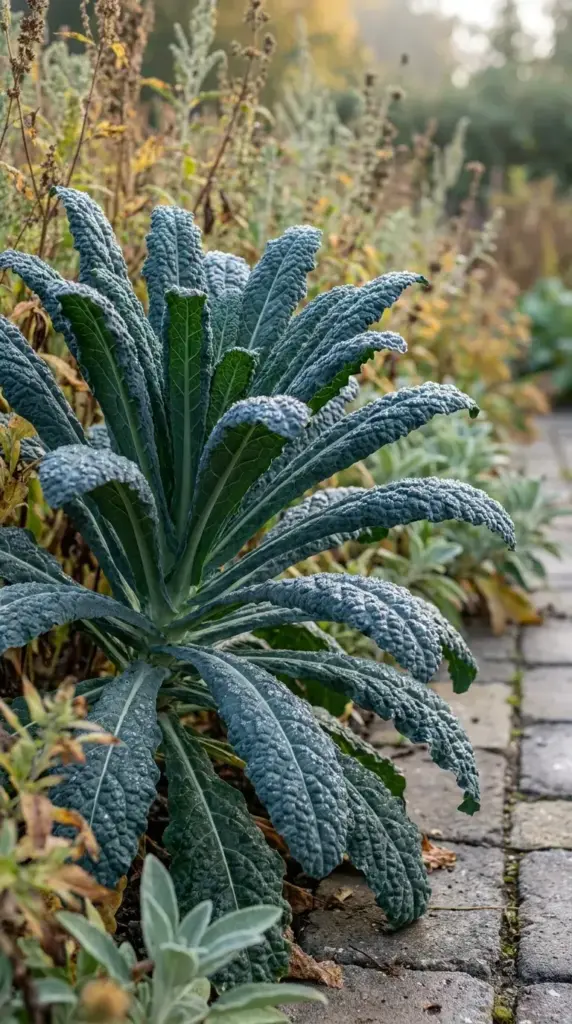
When planning a fall vegetable garden, it is easy to focus purely on the harvest and forget about the overall look of the space. Kale completely changes that dynamic. It is a dual-purpose superstar that adds stunning, textured structure to your garden while providing constant, reliable harvests for months on end.
A Striking Focal Point in Any Garden Bed
Kale isn’t just a tough leafy green; it is genuinely beautiful. Different varieties offer incredible visual interest that can easily rival ornamental plants in an autumn border. The ruffled, crinkled edges of curly kale catch the morning dew perfectly, while the dark, deeply savoyed leaves of Lacinato (often called dinosaur kale) add a prehistoric, architectural quality to raised beds or large patio containers. Planting a row of these deep green, textured plants creates a lush, abundant look that anchors the fall garden long after the summer flowers have faded.
A Low-Maintenance, Frost-Resilient Harvest
Beyond its looks, kale is incredibly practical for Zone 8b. It easily shrugs off light frosts; in fact, its flavor noticeably sweetens after a cold snap. Because you harvest kale by simply snapping off the outer leaves as you need them, the plant continues to grow from the center, maintaining its striking form while giving you fresh greens throughout the season.
If you are drawn to the idea of cut-and-come-again harvesting but want something that pops with a bit more immediate color, you will want to consider our next quick-growing crop.
3. Tuck Peppery Radishes Into Empty Spaces for Quick Wins
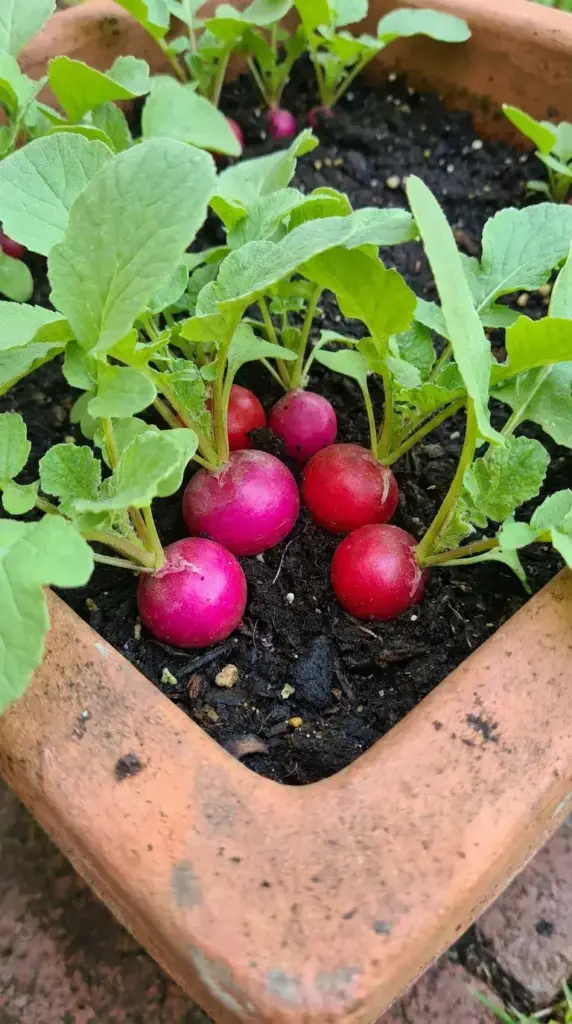
One of the best things about late-season gardening is that you do not need to clear a massive space to get started. By the time autumn arrives, your summer garden is likely filled with small, empty pockets where a zucchini plant finally gave up or a row of beans was pulled. Instead of leaving that soil bare, fall is the perfect time for the ultimate instant-gratification vegetable: the radish.
Maximizing Small Gaps in the Garden
Radishes are brilliant problem solvers for small spaces or container gardens. Because they mature incredibly fast—often in just 25 to 30 days—they are the ideal crop for succession planting. You can literally tuck a few seeds into the empty corners of raised beds or right along the edges of your fading summer vegetables. Their small footprint means they won’t compete heavily for space, allowing you to harvest a quick crop before the first heavy frost settles in.
Crisp Flavor and Jewel-Toned Colors
If your only experience with radishes is the sometimes woody, overly spicy ones sold at the grocery store in mid-summer, growing them in the fall will completely change your mind. When radishes develop in cooler soil, their texture becomes incredibly crisp and their peppery bite softens into a pleasant, mild flavor. Beyond their taste, pulling up those bright red, pink, or even striking purple globes adds a beautiful, jewel-toned pop of color to your harvest basket.
While radishes are the perfect quick filler, our next fall favorite requires a bit more time—but the spectacular results are absolutely worth the wait.
4. Cultivate Broccoli Crowns That Thrive Without Summer Heat
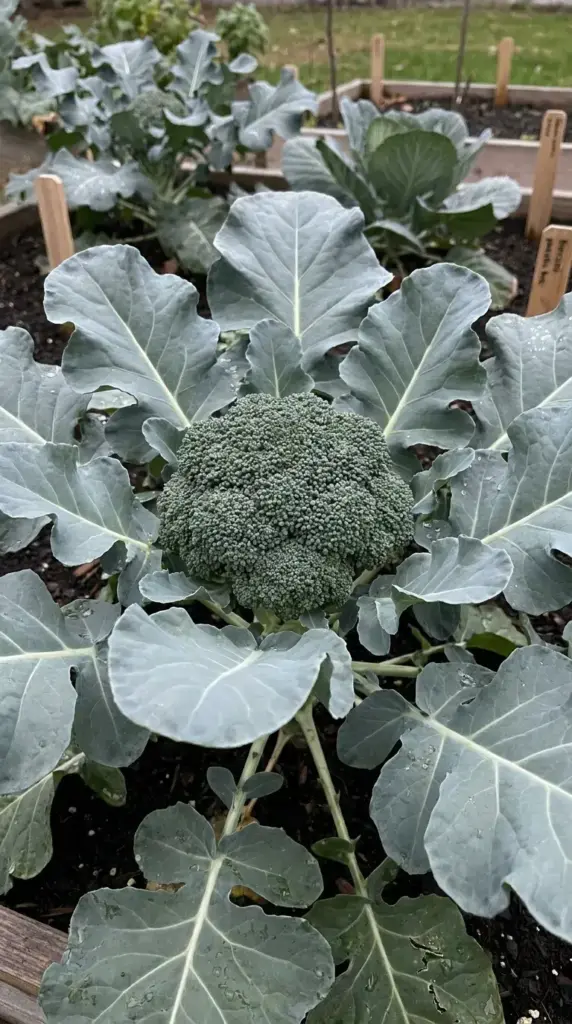
If you have ever tried to grow broccoli in the spring, you likely know the frustration of watching it bolt. A sudden spike in early summer temperatures is all it takes for those tight, beautiful green heads to suddenly explode into yellow flowers, turning the entire harvest bitter. But when you shift your broccoli planting to late summer for a fall harvest, you eliminate that entire struggle.
The Advantage of Dropping Temperatures
Broccoli is a crop that genuinely prefers to mature in cool weather. When planted for a fall harvest in Zone 8b, the steady, cooling temperatures signal the plant to develop large, tight, firm crowns. Because there is no impending heat wave to force the plant into a panic-flowering state, the broccoli can take its time growing into the classic, deeply colored heads you want.
Striking Silvery-Green Architecture
Broccoli plants are surprisingly large and structurally impressive. Their thick stalks and massive, silvery-green leaves create a bold visual anchor in a raised bed or traditional row garden. The broad foliage helps shade the soil around the base of the plant, retaining moisture during the warmer early days of autumn while giving the garden a lush, abundant look.
While broccoli provides a substantial, heavy harvest, sometimes you need a reliable green that you can simply clip for tonight’s dinner and return to next week.
5. Layer Cut-and-Come-Again Spinach for Continuous Harvests
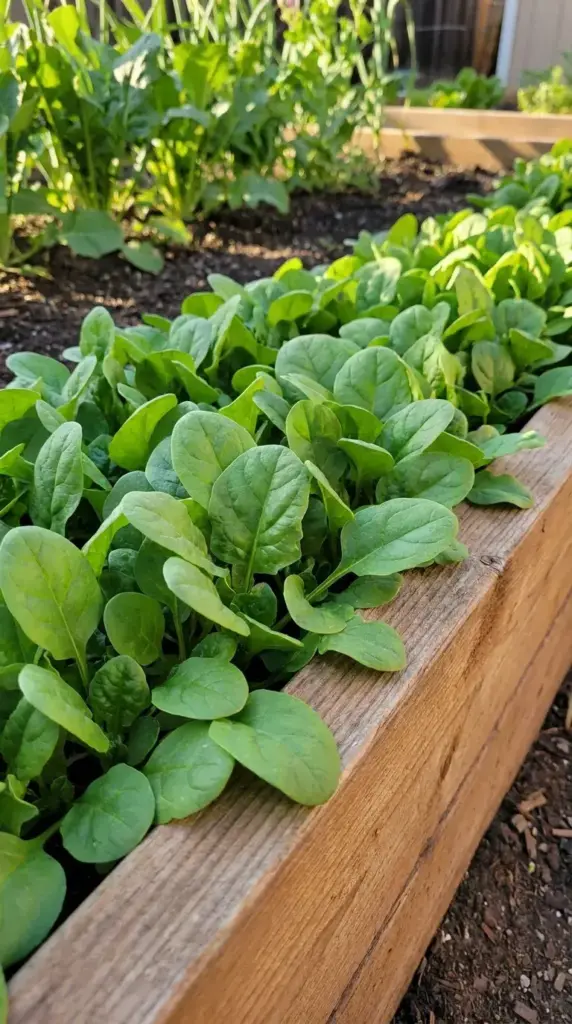
When spring spinach bolts—sending up a tall stalk and turning incredibly bitter—it is usually because the days are getting longer and the soil is heating up. Fall planting completely reverses this process. As the days shorten and the soil cools down, spinach settles in, creating a dense, lush carpet of greens that can be harvested repeatedly throughout the season.
The Cut-and-Come-Again Harvesting Method
Spinach is the perfect crop for gardeners who love a continuous harvest. Instead of pulling up the entire plant, you simply snip the outer leaves when they reach your preferred size, leaving the inner core to continue growing. In the mild conditions of a Zone 8b autumn, a single planting of spinach can provide fresh greens for salads and cooking for months. The cooler the weather gets, the sweeter the leaves become, as the plant holds onto its sugars rather than converting them for rapid growth.
Softening the Edges of Your Garden Design
Beyond being highly productive, spinach is a beautiful, low-growing plant that works incredibly well as a living mulch or border. Its vibrant green, rounded leaves soften the hard, geometric edges of wooden raised beds or large patio planters. You can easily tuck a row of spinach along the front of a vegetable bed, creating a lush green frame that keeps the soil cool while maximizing every inch of your growing space.
If you love the idea of a continuous harvest but want something that adds a dramatic splash of color to those green borders, this next fall vegetable is a must-have.
6. Sow Earthy Beets for Both Vibrant Greens and Sweet Roots
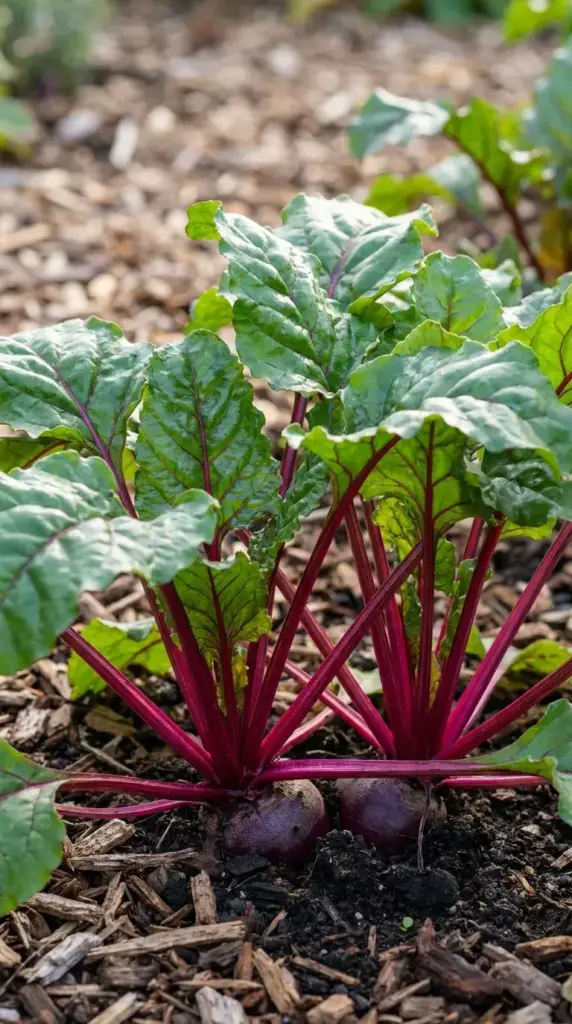
When space is at a premium in the fall garden, you want to focus on plants that pull double duty. Beets are one of the most efficient, rewarding crops you can grow in Zone 8b because they are a true two-for-one plant: you get beautiful, edible tops while the sweet, hearty roots develop below ground.
A Striking Contrast in the Autumn Garden
Beets bring an incredible burst of color to an edible landscape. Their vivid magenta stems and deep, glossy green leaves create a striking visual contrast against the softer, muted colors of a fading autumn garden. Instead of hiding them in a traditional vegetable row, beets look fantastic planted along the front edges of a garden border or tucked into large decorative containers where their striking foliage can be fully appreciated.
Resilient and Sweet Cool-Weather Roots
While the greens add immediate beauty, the roots are quietly benefiting from the cooling soil. Just like carrots, beets respond to dropping autumn temperatures by concentrating their natural sugars, resulting in a much sweeter, more tender harvest than you would ever get during the spring or summer. They are surprisingly rugged, easily handling light frosts while maintaining that sweet, earthy flavor that makes them perfect for fall roasting.
If you are drawn to those vibrant, stained-glass colors but want a leafy green that simply will not quit growing, you need to save a spot for our next beautiful vegetable.
7. Add Rainbow Swiss Chard for a Burst of Fall Garden Color
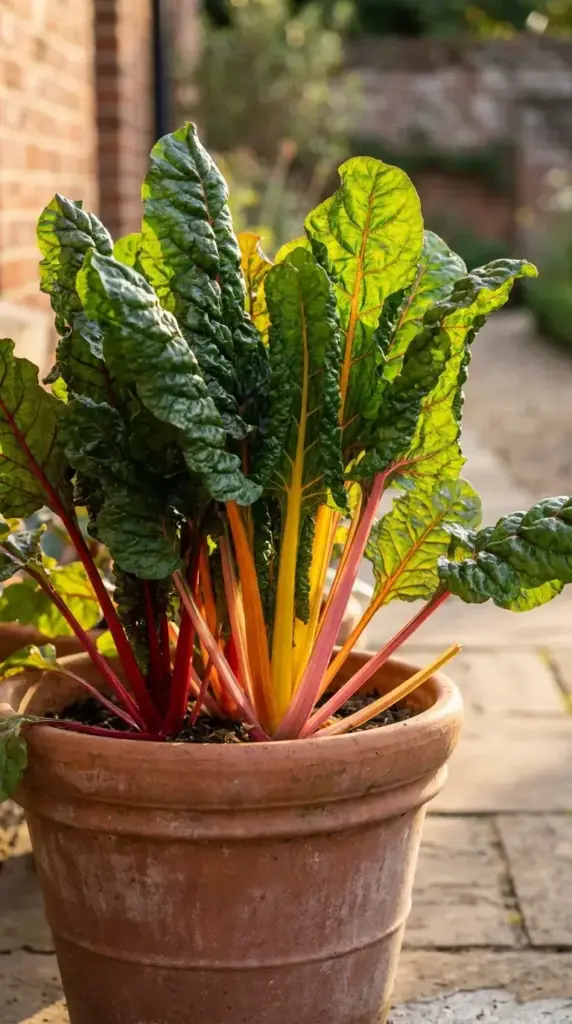
When summer flowers fade, it is easy to assume the bright, vibrant colors are gone for the rest of the year. Rainbow Swiss chard proves that idea completely wrong. It is the perfect choice for anyone who wants their edible garden to look just as beautiful and intentional as a traditional flower bed.
The Stained-Glass Window of the Autumn Garden
The visual impact of rainbow chard in a fall setting is genuinely stunning. As the softer, golden-hour sunlight of autumn hits the garden, those striking red, yellow, orange, and bright pink stems practically glow against their deeply crinkled, dark green leaves. Planting a thick row of chard along a pathway or clustering them in a large terracotta pot creates an immediate, vibrant focal point that anchors your design.
A Rugged, Cut-and-Come-Again Green
Beyond its incredible aesthetic appeal, Swiss chard is a highly productive, low-maintenance workhorse. It is remarkably rugged for a leafy green, easily withstanding mild temperature dips while maintaining its upright, showy form without wilting. Because it is a cut-and-come-again crop, you can simply snip the outer leaves for a warm autumn soup while the center continues to push out fresh, colorful growth all season long.
While Swiss chard offers a stunning pop of color near the ground, sometimes your fall garden needs a dramatic, towering centerpiece to really bring the visual design together.
8. Grow Towering Brussels Sprouts That Look Striking All Season
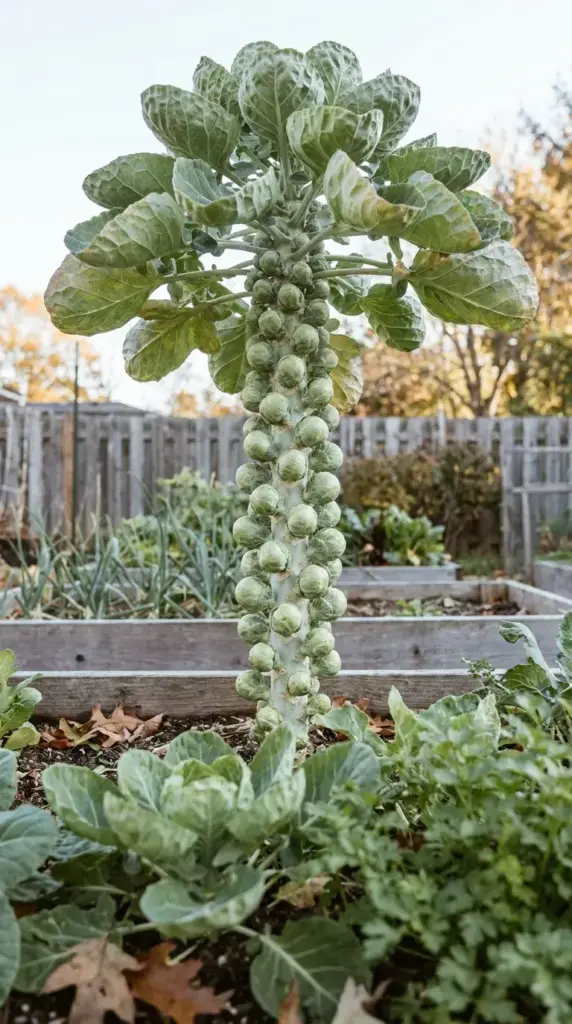
When most people think of growing vegetables, they picture low-growing plants or sprawling vines. Brussels sprouts completely break that mold. They are the dramatic, structural centerpieces of a fall vegetable bed, offering incredible height and a truly unique growing habit that always catches the eye.
Dramatic Height and Visual Architecture
Brussels sprouts are one of the most structurally impressive plants you can add to an edible landscape. They grow like miniature, prehistoric palm trees, with a thick, towering central stalk topped by a broad canopy of large, silvery-green leaves. As the plant matures, the tiny, tightly wrapped “cabbages” begin to form in a spiraling pattern up the entire length of the stem. Planting a row of Brussels sprouts at the back of a raised bed creates instant architecture and draws the eye upward, making the entire garden feel larger and more dynamic.
The Perfect Window for Slow-Growing Beauty
The real secret to incredible Brussels sprouts is patience and cool weather. They are notoriously slow growers, which makes them incredibly frustrating to plant in the spring when summer heat forces them to mature too quickly, resulting in loose, bitter sprouts. However, a long, mild Zone 8b autumn is the absolute perfect window for this crop. The steady drop in temperature allows the sprouts to form tightly and develop an incredibly sweet, nutty flavor that is vastly superior to anything you will find in a grocery store.
While Brussels sprouts create a striking vertical element on their own, our next fall favorite requires a little support to reach its full, beautiful potential.
9. Trellis Sugar Snap Peas for a Vertical Autumn Harvest
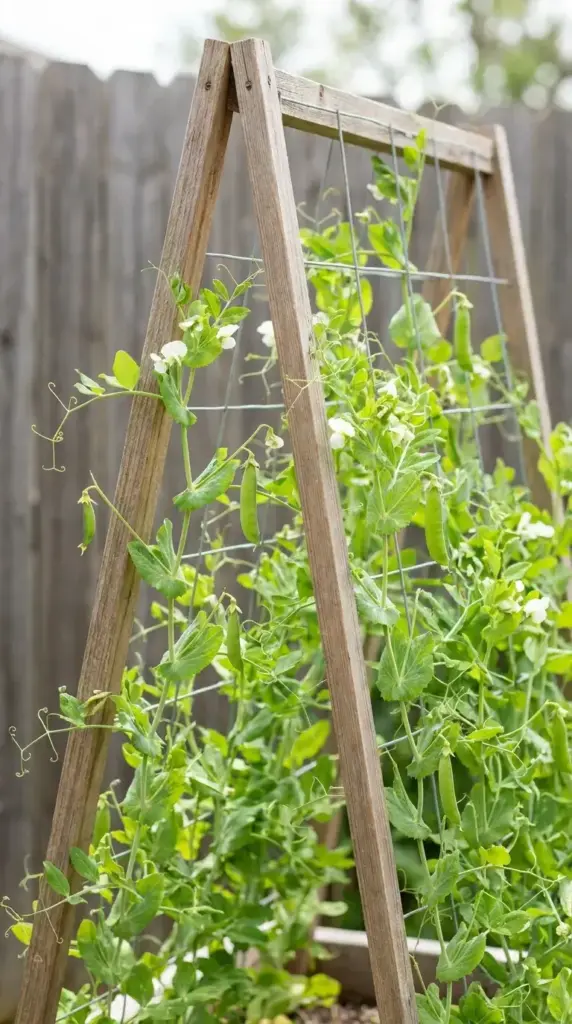
If you are dealing with a smaller garden layout or simply want to add some height without taking up much ground space, sugar snap peas are the perfect solution. Growing these climbers in the fall allows you to fully utilize the vertical space in your yard while delivering one of the most snackable harvests of the entire season.
Utilizing Vertical Space in Small Gardens
Trellising sugar snap peas is an incredibly efficient way to garden. Because they are natural climbers, you can easily train them up a simple A-frame trellis, a decorative garden obelisk, or even a section of wire fencing. Their delicate, curling tendrils wrap securely around almost any support, creating a living green wall that frees up the soil below for low-growing crops like spinach or radishes.
A Beautiful Vine With a Sweet Harvest
Beyond being a smart use of space, sugar snap peas are genuinely lovely to look at. Their vines cascade beautifully, and they produce delicate, pretty white blossoms that make them look just as appealing as ornamental climbers. When grown in a cool Zone 8b autumn, the pods develop a crisp, sweet flavor that is hard to resist eating straight off the vine.
While climbing peas are the perfect vertical snack, our final fall favorite completely changes how you will look at root vegetables.
10. Plant Fast-Growing Turnips for Lush Foliage and Crisp Roots
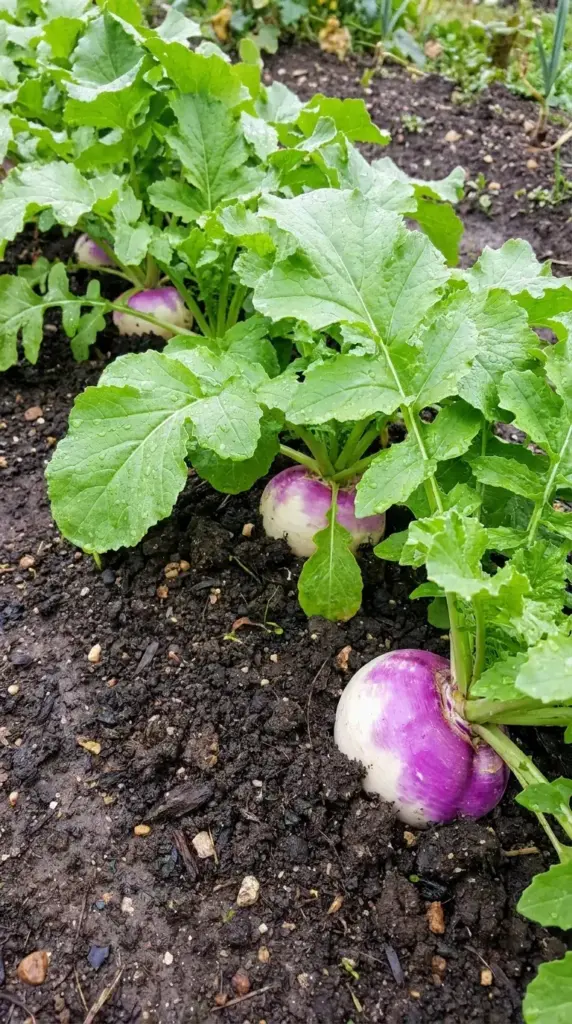
Turnips often get a bad reputation in the gardening world. Many people associate them with large, woody, slightly bitter roots that sit neglected in the back of the refrigerator. But if you have only ever tried spring-planted turnips, you are missing out on one of the most elegant, dual-purpose additions to a late-season garden.
A Beautiful Canopy of Edible Greens
In the garden, a row of healthy turnips is genuinely beautiful. They push up a thick, lush canopy of bright green, slightly textured leaves that look fantastic contrasting against the darker greens of kale or broccoli. This foliage isn’t just for show—turnip greens are a beloved, highly nutritious staple that can be harvested and cooked while the root continues to develop below the surface. They add a soft, full-bodied look to the front of garden beds, easily filling in the gaps left by summer crops.
Crisp, Apple-Like Texture and Sweet Flavor
When you plant turnips in the cool autumn soil of Zone 8b, the root development completely changes. Instead of becoming woody and bitter as they fight the incoming summer heat, fall turnips grow quickly and smoothly.
The bright white and purple roots push up just above the soil line, and when harvested small, their texture is incredibly crisp—almost like a mild, earthy apple.
This fast-growing vegetable transforms an empty garden patch into a beautiful, highly productive space in a matter of weeks.
Conclusion
As the harsh summer sun fades and the evening air turns crisp, your Zone 8b garden does not have to go to sleep. Instead of viewing autumn as the end of the gardening year, looking at these resilient, beautiful plants proves that your easiest and most rewarding growing season is actually just beginning.
You can easily transform those tired, empty post-summer garden beds into a thriving, lush sanctuary that produces incredible food right up until the deepest part of winter.
You don’t need to completely redesign your yard or fill every single raised bed to enjoy a fall harvest. The best way to start is by simply picking two or three of these cool-weather vegetables that catch your eye.
Whether you tuck some jewel-toned radishes into an empty corner, plant a striking border of rainbow Swiss chard, or wait patiently for your fall carrots to sweeten after a frost, you will be amazed at how much more enjoyable gardening feels when you work with the weather instead of fighting it.
I would love to hear what you are adding to your yard this season! Drop a comment below and let me know which of these fall vegetables you plan to try. If you found these ideas helpful, be sure to share this article with a gardening friend or pin it to your favorite Pinterest garden board for inspiration later.


GIPHY App Key not set. Please check settings