

 The Home Growns
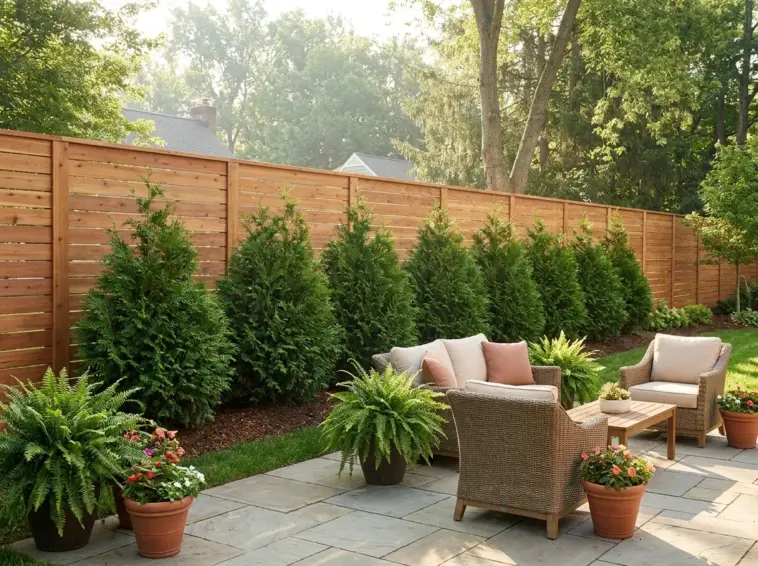
Did you know that planting the fastest plant for privacy you can find is actually the quickest way to accidentally destroy your own foundation?
Today, we are going to break down exactly which aggressive plants cause massive damage, how their roots take over your plumbing, and what the smartest alternatives are.
We will also look at my absolute favorite garden designer trick: pairing a beautiful fence with slower, stable greenery to build the ultimate backyard sanctuary.
The biggest landscaping myth out there is that a faster-growing plant is always the better choice when you want to block out the neighbors, but it’s actually a total nightmare trap.
The real secret to creating a lush, long-lasting private oasis is surprisingly counterintuitive, and it relies on a completely different strategy than just grabbing the biggest pot at the nursery.
I promise this post will give you the exact, simple answers on what to plant right now to get that gorgeous privacy easily and without all the extra fluff.
The “Faster is Better” Myth Exposed
A few years ago, a neighbor’s giant, rusty RV was parked perfectly in the sightline of my favorite patio chair.
I completely panicked and bought the absolute fastest-growing privacy plant the garden center had in stock.
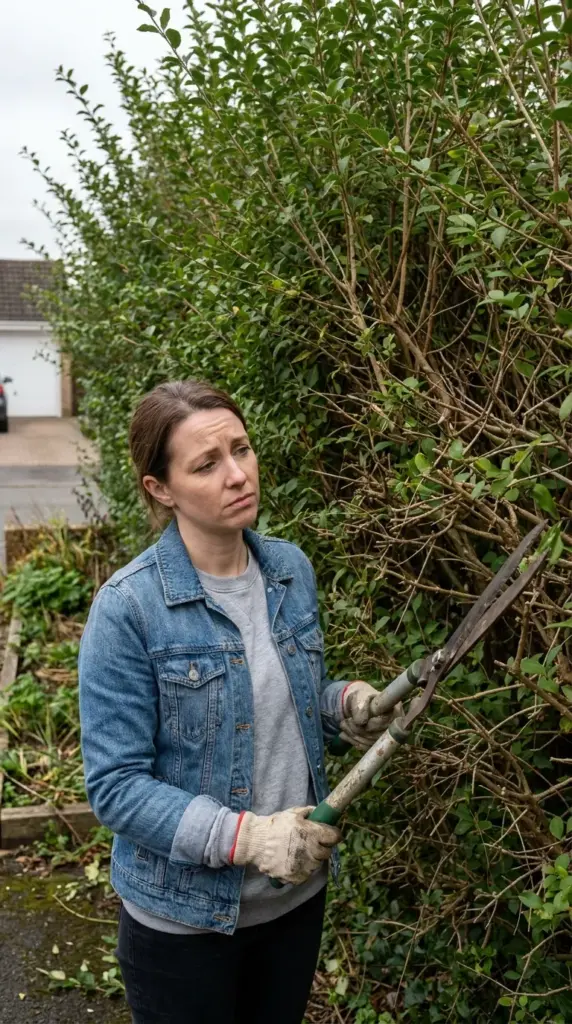
It felt like a huge win for about six months, right until that monster plant started swallowing my gutters and demanding weekly, exhausting haircuts.
That was my harsh introduction to the hard truth that grabbing the fastest plant for privacy almost always ends in serious landscaping regrets.
The Two-Year Trade-Off
When you want to block out the neighbors yesterday, the urge to buy something that shoots up three feet a year is incredibly strong.
But here is the unfortunate biological reality: rapid growth almost always equals incredibly weak wood.
According to arborists and plant experts, fast growing privacy trees that add more than 24 inches a year have significantly lower wood density overall.
That means they are highly prone to snapping in storms, dropping brittle branches, and trapping you in a frantic, non-stop maintenance cycle.
Shifting Your Garden Mindset
If you are planning to stay in your house for more than a couple of years, you absolutely have to ditch the instant gratification trap.
A natural privacy screen is a living part of your home’s architecture, not just a quick weekend band-aid.
Slower-growing plants invest their energy into building strong, stable root systems rather than just shooting up flimsy green tops that eventually blow over.
You deserve a peaceful backyard sanctuary, not a relentless weekend chore that leaves you exhausted, frustrated, and covered in sticky sap.
And trust me, the exact plants you think will save you are usually the ones that cause the most expensive property damage, so hit the next button below because I’m going to expose the ultimate nightmare makers you should never, ever plant.

GIPHY App Key not set. Please check settings