

 The Home Growns
Raised Garden Bed Design Ideas to Beautify Your Outdoor Space
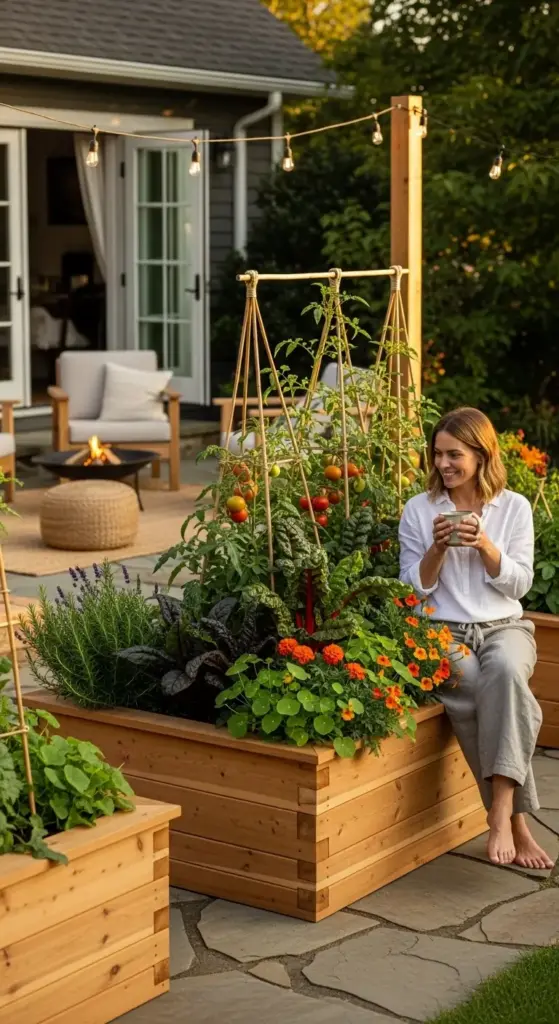
I used to think garden design was something you worried about after you figured out how to actually grow things.
Like, first you learn to garden, then you make it pretty. That was my logic.
But here’s what I’ve learned after years of doing this: the design of your garden space directly affects how much you use it. A beautiful, intentional garden pulls you outside. It makes you want to tend it, sit near it, show it off. A utilitarian box of dirt in the corner of your yard? Not so much.
Your raised bed garden can be one of the most stunning features of your entire home — front yard, backyard, patio, or balcony. Let’s talk about how to make that happen.
Popular Layout Styles — Finding the Right Shape for Your Space
The shape of your raised bed setup does more than just determine how much you can grow.
It defines the entire visual structure of your outdoor space.
Single Rectangle
This is the classic — a single 4×8 or 4×12 foot rectangular bed — and there’s a reason it’s the most popular layout in the world.
It’s simple, clean, and works in almost any space. A single well-built rectangular bed, properly placed and styled, can look incredibly intentional and polished.
For beginners, this is always where I recommend starting. Get comfortable with one bed before expanding.
L-Shape
Two rectangular beds arranged in an L-shape create something really interesting — a defined corner space that feels almost like an outdoor room.
This layout works beautifully in backyard corners, along two intersecting fence lines, or on larger patios. The interior corner of the L naturally becomes a cozy focal point — perfect for a small seating area, a decorative planter, or a birdbath.
Tiered Beds
Tiered raised beds — where beds are stacked at different heights in a stepped formation — are genuinely one of the most visually dramatic options available.
They work especially well on sloped yards, where they also serve a practical erosion-control function. But even on flat ground, a two or three-tier setup creates beautiful visual depth and dimension.
Tiered beds also let you customize soil depth by tier — deeper beds for root vegetables at the bottom, shallower beds for herbs and flowers at the top.
Keyhole Design
The keyhole garden is a circular bed with a narrow pathway cut into one side — like a keyhole shape when viewed from above.
The genius of this design is accessibility. You can reach every part of the bed from the central pathway without ever stepping into the soil. It’s also incredibly space-efficient, packing a lot of growing area into a relatively compact footprint.
Keyhole gardens have a distinctly organic, intentional look that photographs beautifully. They’re especially popular in cottage and bohemian garden aesthetics.
Modular Designs
Modular raised beds are essentially mix-and-match systems — individual bed units that can be arranged, rearranged, and expanded over time.
Several companies make excellent modular systems — Vego Garden and Birdies both offer galvanized metal modular beds that can be configured in dozens of different layouts. They’re perfect for gardeners who want flexibility as their space and ambitions grow.
How to Incorporate Raised Beds Into a Cohesive Backyard Design
A raised bed that looks like an afterthought is a missed opportunity.
The goal is for your garden to feel like it was always meant to be there — a deliberate, designed element of your outdoor space rather than something you just plopped down one weekend.
Here are the principles I come back to every time.
Align with existing lines. Position your beds parallel or perpendicular to your fence, house, or patio edge. This simple step immediately makes everything look more intentional. Beds placed at odd angles to everything else always look a little off, even if you can’t immediately identify why.
Create pathways between beds. If you have multiple raised beds, the space between them matters just as much as the beds themselves. Gravel pathways, stepping stones, or mulched paths between beds create structure and make the whole garden feel designed. A 3-foot-wide pathway between beds is the practical minimum — wide enough to walk through comfortably with a wheelbarrow.
Frame your beds with borders. Low-growing plants, decorative edging, or even a simple border of river rocks around the base of your raised beds grounds them visually and connects them to the surrounding landscape.
Think about sightlines. Where do you look when you’re sitting on your patio or standing at your kitchen window? That’s where your most beautiful bed should be. Design your garden for the views you actually have, not just for aerial photos.
Color, Texture, and Material Combinations That Complement Your Home
This is where gardening and interior design genuinely overlap, and I find it endlessly fun to think about.


Your raised beds are essentially outdoor furniture — they should coordinate with your home’s aesthetic the same way you’d coordinate furniture inside.
For warm, earthy home exteriors — think brick, terracotta, warm wood tones — cedar raised beds with a natural or lightly oiled finish are a perfect match. Add terracotta pots nearby, warm-toned gravel pathways, and plants with bronze or burgundy foliage like purple basil or dark-leafed dahlias to pull the palette together.
For white, gray, or cool-toned modern homes, galvanized metal beds are a natural fit. Their cool, industrial finish complements contemporary architecture beautifully. Pair with white gravel pathways, clean-lined trellises in black metal, and a restrained plant palette — lots of green with occasional white flowers like white cosmos or shasta daisies.
For painted or colorful home exteriors, consider painting wooden raised beds in a coordinating or complementary color. A deep navy or forest green raised bed against a white fence is genuinely stunning. Chalk-finish exterior paint gives wood beds a beautiful matte look that photographs incredibly well.
Texture mixing adds visual richness. A cedar wood bed next to a galvanized metal planter next to a terracotta pot creates layered texture that feels curated rather than matchy-matchy. Don’t be afraid to mix materials — just keep your color palette cohesive.
Vertical Gardening Add-Ons That Transform Your Raised Bed
Going vertical is one of the smartest things you can do in a raised bed garden — both practically and aesthetically.
A raised bed with a beautiful trellis or arch attached to it immediately becomes a feature rather than just a planting box.
Trellises are the most versatile vertical add-on. A simple A-frame trellis placed in the center of your bed creates a climbing structure for beans, cucumbers, or peas while adding beautiful vertical height to your garden design. Cattle panel arches — made from inexpensive livestock fencing bent into an arch shape — are incredibly popular right now and create a dramatic, tunnel-like effect when covered in climbing plants.
A cattle panel arch covered in climbing roses or morning glories is one of the most Pinterest-worthy garden features you can create for under $50.
Obelisks and teepee structures made from bamboo poles or copper pipe add a sculptural, decorative element to raised beds even before plants start climbing them. They look intentional and elegant in a way that flat trellises sometimes don’t.
Wall-mounted vertical planters attached to a fence behind your raised bed essentially double your growing space while creating a lush, layered green wall effect. Strawberries, herbs, and trailing nasturtiums all work beautifully in vertical wall planters.
For climbing plants, the best performers in raised bed settings are:
- Pole beans — fast, productive, beautiful
- Cucumbers — love climbing, easier to harvest vertically
- Sweet peas — stunning flowers, incredible fragrance
- Climbing roses — long-term investment, spectacular results
- Scarlet runner beans — edible and ornamental with bright red flowers
Pinterest-Worthy Design Ideas for the Home Decor Enthusiast
Let’s be real — a lot of us find gardening inspiration on Pinterest and Instagram before we ever pick up a trowel.
And there are some design trends in the raised bed world right now that are genuinely beautiful and very achievable for a DIYer.
The Cottage Garden Raised Bed is having a major moment. Think overflowing, slightly wild-looking beds filled with a mix of vegetables, herbs, and flowers — lavender, roses, foxglove, and kale all growing together in beautiful, intentional chaos. The key is planting densely and letting things spill over the edges slightly. It looks effortless but it’s actually very planned.
The Kitchen Garden (Potager) Style is a more structured, formal approach — symmetrical beds, clipped herb borders, and a clear geometric layout. It’s inspired by traditional French kitchen gardens and looks absolutely stunning in person. If you love clean lines and organized spaces, this aesthetic will speak to you.
The Boho Garden leans into natural materials, macramé plant hangers, mismatched terracotta pots, and wildflower-filled raised beds. It’s relaxed, colorful, and incredibly photogenic. Sunflowers, zinnias, and cosmos mixed in with vegetables create that effortlessly beautiful look.
The Modern Farmhouse Garden combines galvanized metal beds with white-painted wood accents, simple black metal trellises, and a restrained plant palette of greens and whites. It’s clean, fresh, and works beautifully with the farmhouse aesthetic that’s been dominating home decor for years.
For any of these styles, consistency in materials and color is what separates a designed garden from a random collection of plants. Pick a style, commit to it, and repeat the same materials and colors throughout your space.
Small-Space Solutions for Urban Gardeners in NYC and Philadelphia
Living in a city doesn’t mean giving up on a beautiful garden. It just means getting creative.
Some of the most stunning raised bed gardens I’ve ever seen were on Brooklyn rooftops and Philadelphia row house patios.
For small patios and courtyards, a single 2×4 foot raised bed paired with a wall-mounted vertical planter and a few large decorative pots can create a surprisingly lush, layered garden in a very small footprint. The key is going vertical — use every inch of wall and fence space available to you.
For apartment balconies, lightweight composite or fabric raised beds are your best option — they’re significantly lighter than wood or metal, which matters enormously when you’re dealing with weight limits. Fabric grow bags in the 15 to 30 gallon range are an excellent alternative to traditional raised beds for balcony gardeners — they’re portable, affordable, and surprisingly productive.
Window boxes mounted on balcony railings add growing space without using any floor area at all. Herbs, lettuce, strawberries, and trailing nasturtiums all thrive in window boxes and look beautiful spilling over the edges.
For NYC gardeners specifically, the GreenThumb program run by NYC Parks offers community garden plots throughout the five boroughs — an incredible resource if you don’t have private outdoor space. Philadelphia has a similar program through Neighborhood Gardens Trust, which manages dozens of community garden spaces across the city.
Rooftop gardens in dense urban areas require a little more planning — weight limits, wind exposure, and water access all need to be considered — but the results can be absolutely spectacular. A rooftop raised bed garden in Manhattan with a skyline backdrop is genuinely one of the most beautiful things you can create as an urban gardener.
Even the smallest outdoor space can become a beautiful, productive garden with the right approach. Don’t let limited square footage be the reason you don’t start.
Up Next: The Gardening Supplies You Actually Need
Now that your design vision is taking shape, let’s talk about the tools and supplies that will actually make your garden work.
Because there’s a lot of gardening gear out there — and most of it you genuinely don’t need.
Tap Next below and I’ll walk you through the essential gardening supplies every raised bed gardener should have, the ones worth splurging on, and the ones you can skip entirely — plus some stylish picks that make great gifts for the garden lover in your life. 🌿


GIPHY App Key not set. Please check settings