

 The Home Growns
Best Materials for Building a Raised Garden Bed
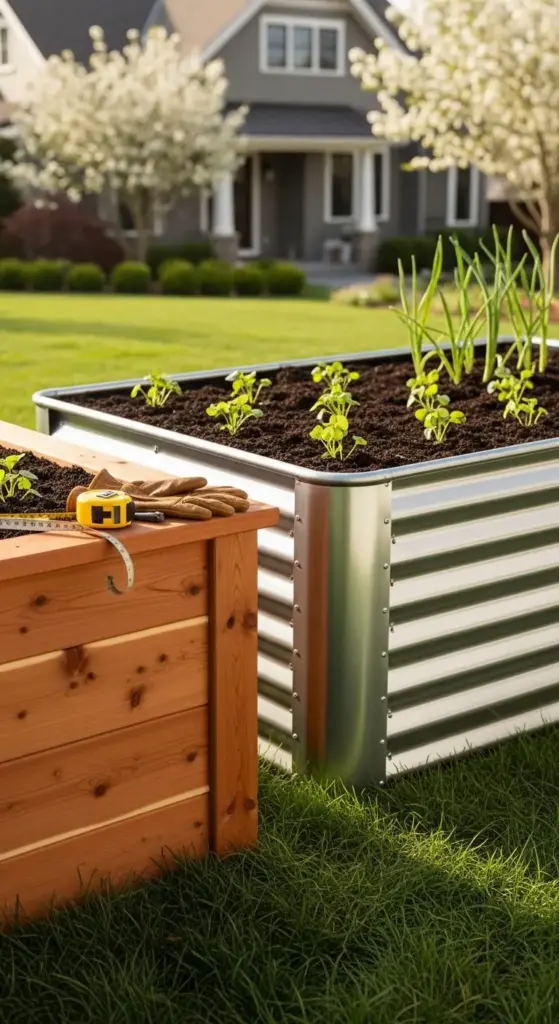
Picking the wrong material for my first raised bed was one of those mistakes I didn’t even realize I’d made until about two years later.
I used cheap, untreated pine boards from a big box store because they were on sale. By year two, the wood was rotting from the inside out and my bed was literally falling apart mid-season. Not ideal when you’ve got tomato plants depending on you.
So let’s talk about materials — because this decision affects everything from how long your bed lasts to whether it’s actually safe for growing food.
Cedar Wood — The Gold Standard for a Reason
If you ask most experienced gardeners what material they’d recommend, cedar wood is almost always the first answer.
And honestly? The reputation is earned.
Cedar is naturally rot-resistant thanks to its oils, which act as a built-in preservative. A well-built cedar raised bed can last 10 to 20 years without any treatment or sealing. That’s a long time to get value out of a single purchase.
It also just looks beautiful. The warm, reddish-brown tones of cedar fit perfectly into cottage gardens, farmhouse-style backyards, and really any outdoor space that leans natural and organic.
The downside is the price. Cedar boards typically run $2 to $4 per linear foot, which adds up quickly for a larger bed. A standard 4×8 foot cedar raised bed can cost anywhere from $50 to $150 in materials alone depending on your region.
But if you’re thinking long-term, cedar is almost always worth the upfront investment.
Pine — Budget-Friendly but With a Catch
Untreated pine is the most affordable option out there, and it’s totally fine as a starting point — especially if you’re not sure yet whether raised bed gardening is for you.
A basic pine raised bed can cost as little as $20 to $40 in lumber. That’s hard to argue with.
The catch is longevity. Untreated pine in direct contact with soil will typically start breaking down within 2 to 4 years, sometimes faster in wet climates like Seattle or Atlanta.
You can extend its life by lining the inside of the bed with landscape fabric or applying a food-safe wood sealant to the exterior. Neither fix is permanent, but they help.
Think of untreated pine as a starter material — great for learning, not great for forever.
Pressure-Treated Lumber — Proceed With Caution
Okay, this one needs its own section because there’s a lot of confusion around it.
Older pressure-treated lumber — anything made before 2003 — was treated with arsenic-based preservatives that are genuinely dangerous for growing food. If you find old treated wood lying around, do not use it for a vegetable garden. Full stop.
Modern pressure-treated lumber uses copper-based compounds (look for the label ACQ or CA-C), which are considered significantly safer. The EPA and most university extension programs say modern treated lumber is acceptable for raised beds with a landscape fabric liner between the wood and soil.
That said, I personally don’t use it for edible gardens. When it comes to the food my family eats, I’d rather just pay a little more for cedar and not think about it.
If budget is a real concern, untreated pine with a liner is a safer compromise than treated lumber.
Galvanized Metal — Sleek, Modern, and Surprisingly Durable
Galvanized steel raised beds have exploded in popularity over the last few years, and it’s easy to see why.
They look incredibly sharp. Clean lines, modern aesthetic, and they come in a range of shapes and sizes that work beautifully in contemporary outdoor spaces. If your home leans more modern minimalist than rustic farmhouse, a galvanized metal bed might be your best visual match.
Durability-wise, they’re excellent. A quality galvanized steel bed can last 20 years or more with minimal maintenance.
The safety question does come up — and it’s fair. Galvanized metal is coated in zinc, and there is some concern about zinc leaching into soil over time. Most research suggests the levels are too low to be harmful, and zinc is actually a micronutrient plants need. But if you want extra peace of mind, a food-safe liner inside the bed solves the issue completely.
Cost-wise, pre-made galvanized raised bed kits typically run $80 to $300 depending on size and brand. Birdies and Vego Garden are two popular brands worth looking at.


They’re not the cheapest option, but they’re one of the most low-maintenance ones out there.
Composite Lumber — The Low-Maintenance Middle Ground
Composite lumber is made from a mix of recycled wood fibers and plastic, and it’s genuinely underrated in the gardening world.
It doesn’t rot. It doesn’t splinter. It doesn’t need to be sealed or treated. And it holds up in wet climates far better than any natural wood option.
Visually, it mimics the look of real wood pretty convincingly — especially from a distance. It works well in suburban backyard settings where you want the warmth of wood without the upkeep.
The downsides? It’s heavier than wood, which makes building a little more cumbersome. And it costs more than pine — typically $3 to $6 per linear foot depending on the brand.
Also worth noting: not all composite lumber is created equal. Look for products specifically labeled food-safe or non-toxic if you’re growing edibles. Some cheaper composites use binders and additives you don’t want near your vegetable garden.
Cinder Blocks — Ugly Duckling or Hidden Gem?
Cinder blocks don’t exactly scream “Pinterest-worthy garden,” but hear me out.
They are incredibly durable, essentially permanent, and one of the most affordable structural options available. A standard cinder block costs about $1 to $2 each, and you can build a solid raised bed for under $40 if you’re working with a simple rectangular layout.
They also retain heat really well, which can actually extend your growing season by keeping soil warmer in early spring and late fall.
The aesthetic challenge is real though. Plain gray cinder blocks look industrial and unfinished in most backyard settings. But a coat of exterior masonry paint in a color that complements your home’s palette can transform them completely.
One legitimate safety concern: older cinder blocks made before the 1990s may contain fly ash, a coal byproduct that can leach heavy metals into soil. Stick to newer blocks and use a liner just to be safe.
Matching Materials to Your Home’s Aesthetic
This part matters more than most gardening guides admit.
Your raised bed is going to be a permanent fixture in your outdoor space — it should look like it belongs there.
Here’s a quick cheat sheet:
Rustic farmhouse or cottage style → Go with cedar or pine with a natural finish. Add decorative corner posts or cap the top edges for a more polished look.
Modern minimalist or contemporary → Galvanized metal is your best friend. Clean lines, neutral tones, and zero fuss.
Cozy suburban backyard → Composite lumber gives you the warmth of wood with a tidier, more uniform appearance that fits well in manicured settings.
Budget-conscious and practical → Cinder blocks painted in a coordinating color can look surprisingly intentional and even charming with the right styling around them.
The goal is for your garden to feel like a designed part of your outdoor space — not an afterthought.
Up Next: The Soil Mix That Actually Makes or Breaks Your Harvest
You’ve got your location. You’ve got your materials. Now comes the part that most beginners completely underestimate — what you actually fill that bed with.
Spoiler: regular dirt from your yard is not the answer. Not even close.
Hit Next below and I’ll walk you through the exact soil mix that experienced gardeners swear by — including a simple recipe you can put together yourself for under $50. 🌱



GIPHY App Key not set. Please check settings