

 The Home Growns
Maintaining Your Bird Feeder for Healthy Garden Care
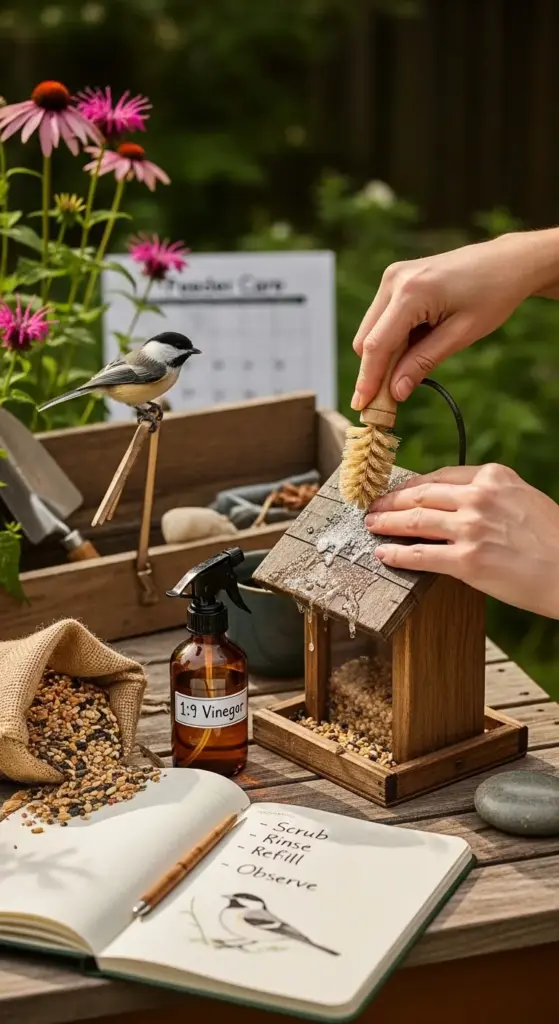
My Moldy Mistake (Please Learn From This!)
I ignored my feeder for three weeks. Big oops. Mold grew, and birds got sick. I felt terrible.
Cleaning schedule isn’t optional, friends. I now scrub every two weeks. Minimum. Garden care includes feeder hygiene, obviously.
Pro tip: Mark your calendar. Set a phone reminder. I use Sunday mornings with my coffee. Makes it a ritual.
The Quick Inspection Checklist (Takes 2 Minutes!)
Before refilling, I do a fast once-over. Look for cracks, rust, or loose parts. Weather takes a toll, y’all.
Weather-resistant materials still need love. Check hooks for wear. Sand rough spots on wood. Birds’ feet are delicate.
Confession: I skipped this in Seattle-Tacoma rain. A feeder collapsed mid-storm. Seed everywhere. Learn from my chaos.
Natural Cleaning Solutions That Actually Work (No Chemicals!)
I used to buy fancy cleaners. Waste of money. Now? Vinegar and water does the trick. One part vinegar, nine parts water.
Non-toxic finishes matter for cleaning too. Avoid bleach—it harms birds. Eco-friendly materials extend to maintenance, obviously.
For tough gunk, I use a bottle brush. Old toothbrushes work great too. Scrub ports, rinse well, dry completely. Simple but effective.
Refilling Rhythm: Keep ‘Em Coming Back (Without Waste)
I refill when feeders hit 25% full. Not empty, not full. Sweet spot. Bird seed storage stays fresh this way.
Seasonal tip: In winter bird care, refill more often. Birds burn calories fast. In summer, smaller batches prevent spoilage.
My rule: Check feeders every 2-3 days. Takes seconds. Backyard wildlife will learn your schedule. They’ll wait for you, seriously.
Monitoring Bird Health (You Can Make a Difference!)
This part matters more than you think. I keep a little garden journaling note of visitors. Spot patterns, notice changes.
If a bird looks fluffed up or lethargic? Report it. Use apps like eBird or contact local wildlife conservation groups. You’re helping science.
Confession: I once saw a finch with a swollen eye. Reported it immediately. Turns out, it was conjunctivitis. My quick action helped prevent spread. Felt good.
Seasonal Maintenance Swaps (Adapt Like a Pro)
My Atlanta humidity demanded extra care. I added silica packets to seed storage. Moisture control = mold prevention.


For Chicago cold, I swap to suet cakes in winter. High-energy food for harsh months. Migration patterns mean changing needs, obviously.
Spring cleaning isn’t just for houses. Deep-clean feeders in March. Remove old seed, scrub thoroughly, inspect hardware. Fresh start for feathered friends.
My “Lazy Day” Maintenance Hack (You’ll Love This)
On busy weeks, I use a quick-rinse method. Spray feeder with vinegar solution, rinse, dry. Takes 90 seconds. Not perfect, but better than nothing.
Also, keep a backup feeder. Swap while one dries. Small space solutions for maintenance, y’all. Game changer.
And hey, if you miss a week? Don’t panic. Birds are resilient. Just get back on track. Progress over perfection, always.
One Last Thing About Healthy Habits…
Wash your hands after handling feeders. Birds carry bacteria, obviously. Pet safe plants nearby help create a cleaner zone too.
Also, rotate feeder locations occasionally. Prevents disease buildup in soil. Sustainable gardening practices include smart rotation.
Remember: Maintenance isn’t chores. It’s love in action. Every scrub, every refill? You’re nurturing urban gardening ideas and mental wellness outdoors. That’s powerful.
You did it! Up next, I’m wrapping up this guide with final thoughts and a fun challenge to share your DIY feeder journey (plus my secret resource list for free upcycling materials in cities like Detroit and Minneapolis-St. Paul!). Click “next” – let’s celebrate your bird watching tips success together! 🌻🐦✨
Conclusion
Creating your own bird feeder is more than just a craft project; it’s an invitation to nature! I promise, once you see that first bird land, you’ll be hooked.
It blends your passion for DIY and crafts with the tranquility of garden care. You don’t need a green thumb or a huge budget to make this happen.
Just a little creativity and some love for animals.
So, grab those supplies and start building today! Don’t forget to snap a photo of your creation and share it with us.
Happy gardening!



GIPHY App Key not set. Please check settings