

 The Home Growns
Best Seeds and Food to Attract Local Birds to Your Home Decor
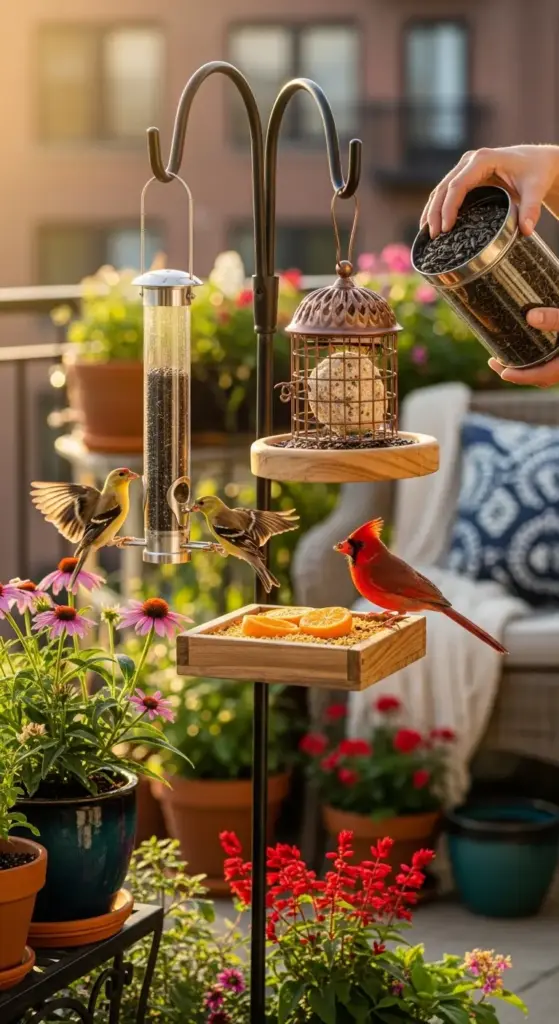
The Seed Mix That Changed My Bird Game (Seriously!)
Okay, I used to buy whatever seed bag looked pretty. Big mistake. My feeder attracted mostly sparrows. Nothing wrong with sparrows, but I wanted color!
Then I learned about black oil sunflower seeds. Game. Changer. Cardinals, finches, chickadees? All showed up. Like magic.
Pro tip: Nyjer seed is goldfinch catnip. Tiny black seeds, big results. I fill a tube feeder and watch them flock. Pure joy.
Seasonal Feeding: Your Birds Need You Year-Round
Winter hit my Chicago balcony hard last year. I almost stopped feeding. Don’t do this. Winter bird care is crucial when natural food is scarce.
Here’s my seasonal cheat sheet:
- Fall: High-fat suet cakes for migration energy
- Winter: Black oil sunflower for calories
- Spring: Millet for ground-feeding newcomers
- Summer: Fresh fruit slices (oranges for orioles!)
Migration patterns mean different visitors throughout the year. In Washington, DC, I get warblers in spring. In Los Angeles, hummingbirds stick around longer. Know your region.
Foods to Avoid (Learned This After a Sad Incident)
Confession time. I once offered bread to birds. Don’t. It’s like junk food for them. No nutrition, just filler.
Also skip: Salty snacks, chocolate, or anything with preservatives. Birds have sensitive systems. Garden care includes feeding safely.
And please, avoid seeds with chemical coatings. Look for organic gardening certified bags. Non-toxic finishes matter for feeders too. It all connects.
Regional Guides: DC vs. LA vs. You!
Your location changes everything. I learned this the hard way. What works in Seattle-Tacoma rain won’t fly in Atlanta heat.
For East Coast friends (hi, Philadelphia!):
- Cardinals love safflower seeds (squirrels hate ’em too!)
- Blue jays go nuts for peanuts in the shell
- Native plants like coneflowers provide natural snacks
*West Coast crew (Los Angeles, *Seattle)*:
- Hummingbird nectar (4:1 water to sugar, no red dye!)
- Acorn woodpeckers adore suet
- Pollinator garden flowers double as food sources
Not sure who visits you? Try a bird species identification app. I use Merlin. It’s free and amazing.


Storage Secrets That Saved My Seed (And My Sanity)
Okay, this is boring but vital. I lost a whole bag of seed to moths once. Never again.
Bird seed storage needs to be airtight. I use metal bins with tight lids. Plastic? Mice can chew through. Trust me on this.
Keep it cool and dry. Humidity = mold. Especially important in Dallas-Ft. Worth heat or Minneapolis-St. Paul damp. Pest control natural starts with proper storage.
Pro move: Freeze new seed for 48 hours before storing. Kills any hidden eggs. Game changer for sustainable gardening practices.
My “Oops” That Helped You (You’re Welcome!)
I once mixed seeds randomly. Turns out, finches hate millet. It just got wasted on the ground. Ugh.
Now I layer feeders strategically. Sunflower seeds on top, nyjer below. Less waste, happier birds. Backyard wildlife management is a learning curve.
And hey, if you buy too much? Share with a neighbor. Community gardening groups often swap supplies. Build connections while helping birds.
One Last Thing About “Home Decor” Integration
Remember, your feeder isn’t just functional. It’s part of your garden design. Choose seeds that attract colorful visitors. *Red cardinals against green foliage? *Stunning*.
Matching feeder styles with food types matters too. Tube feeders for nyjer, platform for fruit. Form meets function. Outdoor living spaces get an upgrade.
Plus, watching birds reduces stress. It’s nature therapy you can do in pajamas. Mental wellness outdoors, y’all. It’s real.
Ready to put it all together? Up next, I’m sharing my foolproof placement guide for maximum bird watching enjoyment (plus my secret trick for keeping squirrels off your feeder without harsh chemicals!). Click “next” – your urban gardening ideas are about to get a whole lot more lively! 🌻🐦✨



GIPHY App Key not set. Please check settings