

 The Home Growns
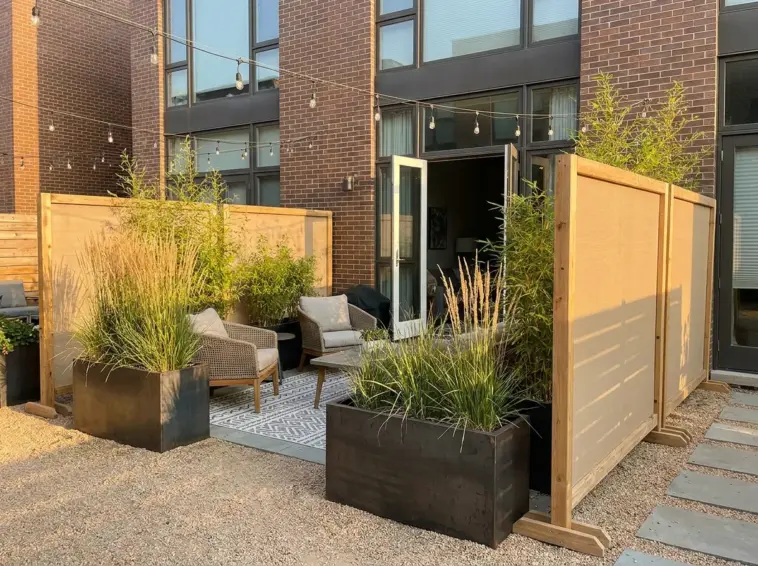
I’ve been there with rental yards that felt way too exposed. You want a little peace, maybe a prettier patio, maybe your dog to stop beefing with the neighbor’s terrier, and suddenly you’re decoding lease language like it’s a law school exam.
The good news is you do have options. The trick is choosing a temporary privacy fence or screen that looks good, works in real life, and won’t torch your security deposit on the way out.
Start with Lease, Landlord, and HOA Rules
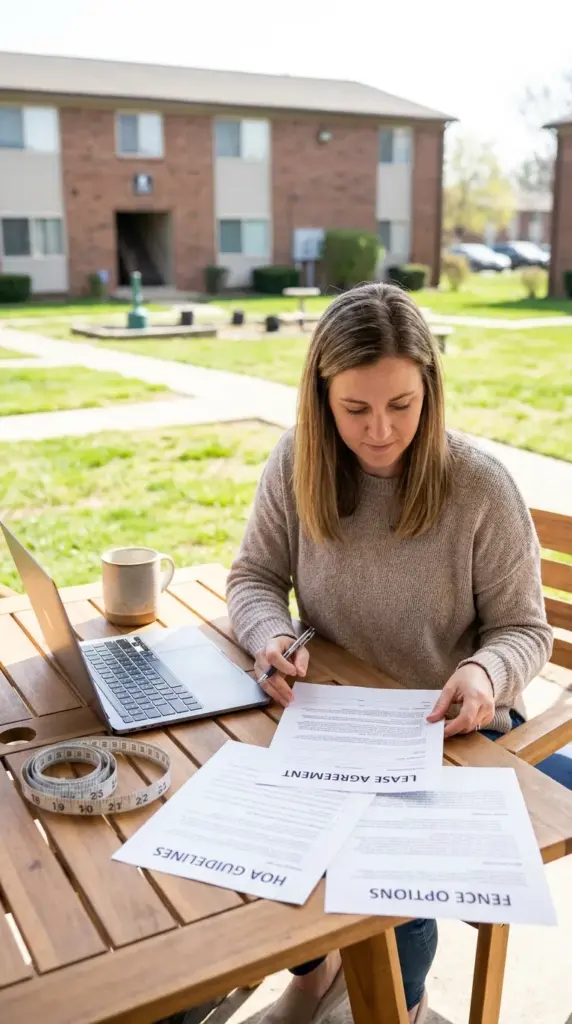
Why removable matters more than “no-dig”
A lot of renters hear no-dig fence kit and assume it’s automatically allowed. I wish it were that simple, but many leases ban any exterior alteration, even if you never touch concrete.
What usually matters most is whether the setup is removable fencing. If it can come down cleanly, leave no holes, and avoid damage to shared structures, you’re already in a much safer lane.
What to get approved in writing
I always tell people to ask for written landlord permission before buying a single panel. Keep it super clear: height, width, placement, material, and how it will be anchored or weighted.
If you can, include product photos and say the install is low damage installation. Property managers love specifics, and honestly, vague requests get ignored way more often.
Landlord rules vs HOA rules vs city code
This part trips people up all the time. Your landlord may say yes, but the HOA might hate the look, and local code may still restrict fence height restrictions or visibility near driveways.
In a lot of communities, HOA-friendly privacy solutions like outdoor privacy screen fabric, freestanding trellis privacy, or planter-based screening slide through more easily than a solid fence. Hit the next button below, because the next section helps you figure out exactly what kind of privacy you even need.

GIPHY App Key not set. Please check settings