

 The Home Growns
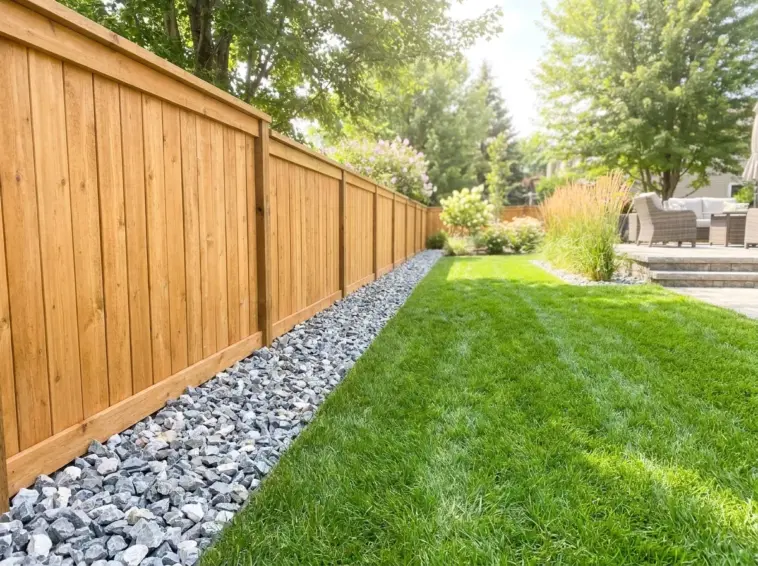
Have you ever wondered why your gorgeous wood fence starts looking so chewed up and gross at the bottom, even when you swear you’re taking perfect care of your yard?
Well, we are going to break down the exact landscaping secrets the pros use to protect those panels, starting with the real purpose of those pretty rock borders.
I’ll also walk you through the sneaky ways water loves to pool at the base, and exactly which stones you should grab from the hardware store to fix it.
But here is the frustrating part: most folks just dump a pile of rocks right up against the wood for curb appeal, which is a massive mistake that actually traps moisture and rots the wood twice as fast!
The actual science of creating a protective, indestructible buffer zone might surprise you, and it involves a tiny detail most DIYers completely miss.
Stick with me, because I promise to show you the exact, foolproof way to do this weekend project quickly and easily, with zero confusing landscaping jargon.
The Hidden Enemy Destroying Your Fence Every Week
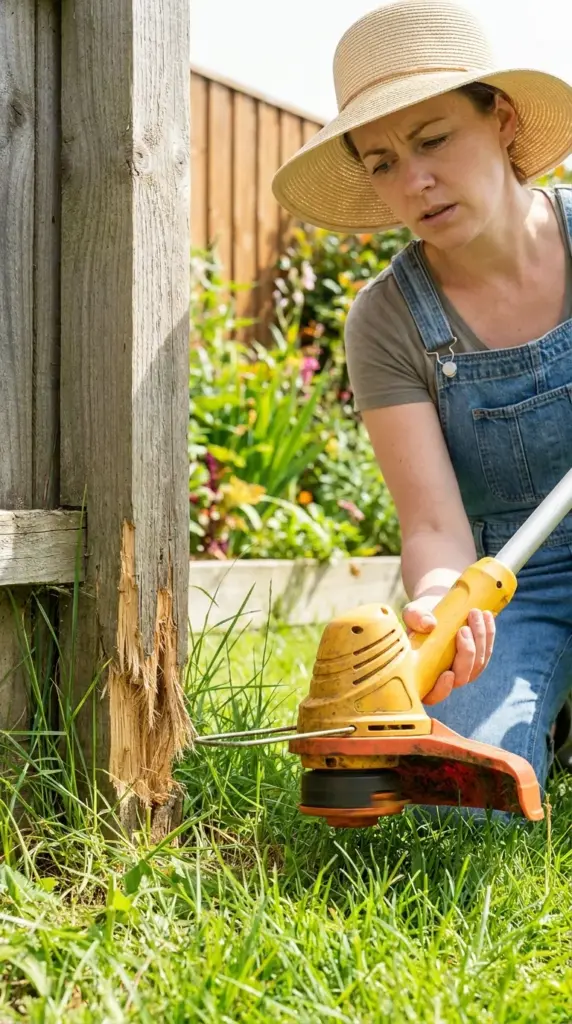
I’ll admit it, I was fully ready to blame the neighbor’s dog when I first noticed the bottom of my brand new cedar panels looking absolutely chewed to pieces.
It was right behind the main garden beds for my Home Growns veggie patch, and I was honestly so frustrated!
But then, one sunny Tuesday while doing my usual yard chores, I realized I was the culprit.
Every single time I busted out the landscaping tools to tidy up the edges, I was unknowingly destroying my own property.
The Weekly Weed-Whacking Massacre
Here is the brutal truth about that standard lawn maintenance routine we all do.
Your trusty string trimmer is basically a high-speed plastic whip that easily slices through weeds, but it also relentlessly smacks your fence posts.
Even if you are being super careful, those little nicks and scratches add up incredibly fast.
Over just one single summer, this recurring micro-damage completely strips away the expensive protective coatings and weather sealing you paid so much for.
And it’s not just wood—vinyl fences get deeply scratched and weakened at the base too, making them brittle and ugly over time.
An Open Door for Rot and Bugs
Once that protective barrier is gone, your fence is basically sitting naked in the dirt.
Every time your sprinklers run or it rains, the raw, exposed wood acts like a giant sponge.
This is the exact moment premature wood rot takes hold, completely ruining the structural integrity of your posts from the ground up.
Even worse? Termites and carpenter ants absolutely love damp, damaged wood, and you are essentially serving them an all-you-can-eat buffet.
It’s a sneaky snowball effect that turns a simple yard care habit into a massive, thousands-of-dollars repair bill.
So yep, that’s exactly why those fancy stones you see at the base of expensive yard designs aren’t just there to look pretty, so hit the next button below because I’m going to show you exactly how a simple rock border creates an indestructible physical defense line.


GIPHY App Key not set. Please check settings