

 The Home Growns
7. Transplanting Success: Moving Seedlings to Their Forever Home
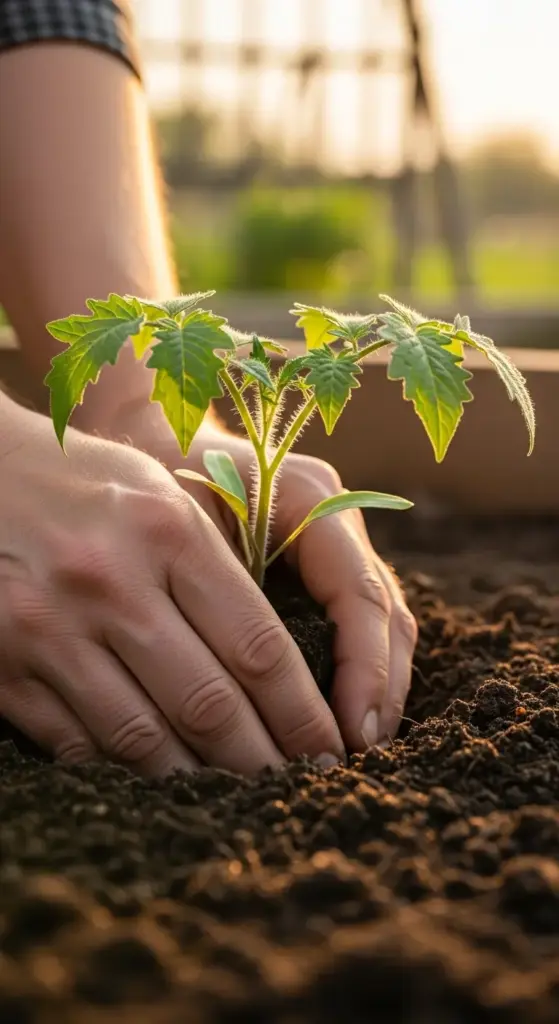
I once transplanted tomato seedlings on May 1st in Minneapolis because the sun felt warm.
Frost hit three nights later.
I cried over those blackened leaves like they were my children. Which, honestly—they kinda were.
Timing isn’t just important. It’s everything.
Frost Dates Aren’t Just Suggestions
Your city’s last frost date is the golden rule.
Atlanta gardeners can often transplant tomatoes by early April. Minneapolis folks? Usually wait until Memorial Day weekend.
I keep a sticky note on my fridge with my zip code’s frost date. For Chicago it’s around May 15th—but I still watch the 10-day forecast like a hawk.
And don’t transplant just because sprouts appeared. Wait for true leaves—those second set with jagged edges—to develop. Seedlings without them rarely survive the shock.
The Gentle Uprooting Method
Yanking seedlings by their stems is a one-way ticket to plant death.
I learned to slide a popsicle stick or teaspoon down the side of the container, gently loosening the root ball before lifting.
For egg carton starters? Just tear off one cup and plant the whole thing. The roots grow right through the pulp.
Handle seedlings by their leaves—not stems. A crushed stem won’t recover. A torn leaf? The plant shrugs it off.
Plant Tomatoes DEEP (Seriously)
Here’s my favorite secret: tomatoes grow roots all along their buried stem.
I dig holes deep enough to bury two-thirds of the plant—even covering the bottom set of leaves. Those nodes sprout roots underground, creating a monster root system.
My friend in Dallas thought I was nuts until she tried it. Her deeply planted tomatoes survived a brutal July heatwave while her shallow ones wilted daily.
Peppers and eggplants? Plant at the same depth they grew indoors. Only tomatoes and tomatillos love this deep treatment.
The First 48 Hours Make or Break Them
Transplant shock is real.
I always give new seedlings afternoon shade for the first two days using a simple piece of shade cloth or even an overturned laundry basket with holes.
Water gently but thoroughly right after planting. Then skip heavy watering for 24 hours—let roots seek moisture deeper down.


My secret weapon? Compost tea. I brew a weak batch (looks like weak tea, not coffee) and water transplants with it. The beneficial microbes help roots recover fast.
Within three days, you’ll see perky leaves reaching for sun again. That’s your cue they’ve settled in.
Celebrate the Milestone
I take a photo every time I transplant seedlings.
Not for Instagram clout—though my garden journal stories get sweet comments. I do it for me.
Flipping back through phone photos from April to August shows the whole journey: tiny sprout → leggy seedling → strong transplant → fruiting plant.
It’s proof you grew life from practically nothing. And that feeling? Worth every muddy fingernail.
Honestly transplanting is where seed starting pays off.
All those weeks of checking trays, adjusting lights, thinning sprouts—it culminates in this quiet moment pressing a living thing into earth.
You’ve got this. Check your frost date. Wait for true leaves. Plant tomatoes deep. And breathe when you see that first post-transplant stretch toward the sky.
Your garden’s about to get real. And when those first cherry tomatoes ripen or zinnias burst into color? You’ll already be planning next year’s seed order.
Ready to start your own seed starting journey this weekend? Grab one packet of easy seeds (try lettuce or marigolds!), a yogurt cup, and just begin. Then come back and tell me what sprouted first—I read every comment and cheer for your tiny green victories 🌱💚
Conclusion
Look at you—transforming tiny seeds into living, breathing plants!
This isn’t just gardening; it’s creating beauty with your own hands, nourishing your family with homegrown goodness, and carving out peaceful moments in our chaotic world.
Your windowsill jungle or backyard oasis starts with a single seed and a little courage.
Ready to get your hands dirty? Grab a packet of zinnias or cherry tomatoes this weekend and plant just three seeds.
Then tag me in your first sprout selfie—I live for those tiny green victories!
Remember: every master gardener was once a beginner staring at soil, wondering if anything would grow. Yours will. 💚

GIPHY App Key not set. Please check settings