

 The Home Growns
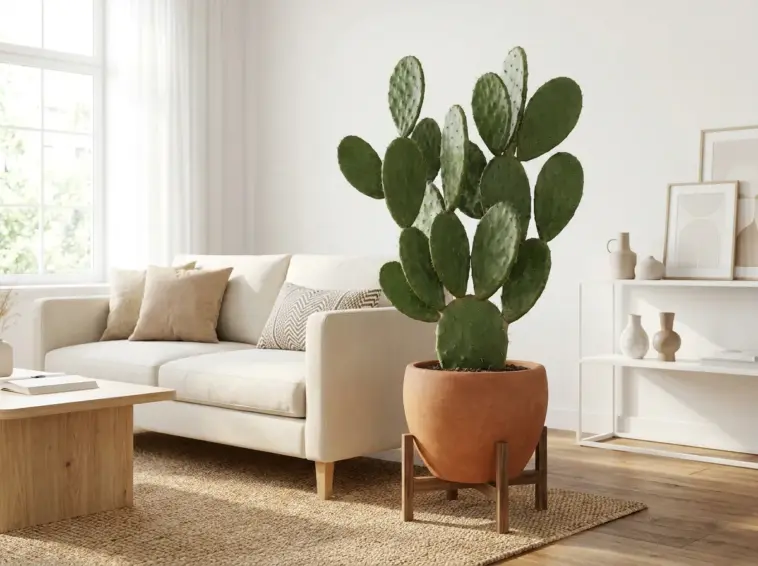
Let’s be completely honest for a second—we’ve all been guilty of smothering our plants with way too much attention. I remember when I first brought home my gorgeous prickly pear cactus, I treated it like a delicate tropical fern.
I watered that poor thing every single week because I thought being a good plant parent meant keeping the soil damp. Well, it quickly turned into a complete mushy nightmare.
It turns out that loving a plant to death is the single most common pitfall in any cactus care routine. Data shows that overwatering and poor soil drainage actually account for nearly 90% of indoor cactus failures among modern plant collectors.
These desert natives are structurally built to survive intense drought, not a constant swamp around their roots. If you’ve noticed your paddle cactus looking a bit sad or yellow, you are definitely not alone in this struggle.
Let’s fix your routine right now so you can stop stressing and finally build a thriving indoor houseplant display.
The Fatal Flaw: Overwatering and the Wrong Soil Mix
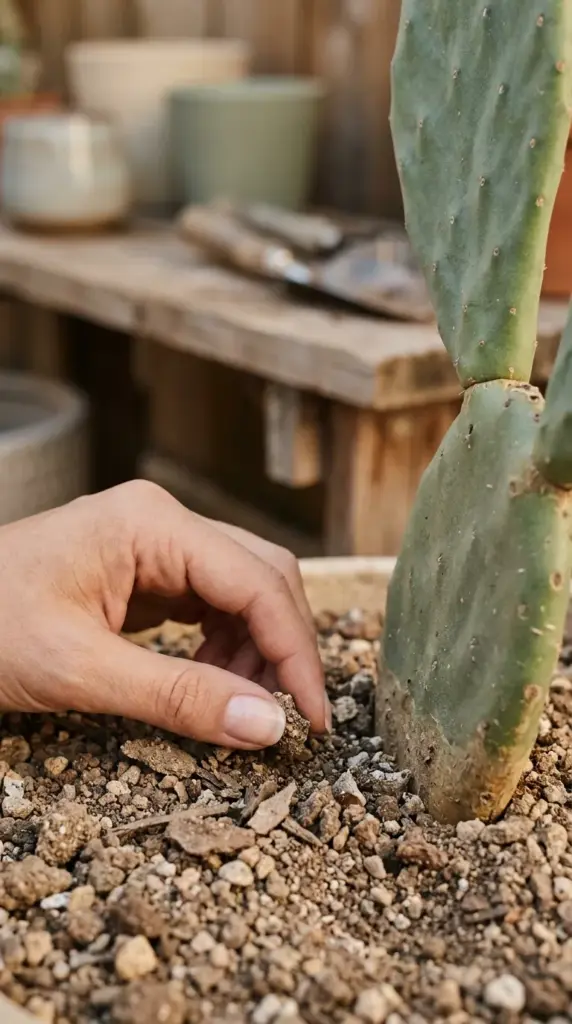
I’ll never forget the time I potted my first major propagation in a gorgeous, non-draining ceramic bowl using regular garden soil because I was too impatient to buy the right stuff. It was a total disaster, and within three weeks, the bottom of my plant looked like a soggy sponge.
The Secret “Love Drowning” Phase
We often think we are doing a great job by giving our plants a little sip of water every few days. But overwatering cacti happens when we treat them like normal houseplants instead of desert survivors.
When you use standard, heavy potting soil, it acts like a literal wet blanket around the root system. Cactus roots need oxygen just as much as they need water, and sitting in stagnant mud suffocates them instantly.
Spotting Suffocated Roots Before It’s Too Late
So, how do you know if you’ve crossed the line from healthy hydration to accidental plant murder? You have to train your eyes to read the root rot symptoms before the damage climbs up the plant.
If your prickly pear cactus is just thirsty, the pads will look slightly wrinkled but stay firm to the touch. However, if you see yellowing pads that feel soft, mushy, or look translucent, the roots are actively drowning beneath the surface.
Getting your drainage and watering schedule right is only half the battle, though, so go ahead and click that next button because we need to talk about the absolute best way to give your cactus the blazing sunlight it’s screaming for.

GIPHY App Key not set. Please check settings