

 The Home Growns
The Best Vegetables to Plant as a Beginner (And When to Plant Them)
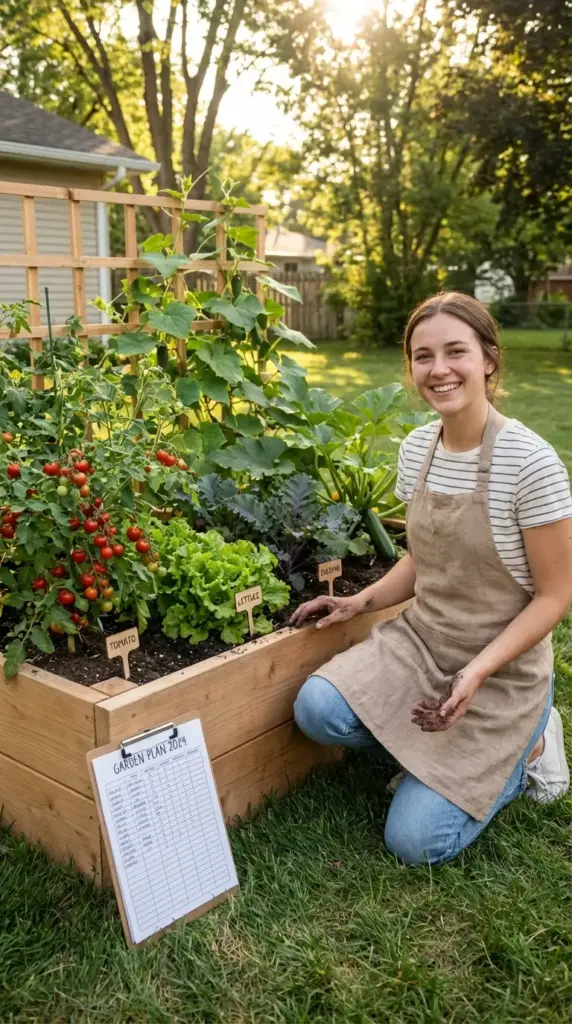
Let me paint you a picture of my very first vegetable garden attempt.
I planted everything at the same time, in the same week, with zero regard for seasons, frost dates, or growing times. Watermelon next to spinach. Tomatoes going in the ground in early April in a cold climate. It was a horticultural disaster.
But honestly? That chaos taught me more than any gardening book ever could.
The Top 10 Easiest Vegetables to Grow for Beginners
Before we talk timing, let’s talk about what to actually plant.
Not all vegetables are created equal when it comes to beginner-friendliness. Some are forgiving, fast, and practically grow themselves. Others are fussy, slow, and will break your heart.
Start with the forgiving ones.
Here are the 10 best vegetables for beginners, ranked by ease:
1. Lettuce The ultimate beginner vegetable. It grows fast (ready in as little as 30 days), tolerates partial shade, and can be harvested continuously by cutting outer leaves. Perfect for containers and raised beds.
2. Radishes Ready in 18 to 25 days from seed. Radishes are basically instant gratification in vegetable form. Great for keeping kids engaged too.
3. Zucchini One plant will produce more zucchini than you know what to do with. Seriously. They’re almost impossible to kill and grow aggressively in warm weather.
4. Green Beans (Bush Variety) No staking required, no fussing. Bush beans go from seed to harvest in about 50 to 60 days and produce abundantly. Plant them and mostly leave them alone.
5. Cherry Tomatoes Way easier than large beefsteak varieties. ‘Sun Gold,’ ‘Sweet 100,’ and ‘Black Cherry’ are three varieties I recommend constantly to beginners. They’re prolific, disease-resistant, and absolutely delicious.
6. Cucumbers Fast-growing and productive. Give them a small trellis and they’ll reward you generously. Ready to harvest in about 50 to 70 days.
7. Kale Practically indestructible. Kale tolerates cold, heat, and neglect better than almost any other vegetable. It’s also one of the most nutritious things you can grow.
8. Spinach A cool-season superstar. Plant it in early spring or fall and it’ll thrive. Bolts (goes to seed) in summer heat, so timing matters here.
9. Herbs (Basil, Mint, Chives) Technically not vegetables, but absolutely essential for beginner gardens. Herbs are low-maintenance, useful in the kitchen, and most of them come back year after year.
10. Peas (Sugar Snap) Sweet, crunchy, and kids love picking them straight off the vine. Ready in about 60 days and perfect for early spring planting.
Seasonal Planting Guide by Region
Okay, this is where I really want you to pay attention. Because planting at the wrong time is the number one mistake beginners make — and it’s completely avoidable.
Your planting schedule is determined by two things: your last spring frost date and your first fall frost date. Everything else flows from there.
Here’s a region-by-region breakdown for the cities most relevant to you:
🗽 New York City (USDA Zone 7a)
- Last spring frost: April 1 to April 15
- First fall frost: October 15 to November 1
- Start seeds indoors: February through March
- Transplant outdoors: Mid-April through May
- Direct sow warm-season crops: May through June
- Best crops for NYC: Tomatoes, peppers, lettuce, herbs, kale, cucumbers in containers
☀️ Los Angeles (USDA Zone 10b)
- Last spring frost: Essentially none — LA is frost-free almost year-round
- Year-round growing is possible with the right crop rotation
- Cool-season crops (lettuce, spinach, broccoli): October through March
- Warm-season crops (tomatoes, peppers, cucumbers): March through September
- Watch out for extreme summer heat — temperatures above 95°F can cause tomatoes to drop their blossoms
🍑 Atlanta (USDA Zone 8a)
- Last spring frost: March 15 to March 31
- First fall frost: November 15 to December 1
- One of the longest growing seasons on this list — take advantage of it!
- Start warm-season crops outdoors as early as mid-March
- Fall gardening is huge in Atlanta — plant a second round of cool-season crops in September for a fall harvest
❄️ Minneapolis-St. Paul (USDA Zone 4b-5a)
- Last spring frost: May 1 to May 15 — sometimes even later
- First fall frost: September 15 to October 1
- Shorter growing season means you need to be strategic
- Start seeds indoors 6 to 8 weeks before last frost — that means starting in mid-March
- Focus on fast-maturing varieties: look for seed packets that say “early” or “short season”
- Cold-hardy crops like kale, spinach, and peas can go out 2 to 4 weeks before last frost
🌧️ Seattle-Tacoma (USDA Zone 8b)
- Last spring frost: March 1 to March 15
- Cool, mild summers are perfect for leafy greens, brassicas, and root vegetables
- Tomatoes and peppers can be grown but need the warmest, sunniest spot you have
- Start warm-season crops indoors in March and don’t rush transplanting — Seattle’s cool springs can stall growth
- Cool-season crops absolutely thrive here — lettuce, kale, chard, and peas are your best friends
🏙️ Chicago (USDA Zone 6a)
- Last spring frost: April 15 to May 1
- First fall frost: October 1 to October 15
- Start seeds indoors in late February to early March
- Don’t be fooled by a warm April day — Chicago weather is unpredictable and a late frost can wipe out tender transplants overnight
- Focus on cold-tolerant crops for early spring: lettuce, spinach, peas, kale
Fast-Growing Vegetables for Instant Gratification
I know how it feels to plant something and then stare at the soil for two weeks wondering if anything is actually happening.
These vegetables will give you results fast — and that early win is so important for keeping your motivation up as a new gardener.
The fastest-growing vegetables you can plant:


- Radishes — 18 to 25 days 🏆
- Lettuce (leaf varieties) — 30 to 45 days
- Spinach — 35 to 45 days
- Arugula — 30 to 40 days
- Green onions/Scallions — 20 to 30 days
- Baby kale — 25 to 35 days
- Peas (sugar snap) — 55 to 70 days
- Bush beans — 50 to 60 days
Pro tip: interplant fast-growing crops between slower ones. Radishes and lettuce can be sown between tomato transplants in early spring — they’ll be harvested and gone before the tomatoes need the space. It’s called intercropping and it’s one of the smartest space-saving strategies in gardening.
Vegetables Perfect for Cooking, Meal Prep, and Family Dinners
Let’s be real — you want to grow things you’ll actually use in the kitchen.
There’s nothing more satisfying than pulling together a weeknight dinner almost entirely from your own garden. Here are the vegetables that give you the most kitchen versatility:
For everyday cooking and meal prep:
- Cherry tomatoes — salads, pasta, roasting, snacking straight off the vine
- Zucchini — stir fries, zucchini bread, grilling, spiralizing into “zoodles”
- Bell peppers — stuffed peppers, fajitas, roasted veggie bowls
- Kale and spinach — smoothies, sautéed sides, soups, salads
- Cucumbers — salads, tzatziki, infused water, quick pickles
For family dinners specifically:
- Green beans — a classic side dish that even picky eaters tend to accept
- Sweet corn — kids go absolutely wild for fresh corn on the cob from the garden
- Cherry tomatoes — versatile enough for almost any meal
- Herbs (basil, parsley, chives) — elevate literally everything you cook
Growing your own food genuinely changes how you cook. When you have an abundance of fresh basil, you make pesto. When your zucchini plants go crazy in August, you learn 15 new zucchini recipes. It’s a beautiful, delicious problem to have.
How to Plan a Continuous Harvest
This concept changed my gardening life. Completely.
Most beginners plant everything at once and then end up with a massive glut of produce for two weeks followed by… nothing. It’s called feast or famine gardening and it’s super common.
The solution is succession planting — and it’s simpler than it sounds.
Here’s how it works:
Instead of planting all your lettuce seeds at once, plant a small batch every 2 to 3 weeks throughout the growing season. Each batch matures at a different time, giving you a steady, continuous supply instead of one overwhelming harvest.
A simple succession planting schedule for beginners:
- Week 1: Plant lettuce, radishes, spinach
- Week 3: Plant another round of lettuce and radishes + direct sow beans
- Week 5: Plant cucumbers and a third round of lettuce
- Week 7: Plant a final round of beans and fast-maturing greens
For tomatoes and peppers, you don’t succession plant — you just choose varieties with different maturity dates. Plant an early variety (like ‘Early Girl’ tomatoes, ready in 52 days) alongside a mid-season variety (like ‘Brandywine,’ ready in 78 days) for a longer harvest window.
This strategy alone can extend your fresh harvest by 6 to 8 weeks. It’s genuinely one of the best things I ever learned.
Organic vs. Conventional Growing: What Beginners Need to Know
I want to address this one honestly, because there’s a lot of noise around it and I think it sometimes overwhelms new gardeners unnecessarily.
Here’s the simple truth: growing your own food — any way you grow it — is already a massive win.
That said, here’s what you actually need to know:
Organic growing means avoiding synthetic pesticides, herbicides, and fertilizers. Instead, you use:
- Compost as your primary soil amendment
- Organic fertilizers like fish emulsion, worm castings, or kelp meal
- Natural pest control methods like neem oil, insecticidal soap, or companion planting
The benefits go beyond just avoiding chemicals. Healthy, organically-amended soil actually builds on itself over time — it gets better every season as you add more compost and organic matter.
Conventional growing uses synthetic fertilizers (like standard Miracle-Gro) and chemical pesticides when needed. It’s not inherently evil — and honestly, for a beginner just trying to get something to grow, there’s no shame in using a balanced synthetic fertilizer while you’re learning.
My honest recommendation for beginners:
Start with a good quality organic compost mixed into your soil or raised bed. Use organic fertilizers where possible. And if you get a pest problem, try the gentlest solution first before reaching for anything harsh.
You don’t have to be perfectly organic from day one. Just be intentional, learn as you go, and move toward more natural methods over time.
Growing your own vegetables is one of those things that sounds complicated until you actually do it — and then you wonder why you waited so long.
Start with the easy crops, respect your regional planting calendar, and use succession planting to keep the harvest coming all season long.
That’s really the whole formula.
🛒 Next up — don’t skip this one! Hit that Next button below because we’re diving into all the essential gardening supplies you actually need as a beginner — and more importantly, what you don’t need so you’re not wasting money on stuff that’ll just collect dust in your garage. We’re keeping it practical, budget-friendly, and yes, a little bit stylish too. See you there! 🌿


GIPHY App Key not set. Please check settings