

 The Home Growns
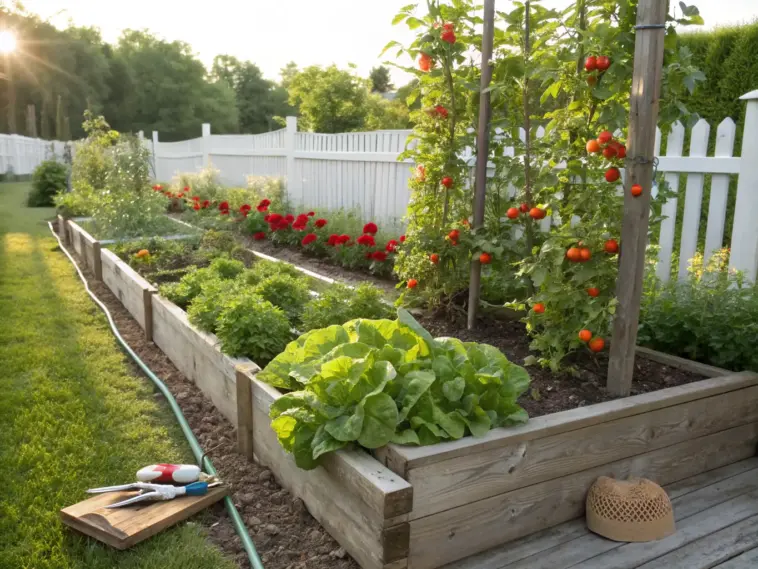
Did you know that nearly 35% of American households are now growing food at home — and that number keeps climbing?
If you’ve been scrolling through Pinterest dreaming of a gorgeous, organized vegetable garden but have no idea where to start, you’re in the right place!
I get it. The idea of designing a vegetable garden from scratch can feel overwhelming — especially when you’re juggling a busy life, a home to decorate, and maybe a few little ones running around.
But here’s the truth: creating a beautiful, productive veggie garden doesn’t have to be complicated or expensive. With the right layout, a little creativity, and a few clever DIY hacks, you can grow fresh food and have a garden that looks like it belongs on a magazine cover.
Whether you’re working with a sprawling backyard in Dallas or a tiny urban plot in New York City, this guide is designed specifically for beginners who want results — fast, fun, and fabulous.
Let’s dig in! 🌿
Why Every Beginner Needs a Vegetable Garden Design Plan First
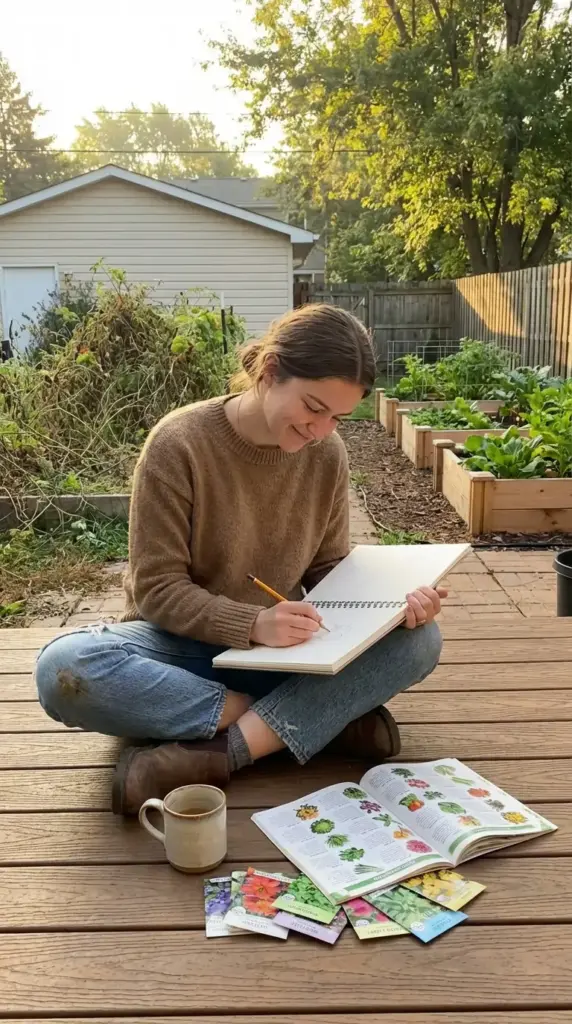
Okay, real talk — the first time I tried to grow a vegetable garden, I just… winged it. I bought a bunch of seeds, dug some holes, and hoped for the best.
Spoiler alert: it was a disaster. 😅
Half my plants got zero sun, my tomatoes were crowded out by zucchini (which, by the way, will take over the world if you let it), and by July I had a tangled, sad mess instead of the beautiful kitchen garden I’d imagined.
That summer taught me the most important lesson in gardening: a plan isn’t optional. It’s everything.
The Difference Between a Thriving Garden and a Chaotic One
Here’s what nobody tells you when you’re starting out — vegetable gardening is part science, part design, and part logistics.
Without a plan, you’re basically just guessing. And guessing costs you money, time, and a whole lot of frustration.
Studies from the National Gardening Association show that gardeners who plan their layouts before planting report significantly higher yields and less plant loss. That’s not a coincidence.
How a Design Plan Saves You Time, Money, and Frustration
Think about it like decorating a room. You wouldn’t just buy random furniture and shove it in without measuring first, right?
Same energy applies here. A simple garden design plan helps you figure out exactly how many plants you need, what supplies to buy, and where everything goes — before you spend a single dollar at the nursery.
I used to overbuy seeds every spring. Like, embarrassingly so. Once I started planning on paper first, I cut my supply costs by almost 40%. Not kidding.
Understanding Your Space: Sunlight, Soil, and Climate
This is where a lot of beginners (including past me) totally drop the ball.
Most vegetables need at least 6 to 8 hours of direct sunlight per day. That’s non-negotiable for things like tomatoes, peppers, and cucumbers.
Before you plant a single seed, spend a weekend just watching your yard. Notice where the sun hits in the morning versus the afternoon. It sounds simple, but it’s genuinely game-changing.


And climate? Oh, it matters so much more than people realize.
- If you’re in New York or Chicago, you’re working with a shorter growing season — roughly May through September. Frost dates are real and they will humble you fast.
- Los Angeles and Atlanta gardeners? You’ve got a longer window, but heat stress on plants is a serious issue in peak summer.
- Seattle-Tacoma folks deal with a lot of cloud cover, which means even “full sun” spots might only get 5 to 6 hours on overcast days.
Knowing your city’s average last frost date is one of the most practical things you can do as a beginner. You can look yours up for free at The Old Farmer’s Almanac.
Sketching Your First Garden Layout (No Design Degree Required!)
I know “garden layout” sounds fancy, but I promise — it’s just a drawing on a piece of paper.
Grab a pencil and sketch out your space. Measure the length and width of your garden area, then draw it to scale. Even a rough sketch works.
Mark where the sun comes from, where there’s shade, and where your water source is. Those three things alone will shape your entire layout.
A good rule of thumb: place tall plants like corn or pole beans on the north side of your garden so they don’t shade out your shorter plants. It’s a small detail that makes a huge difference.
How Your Garden Design Connects to Your Home’s Aesthetic
Here’s something I didn’t expect to care about — but totally do now. Your garden is part of your home’s overall look and feel.
A well-designed vegetable garden can actually boost your curb appeal and make your outdoor space feel intentional and beautiful, not just functional.
Think about raised beds with clean lines, matching plant markers, a little gravel pathway between rows. It’s giving outdoor living space, not just “place where vegetables grow.”
If you’re into home decor and design (and honestly, who isn’t?), treat your garden like an extension of your interior style. Cohesive, purposeful, and totally you.
Tools and Apps to Help You Map It All Out Digitally
If paper sketching isn’t your thing, there are some really solid digital tools out there.
Gardena MyGarden and Garden Planner by Vegetable Garden Planner are two of my favorites. They let you drag and drop plants into a virtual grid, and they’ll even tell you spacing requirements automatically.
GrowVeg in particular is super beginner-friendly and has a free trial — definitely worth checking out before your first planting season.
The SmartPlant app is also great if you want plant care reminders and personalized advice based on your location.
Planning your garden before you plant is honestly the move. It’s the difference between feeling confident and in control versus standing in your backyard in May wondering what went wrong.
Take the time to plan. Your future self — and your harvest — will thank you.
🌿 Ready to keep going? Hit that Next button below — because in the next section, we’re breaking down all the different types of vegetable gardens and helping you figure out which one is the perfect fit for your space, your lifestyle, and yes, your aesthetic. Trust me, you don’t want to skip it!


GIPHY App Key not set. Please check settings