

 The Home Growns
Choosing the Right Garden Type for Your Lifestyle and Space
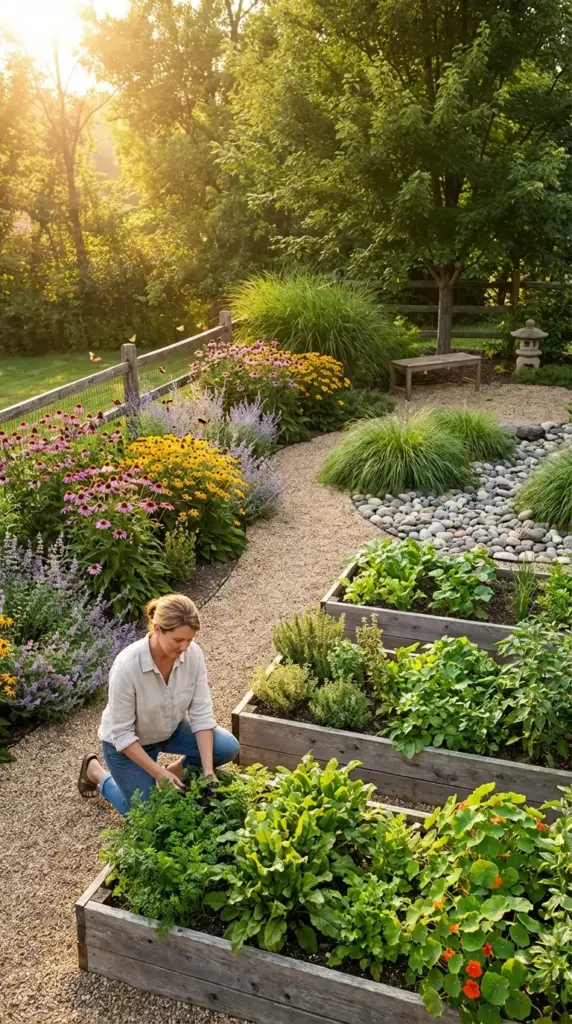
Can I tell you something that took me way too long to figure out?
The garden type you choose matters just as much as the plants you put in it. Maybe more.
I spent an entire summer trying to maintain a sprawling cottage garden when what I actually needed — as a busy person with approximately zero extra hours in my week — was something way more manageable. It was beautiful for about three weeks. Then life happened, and it turned into a gorgeous, overgrown mess.
Lesson learned. Hard.
The Most Popular Garden Types (And What They’re Really Like to Maintain)
Let’s break down the main garden styles you’ll see everywhere right now — and the honest truth about each one.
Cottage gardens are that dreamy, romantic look with overflowing flower beds, climbing roses, and a slightly wild feel. They’re stunning. They’re also a lot of work — regular deadheading, dividing perennials, and managing plants that want to take over everything.
Raised bed gardens are probably the most practical option for most people. You control the soil, the drainage is built in, and the defined borders make maintenance so much easier. A standard 4×8 raised bed gives you 32 square feet of growing space — enough for a solid mix of vegetables, herbs, and flowers.
Zen Gardens, Kitchen Gardens, and Pollinator Gardens
Zen gardens — also called Japanese-inspired gardens — are all about simplicity, clean lines, and a sense of calm. Think ornamental grasses, smooth stones, bamboo, and carefully pruned shrubs. Surprisingly low maintenance once established, and absolutely gorgeous year-round.
Kitchen gardens (sometimes called potager gardens) are functional AND beautiful. You’re growing herbs, vegetables, and edible flowers in an intentional, designed layout. The French-style potager arranges plants in geometric patterns that look as good as they taste. This style is having a major moment right now — and for good reason.
Pollinator gardens are designed to attract bees, butterflies, and beneficial insects. Native plants like coneflowers, black-eyed Susans, and lavender are the backbone of this style. They’re also some of the most low-effort gardens you can plant once they’re established — native plants basically take care of themselves.
Matching Your Garden Style to Your Home’s Architecture
Here’s something interior designers know that most gardeners don’t think about enough.
Your garden should feel like an extension of your home — not a completely separate vibe slapped onto the back of it. A sleek, modern home with clean lines looks incredible with a structured, minimalist garden — think ornamental grasses, geometric raised beds, and a limited color palette.
A cozy craftsman bungalow? That’s cottage garden territory all the way. Climbing roses on a wooden trellis, overflowing lavender borders, a little stone pathway — it just fits.
If your home has a farmhouse or rustic aesthetic — which is huge right now in home decor trends — a kitchen garden with raised wooden beds, galvanized metal planters, and an herb wall near the back door will look like it was always meant to be there.
Best Garden Types for Small Urban Backyards
Okay, this one’s for my girls in New York, Chicago, and Philadelphia — because small space gardening is its own art form.
When you’re working with a tiny urban backyard, vertical space is your best friend. A vertical garden wall using pocket planters or a trellis system can give you serious growing space without eating up your square footage. I’ve seen 6-foot fence panels turned into full herb and flower gardens — it’s genuinely impressive.
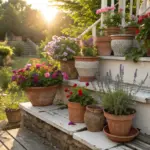
Container gardens are another game-changer for small spaces. Large ceramic pots, wooden crates, and galvanized tubs can hold everything from tomatoes to hydrangeas. The key is going big with your containers — small pots dry out too fast and look cluttered. Fewer, larger containers always look more intentional.


For truly tiny backyards, a raised bed plus container combo with a vertical element is honestly the perfect trifecta. You get variety, visual interest, and actual growing space without overwhelming a small yard.
Low-Maintenance Garden Styles for Busy Moms and Working Women
Let’s be real for a second. Most of us don’t have hours every weekend to spend gardening.
And that’s okay! The secret is choosing a garden style that works with your schedule — not against it. Here are the styles I always recommend for busy women:
Native plant gardens are the ultimate low-maintenance choice. Once established — usually after the first full growing season — native plants need almost no watering, fertilizing, or fussing. They evolved to thrive in your local climate. Let them do their thing.
Gravel or rock gardens with drought-tolerant plants like sedums, ornamental grasses, and agave are stunning and practically maintenance-free. No mowing, minimal watering, and they look intentional and modern year-round.
Perennial gardens are also a smart investment for busy schedules. You plant once, and they come back every year. Mix in some ornamental grasses and flowering perennials like coneflowers, salvia, and black-eyed Susans, and you’ve got a garden that basically runs itself.
Mixing Garden Types for a Layered, Multi-Functional Space
Here’s my favorite approach — and honestly, the one that gives you the most beautiful results.
You don’t have to pick just one garden type. The most stunning backyards I’ve ever seen combine two or three styles in a way that feels intentional and layered.
Try this: use raised beds for your kitchen garden in the sunniest part of your yard, add a pollinator border along the fence line with native flowers, and create a small zen-inspired seating area with gravel and ornamental grasses in a shaded corner. Suddenly you have a yard that’s functional, beautiful, and relaxing — all at the same time.
The trick is to use a consistent color palette and materials to tie everything together. Repeating the same wood tone in your raised beds and your furniture, for example, makes mixed garden styles feel cohesive instead of chaotic.
It’s like decorating a room — everything doesn’t have to match, but it should all belong together.
Finding Your Garden Personality
At the end of the day, the best garden type is the one you’ll actually enjoy and maintain.
Don’t choose a high-maintenance cottage garden because it looks gorgeous on Pinterest if you know deep down you’ve got 45 minutes a week to spend outside. Be honest with yourself. A simple, well-maintained raised bed garden will always look better than an ambitious design that’s been neglected.
Start with one style, get comfortable, and layer in more complexity as you go. That’s how the best gardens are built — slowly, intentionally, and with a lot of love.
🌿 Next up — we’re getting into the good stuff. Now that you know your garden type, it’s time to actually design your backyard layout step by step. We’re talking zones, pathways, focal points, and the exact process I use to turn a blank yard into a space that looks like it came straight out of a magazine. Trust me, you don’t want to skip this section. Hit that Next button below — let’s build something beautiful! 🏡✨

GIPHY App Key not set. Please check settings