

 The Home Growns
Troubleshooting Common Trellis Challenges in Urban Gardens
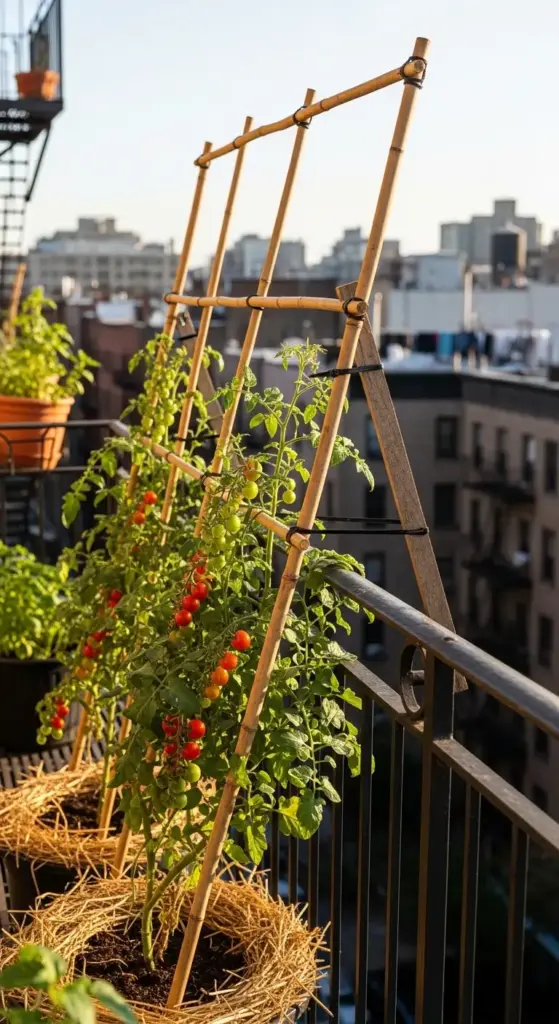
I’ll never forget the Chicago windstorm that turned my beautiful tomato trellis into a wobbly disaster.
One minute I had lush vines heavy with green fruit. The next? My entire structure was doing the cha-cha against my balcony railing.
Tomatoes everywhere. Soil everywhere. My dignity? Gone.
Urban gardening throws curveballs you’d never face in a suburban backyard. But I’ve learned fixes for every single one.
Taming the Wobble on Windy Days
Balconies and rooftops catch wind like sails. Your trellis will sway if not anchored properly.
My fix? Zip-tie the base of your structure to heavy patio furniture legs or railing posts. I use those heavy-duty black zip ties rated for 50 pounds—not the flimsy ones.
For in-ground trellises, drive a second stake at an angle behind the main post and lash them together with twine. Creates a buttress effect that laughs at gusts.
I once tried weighting my trellis base with decorative rocks in a planter. Cute idea—total failure when wind lifted the whole container. Learned to anchor down, not just weigh down.
Stop Soil Splash Before Disease Starts
Rain hitting bare soil beneath your trellis? That spray splashes fungal spores right onto lower leaves.
I lost an entire ‘Roma’ crop to early blight before realizing this simple fix: straw mulch.
Lay 2–3 inches of clean straw in a 12-inch circle around each plant base. It cushions raindrops and keeps soil where it belongs.
Avoid wood chips right next to stems—they hold too much moisture and invite rot. Straw breathes better. Plus it looks tidy under your vertical garden.
When Tomatoes Ripen All At Once (Yes, It Happens)
Late August hits and suddenly every single fruit decides to ripen simultaneously.
Your trellis groans. Stakes lean. Panic sets in.
Here’s my emergency protocol: harvest every tomato showing even a blush of color. They’ll finish ripening indoors on your counter.
Then reinforce mid-sections with extra horizontal rope or bamboo splints zip-tied gently to main stems. Takes 10 minutes and saves your entire structure.
I keep a “trellis emergency kit” in my gardening caddy: spare rope, zip ties, bamboo stakes, and soft plant tape. Worth its weight in gold when panic strikes.


Working Around Rental Rules & HOAs
My Dallas apartment complex once sent a notice saying “no structures over 36 inches tall” on balconies.
Ugh.
So I built a lean-to trellis that angles upward from the railing but never exceeds height limits when measured vertically. Used bungee cords instead of screws for zero wall damage.
For strict HOAs, try wall-mounted pocket planters that look like decor rather than garden infrastructure. Nobody complains about “art” holding tomato plants.
Always check rules before building. I learned this after constructing a gorgeous 6-foot obelisk my first week in a new place—had to tear it down three days later. So frustrating.
Mid-Season Fixes That Won’t Kill Your Plants
Snapped a stake in July? Don’t yank it out—that disturbs precious roots.
Instead, slide a new stake right beside the broken one. Gently tie the vine to the new support first, then remove the old piece.
For broken horizontal supports, weave a new rope strand above the break without removing the old one. The vine won’t even notice the transition.
I once used a wooden spoon from my kitchen to splint a cracked main stem during a heatwave. Wrapped it with old pantyhose. That plant produced tomatoes for another six weeks! Desperation breeds creativity.
Honestly, most trellis problems have 10-minute fixes if you stay calm. Your tomatoes are tougher than you think—they just need a little support when life gets heavy.
Ready to wrap this all up? In the conclusion, I’ll share my #1 mindset shift that transformed my small-space harvests—and a simple call-to-action that’ll have you building your dream trellis this weekend. No more dreaming—just doing.
Conclusion
Your small-space garden doesn’t have to mean small harvests—it just means getting creative with vertical real estate!
With these DIY trellis ideas, you’ll not only support heavy tomato yields but also craft a garden that reflects your personal style and makes the most of every inch.
Remember: the best trellis is the one you’ll actually build and maintain, so start simple and let your confidence grow alongside those vines.
Ready to get your hands dirty? Grab a few stakes and some twine this weekend—I promise you’ll be snipping fresh Caprese salad ingredients by August.
Tag me in your trellis transformations; I’d love to see your creations bloom!




GIPHY App Key not set. Please check settings