

 The Home Growns
Step-by-Step: Building a Stylish Rope-and-Post Trellis in Under an Hour
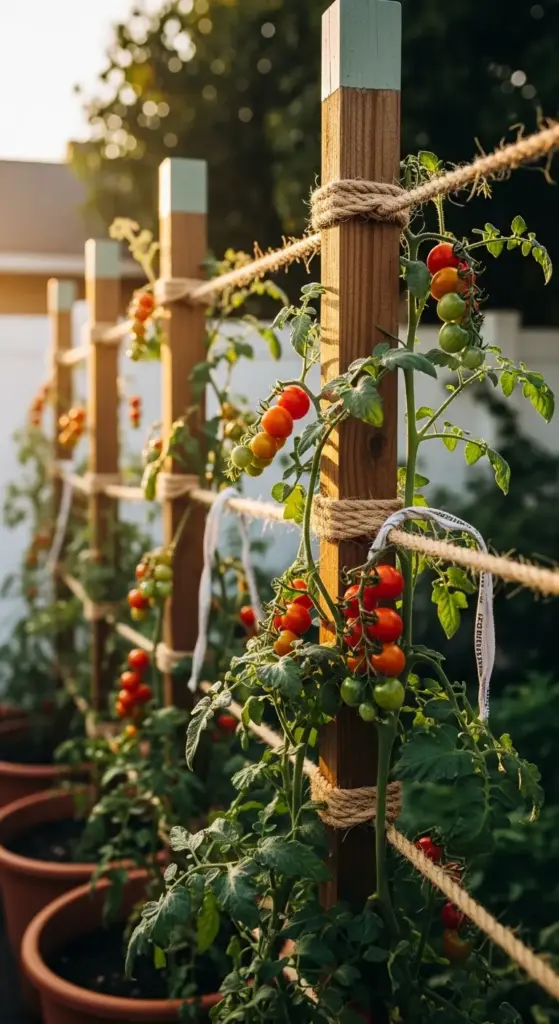
I built my first rope trellis on a whim during my daughter’s naptime in Chicago.
Figured I’d need half a day minimum.
Forty-seven minutes later, I was sipping iced tea beside a gorgeous vertical garden that cost less than takeout pizza. Game changer.
Gather Your Supplies (Seriously, That’s It)
Grab three 8-foot cedar stakes from the hardware store—they run about $4 each and won’t rot like pine.
Pick up a 50-foot spool of natural jute rope too. Avoid synthetic stuff—it gets slippery when wet and tomato tendrils can’t grip it well.
You’ll also need a mallet, measuring tape, and scissors. That’s literally all. No power tools, no fancy brackets.
Pro tip: Soak your rope in water for 10 minutes before weaving. Makes it more pliable and prevents fraying while you work.
Post Depth Makes or Breaks Your Trellis
Here’s where most folks mess up—they don’t bury posts deep enough.
For 8-foot stakes, hammer them 18 inches into the soil minimum. I use a rubber mallet so I don’t split the wood.
That extra depth keeps everything standing when vines get heavy with fruit after a rainstorm.
I learned this after my first attempt wobbled dangerously during a July thunderstorm. Tomatoes swaying like they were at a rock concert—not cute.
Weave Like You Mean It
Space your three stakes about 2 feet apart in a straight line.
Start weaving rope horizontally between them at 6-inch intervals—beginning 6 inches above soil level.
Don’t pull too tight. Leave a tiny bit of give so vines can wrap around naturally. Tomato tendrils actually seek out texture to cling to—that’s why rough jute works better than smooth twine.


I like doing a simple over-under pattern that looks intentional but takes zero skill. No fancy knots required—just tie off ends with a double knot and tuck the tails behind stakes.
Make It Yours With Personality
Plain rope gets the job done—but why not have fun with it?
I painted the top 12 inches of my stakes with outdoor chalk paint in dusty sage green. Instant cottage-core vibes.
Or try wrapping the top crosspiece with macramé knots using leftover rope. My friend in Seattle added tiny brass bells that chime softly in the breeze—so dreamy.
These little touches transform a functional garden support structure into something you actually want to look at all season.
Gentle Vine Training Saves Your Harvest
Never, ever use plastic zip ties on tomato stems. They cut into growth and cause scarring.
Instead, cut old t-shirts or bedsheets into 1-inch strips. Soft fabric stretches as stems thicken.
I tie a loose figure-eight around the vine and rope—never tight against the main stem. Check every week and loosen as plants grow.
Last summer I got lazy and used twine too tight on my ‘Sungold’ vines. Woke up one morning to snapped stems and heartbreak. Don’t be like me.
This simple rope trellis held 35 pounds of tomatoes through August heatwaves. All for under $25 and one episode of my favorite podcast.
Honestly? It’s the only support system I use now. Sturdy, beautiful, and crazy affordable.
Coming up next: my hard-won secrets for actually training tomatoes onto your trellis without breaking stems or losing your mind. Spoiler: it involves weekly “vine dates” and a trick with soft pantyhose that saved my entire heirloom crop last season.


GIPHY App Key not set. Please check settings