

 The Home Growns
Small Vegetable Gardens for Urban Women: Making It Work in Major Cities
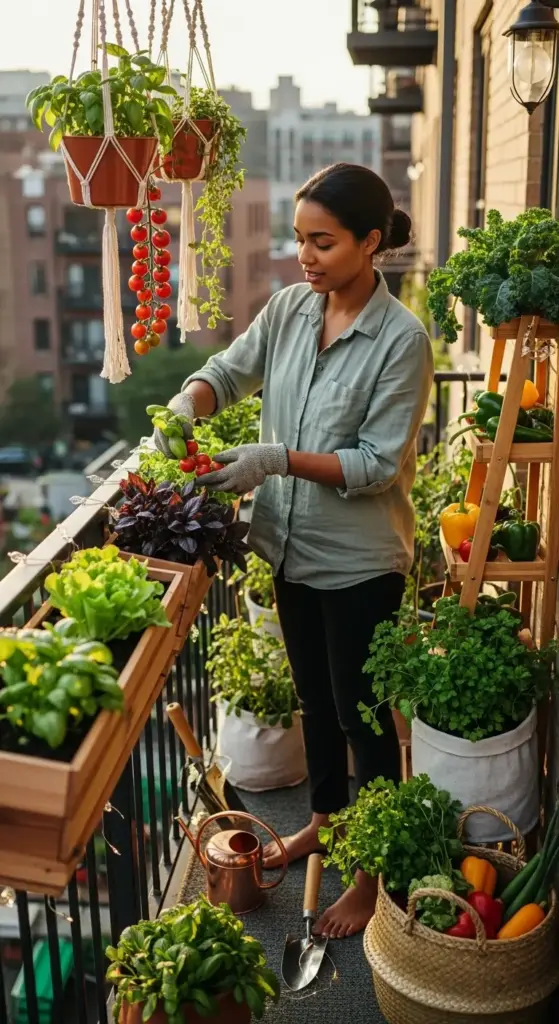
When I first tried urban vegetable gardening, I didn’t even have a yard.
Just a tiny apartment balcony and a lot of enthusiasm.
I honestly thought I needed a backyard to grow real food.
But after my first container of cherry tomatoes started producing, that belief went out the window.
City gardening is different, sure.
But it’s also creative, flexible, and kind of empowering.
You learn to work with the space you have.
Not the one you wish you had.
Growing Food in Apartments and Condos
My first apartment vegetable garden lived on a narrow balcony.
It was barely big enough for two chairs and a small table.
So I swapped the table for containers.
Instant garden.
Good beginner crops for indoor or balcony gardening:
- Cherry tomatoes
- Lettuce
- Basil
- Mint
- Peppers
One summer, I grew enough basil for fresh pesto every week.
All from a single pot by the railing.
It wasn’t a huge harvest.
But it felt amazing.
Dealing With Limited Sunlight
Sunlight is usually the biggest challenge in a city container garden.
Buildings block light in weird ways.
My balcony only got about four hours of sun.
At first, I kept trying to grow tomatoes there.
They grew tall, but the fruit was tiny and slow.
The space just wasn’t sunny enough.
So I switched to low-light vegetables:
- Lettuce
- Spinach
- Arugula
- Parsley
Suddenly, everything looked healthier.
Sometimes the trick is matching the plant to the light, not forcing it.
Using Balcony Rail Planters Safely
Rail planters are great for saving space.
But safety matters more than style.
I once used a cheap plastic planter that barely fit the railing.
One windy afternoon, it tipped forward.
Nothing fell, thankfully.
But it scared me enough to rethink the setup.
Now I always:
- Use secure brackets or locking systems
- Avoid overloading planters with heavy soil
- Check the railing strength first
A safe balcony garden is way more relaxing to care for.
Weather Considerations for Northern Cities
Cities like New York, Chicago, and Seattle come with cooler seasons and shorter growing windows.
Timing becomes super important.
A friend in Chicago once planted tomatoes in early April.
A surprise frost wiped them out in one night.


In cooler climates, it helps to:
- Wait until after the last frost
- Use cold frames or row covers
- Grow cool-season crops in spring and fall
Crops like kale, peas, and lettuce thrive in those conditions.
Sometimes better than in hot climates.
Heat Management for Southern Cities
On the flip side, places like Dallas and Atlanta deal with intense summer heat.
I visited a friend’s patio vegetable garden in Atlanta once, and the containers were almost too hot to touch.
Her lettuce wilted by mid-June.
It just couldn’t handle the heat.
To manage hot-weather gardening, we:
- Moved containers into partial shade
- Added mulch to keep soil cool
- Watered early in the morning
Switching to heat-tolerant crops like peppers and okra also helped.
Wind Protection in High-Rise Settings
High-rise balconies can get very windy.
Stronger than most people expect.
My first tomato plant snapped during a storm.
The stem just couldn’t handle the gusts.
Now I always add wind protection:
- Place taller plants near walls
- Use sturdy stakes or cages
- Add a simple wind screen if needed
Fabric pots also help because they’re heavier when filled.
They don’t tip over as easily.
Community Gardening Resources
If your apartment doesn’t allow a garden, community gardens are a great option.
They give you access to soil, space, and other gardeners.
I joined one for a season when I had no balcony.
It was one of the best learning experiences I’ve had.
People shared seeds, tools, and advice.
One neighbor taught me how to grow the sweetest cherry tomatoes I’d ever tasted.
Community gardens are perfect for:
- Apartment dwellers
- Beginners without space at home
- Anyone who wants a social gardening experience
And honestly, it’s nice to have garden friends.
Urban gardening isn’t about having perfect conditions.
It’s about making the most of the space you’ve got.
With the right plants, containers, and setup, even a small balcony can turn into a productive vegetable garden.
And those little harvests feel extra special when they come from a city space.
Conclusion
Small vegetable gardens aren’t just practical — they’re empowering. They bring beauty, nourishment, creativity, and calm into busy lives. Whether you’re designing a chic balcony garden in Los Angeles or building a raised bed in your Chicago backyard, the right layout makes all the difference.
Start small. Stay consistent. Experiment boldly! With smart planting strategies, thoughtful garden design, and the right supplies, you’ll be harvesting fresh vegetables sooner than you think. 🌿
Ready to design your own high-yield garden? Choose one layout from this guide and begin planning today!


GIPHY App Key not set. Please check settings