

 The Home Growns
Essential Gardening Supplies for High-Yield Success
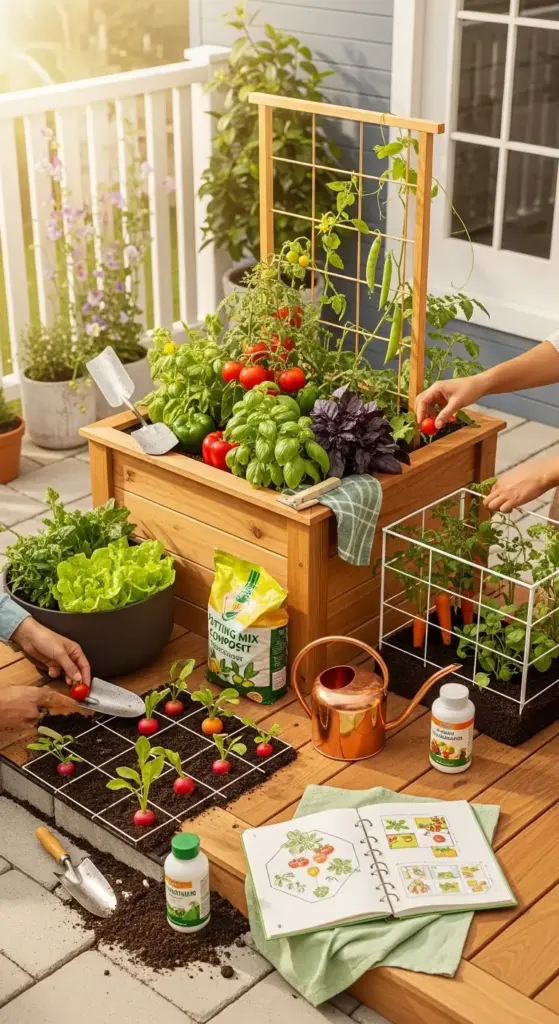
I used to think I needed every shiny tool in the garden center to grow a high-yield vegetable garden.
Turns out, most of it just collected dust in the shed.
My first season, I bought a fancy watering wand, decorative pots, and three different fertilizers.
The only thing that really mattered was the soil… and I cheaped out on that part.
Big mistake.
My tomatoes looked sad, the lettuce was bitter, and everything grew slower than it should’ve.
After a few seasons (and a lot of trial and error), I realized a small vegetable garden only needs a handful of solid, reliable supplies.
Not dozens. Just the right ones.
Quality Potting Soil and Compost
If there’s one place to spend money, it’s the soil.
Good potting soil is the foundation of any high-yield garden.
I once used cheap, dusty soil from a discount bin.
It turned into a hard crust after watering, and the roots could barely push through.
Now I always mix:
- High-quality potting mix
- Compost
- A little organic fertilizer
The difference is huge.
Plants grow faster, leaves stay greener, and harvests come sooner.
Healthy soil = healthy plants.
It sounds basic, but it’s so true.
Raised Bed Frames and Container Options
Your garden containers or raised bed frames matter more than you’d think.
Not for looks, but for root space.
I tried growing zucchini in a shallow container once.
The plant looked cramped and produced exactly two sad fruits.
Now I follow a simple rule:
- Leafy greens: 6–8 inches deep
- Herbs: 8–10 inches
- Tomatoes and peppers: 12–18 inches
More root space usually means more growth.
And more growth usually means more vegetables.
Hand Tools You’ll Actually Use
You don’t need a full tool set.
Honestly, I only use three things most days.
My must-have gardening tools:
- Hand trowel
- Pruners
- A sturdy pair of gloves
That’s it.
Everything else is optional.
I once bought a fancy multi-tool that promised to do everything.
It did nothing well and broke after one season.
Simple tools last longer.
And they’re less annoying to use.
Organic Fertilizer and Soil Amendments
At first, I was confused by fertilizers.
There were numbers, ratios, liquid feeds, slow-release pellets… it felt like chemistry class.
Eventually, I settled on a simple organic fertilizer routine.
Nothing fancy.
Here’s what worked best for me:
- Mix compost into the soil before planting
- Add organic fertilizer every 3–4 weeks
- Water it in well
Plants don’t need constant feeding.
But they do need steady nutrients to stay productive.
Watering Tools That Make Life Easier
Watering seems simple.
But the wrong setup can turn into a daily chore.
I used to drag a heavy watering can back and forth across the yard.
By midsummer, I was tired of it.
Switching to a soaker hose in my raised bed changed everything.
Watering went from 20 minutes to about five.
Good options for garden watering systems:
- Watering cans for small spaces
- Drip irrigation for raised beds
- Soaker hoses for consistent moisture
Less effort means you’re more likely to keep up with it.
Trellises and Vertical Supports
Vertical space is gold in a small space vegetable garden.
And I didn’t realize that until my cucumbers took over an entire bed.
They sprawled everywhere.
It looked like a green jungle.


The next season, I added a simple trellis.
Same number of plants, but double the harvest.
Best crops for vertical supports:
- Cucumbers
- Peas
- Pole beans
- Indeterminate tomatoes
It also keeps fruit cleaner and easier to pick.
Mulch for Moisture Retention
Mulch is one of those things I ignored at first.
It seemed optional.
But after a few hot weeks, my soil kept drying out.
Plants were stressed, and watering felt constant.
Adding a layer of organic mulch fixed that fast.
Now I always use:
- Straw
- Shredded leaves
- Untreated wood chips
Mulch helps:
- Retain moisture
- Reduce weeds
- Keep soil temperature stable
And the garden just looks nicer, too.
Organic Pest Control Solutions
Pests will show up.
It’s not a matter of if, but when.
My first aphid attack nearly wiped out an entire bed of kale.
I panicked and sprayed something way too strong.
The plants survived, but the leaves were damaged.
Lesson learned.
Now I stick to organic pest control:
- Neem oil spray
- Insecticidal soap
- Hand-picking larger pests
It’s gentler and works just fine if you stay consistent.
Seed Trays and Starter Kits
Starting seeds indoors can give you a big head start.
Especially for tomatoes, peppers, and herbs.
My first attempt was… rough.
I used random cups with no drainage.
Half the seedlings rotted.
The rest got leggy and weak.
Now I use simple seed starter trays with:
- Drainage holes
- Seed-starting mix
- A sunny window or grow light
Healthy seedlings lead to stronger, more productive plants later.
Garden Planner or Layout Grid
This might sound boring, but a garden planner changed everything for me.
No more guessing where things should go.
Before planning, I’d plant randomly.
Tall plants would shade small ones, and spacing was all wrong.
Now I sketch a simple layout before planting.
Just a quick grid on paper.
It helps with:
- Crop spacing
- Companion planting
- Succession planting
And the garden ends up looking more organized, too.
With the right supplies, gardening feels easier and more fun.
You spend less time fixing problems and more time harvesting.
But tools and soil only get you so far.
The real magic happens in the layout.
In the next section, we’ll break down 7 high-yield layouts for small vegetable gardens that can seriously boost your harvest.
Click the “next” button below to see which layout could double your yield this season. 🌱


GIPHY App Key not set. Please check settings