

 The Home Growns
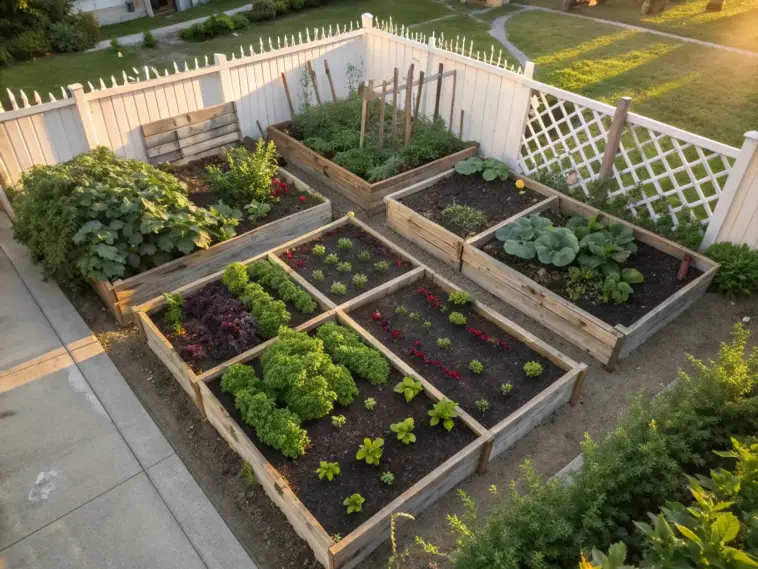
Did you know that even a 4×4 raised bed can feed a small family during peak season? Yes, really! 🌱
You don’t need acres of land to grow fresh, organic produce — just smart planning, the right layout, and a little confidence.
If you’re a busy woman balancing career, family, and maybe even city living in places like New York or Los Angeles, a small vegetable garden can be both a creative outlet and a wellness boost.
I’ve seen firsthand how a thoughtfully designed garden transforms balconies, backyards, and even tiny patios into beautiful, productive sanctuaries. And the best part? It’s beginner-friendly.
In this guide, we’ll explore 7 high-yield garden layouts, essential gardening supplies, planting strategies, and care tips to help you grow more food in less space — without feeling overwhelmed.
Why Small Vegetable Gardens Are Perfect for Beginners
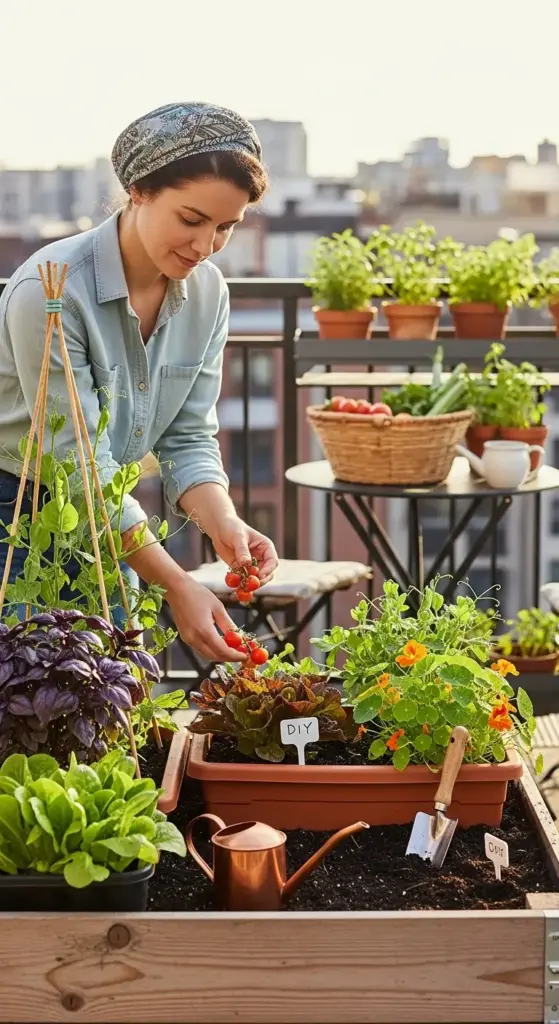
Lower Startup Costs That Won’t Break the Bank
When I built my first small vegetable garden, I spent less than $60 total.
No fancy irrigation system, no designer raised beds, just two container gardening tubs and a bag of potting soil.
I remember standing in the garden center, totally overwhelmed.
There were so many gardening supplies that I almost walked out empty-handed.
But here’s the thing nobody tells you: you don’t need most of that stuff.
A simple raised bed or a few containers, decent soil, and some beginner vegetables is more than enough.
My first setup was literally a plastic storage bin with holes drilled in the bottom.
Was it pretty? Not really. But those cherry tomatoes went wild.
Small gardens keep the costs low because:
- You buy less soil
- You use fewer tools
- You waste fewer seeds
- And mistakes don’t feel so expensive
I once planted six cucumber plants in a 3-foot box.
Total rookie move. They took over everything and the rest of the plants was basically smothered.
At least it only cost me about $8 in seeds.
Easier Garden Care (Seriously, Way Less Stress)
One of the biggest surprises was how much easier garden care became once I downsized.
A small space garden takes maybe 10–15 minutes a day, if that.
Back when I tried a full backyard plot, it felt like a second job.
Weeds everywhere. Bugs everywhere. My motivation was… gone.
With a compact vegetable garden, I can:
- Water everything with one small watering can
- Check for pests in under five minutes
- Harvest without even bending much
And honestly, less space means fewer problems.
It’s just easier to notice when something looks off.
One time my basil leaves started turning yellow.
Because the garden was small, the issue was spotted fast — turns out I was overwatering like crazy.
A small garden teaches you fast.
And those lessons stick.
Perfect for Urban and Suburban Homes
I’ve helped friends set up urban vegetable gardens on tiny balconies, and it’s kind of amazing what fits in a small area.
One friend in a third-floor apartment grew lettuce, peppers, and herbs in a balcony container garden the size of a coffee table.
Another friend had a raised bed garden in a narrow Chicago backyard.
It was only 4×6 feet, but it produced more tomatoes than she knew what to do with.
Small gardens work almost anywhere:
- Rooftops
- Patios
- Tiny backyards
- Even sunny kitchen windows
You don’t need perfect conditions.
You just need a little sun and a decent plan.


Less Weeding, Watering, and Pest Drama
This part is my favorite.
Fewer plants means fewer headaches.
In a high-yield small garden, the soil is usually better managed.
You’re not spreading yourself thin across a huge area.
Mulch one raised bed and you’re basically done.
Mulch a giant garden and you’ll be at it all weekend.
I remember pulling weeds for hours in a big plot years ago.
My back was sore, my hands were dirty, and the weeds still won.
In a small raised bed, weeds show up, sure.
But they can be handled in under five minutes.
Great for Creative, Design-Loving Gardeners
This is where small gardens really shine.
They’re not just productive — they can be beautiful.
I’ve seen vegetable garden design setups with:
- Color-coordinated containers
- Decorative trellises
- Edible flowers mixed with herbs
- Cute DIY plant markers
One of my favorite setups used white pots, lavender, and cherry tomatoes in a patio vegetable garden.
It looked like something out of a magazine.
Small gardens let you treat the space like a home decor project.
And honestly, that makes it more fun to maintain.
Faster Learning and Quick Wins
In a small garden, results show up fast.
You plant, you water, you wait a little… and boom, sprouts.
That first harvest feels like magic.
Even if it’s just a handful of radishes.
My first salad garden produced enough lettuce for two bowls.
It didn’t seem like much, but I was ridiculously proud of it.
Mistakes also show up fast.
But that’s actually a good thing.
You learn quicker, adjust quicker, and the garden improves with every season.
Flexible for Any Space or Lifestyle
The best part about small space gardening is how flexible it is.
You can switch from containers to a raised bed, or add a vertical trellis later.
Nothing feels permanent or intimidating.
It’s all very low pressure.
I’ve moved gardens from balconies to patios to backyards over the years.
The size changed, the containers changed, but the basics stayed the same.
And that’s the beauty of it.
A small garden grows with you.
Before you grab a shovel, though, there’s one big decision that can make or break your success.
In the next section, we’ll talk about how to choose the right garden type for your space — and why the wrong choice can totally wreck your harvest.
Click the “next” button below and let’s figure out the perfect setup for your home. 🌱


GIPHY App Key not set. Please check settings