

 The Home Growns
Which Bugs Does Natural Spray Work Best Against?
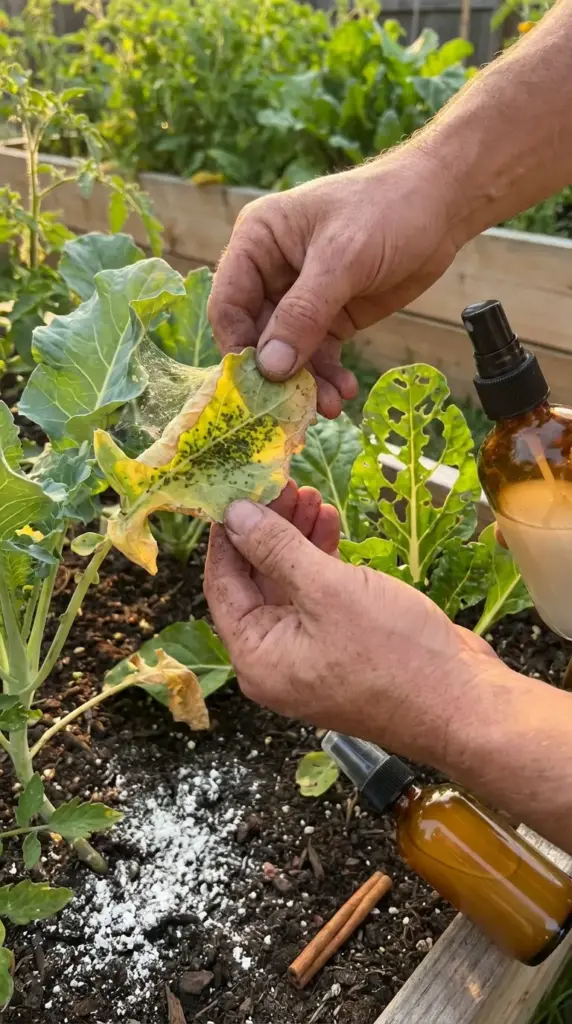
I’ll be real with you — one of my biggest early mistakes was treating every pest the same way.
I’d mix up a batch of whatever spray I had on hand and just go for it, hoping for the best. Sometimes it worked. A lot of times it didn’t. And I couldn’t figure out why until I actually took the time to learn which bugs respond to which treatments.
Turns out, pest control is a lot more specific than I thought.
Aphids, Whiteflies, and Spider Mites: The Usual Suspects
These three are hands-down the most common garden pests you’ll deal with, and the good news is they’re also the most responsive to natural sprays.
Aphids are tiny, pear-shaped insects that cluster on new growth and the undersides of leaves. They suck the sap right out of your plants, causing leaves to curl, yellow, and eventually drop. A single aphid can reproduce without mating, which means a small problem becomes a massive infestation shockingly fast — we’re talking hundreds of new aphids within days.
Best spray: Soap and water spray or neem oil emulsion. The soap breaks down their protective coating on contact, and neem oil disrupts their reproductive cycle so the infestation doesn’t keep coming back.
Whiteflies look exactly like what they sound like — tiny white flies that flutter up in a cloud when you disturb your plants. They’re sneaky because they hide on leaf undersides and are easy to miss until the damage is already done.
They excrete a sticky substance called honeydew that leads to sooty mold — a black, grimy coating on leaves that blocks sunlight and slows photosynthesis.
Best spray: Neem oil is your best weapon here, combined with yellow sticky traps to catch the adults. Spray every 3 days for two weeks to break the life cycle completely.
Spider mites are so small you almost need a magnifying glass to see them. What you will notice is the fine, silvery webbing they leave on leaves and the tiny yellow or bronze speckles that appear as they feed.
They thrive in hot, dry conditions — so if you’re gardening in Dallas or Atlanta during peak summer, keep an eye out.
Best spray: A strong soap and water spray works well, but adding a few drops of rosemary or eucalyptus essential oil makes it significantly more effective against mites specifically.
Fungus Gnats: The Annoying Little Menace
Fungus gnats are more of a nuisance than a serious threat — but their larvae can damage plant roots, especially in seedlings and container plants.
The adults are those tiny, mosquito-like flies you see hovering around your soil. They’re attracted to moist, organic-rich soil and lay their eggs just below the surface. The larvae hatch and feed on root hairs and organic matter, which can stunt plant growth significantly in young plants.
Best approach: Let your soil dry out between waterings — fungus gnats need consistently moist soil to thrive. Then use the apple cider vinegar trap from the previous section to catch adults, and drench your soil with a diluted neem oil solution (2 teaspoons per quart of water) to kill larvae below the surface.
I dealt with a bad fungus gnat infestation in my raised herb bed one spring. It took about three weeks of consistent treatment — sticky traps, soil drenching, and letting the top inch of soil dry completely between waterings — before they were fully gone.
Caterpillars and Beetles: When Sprays Work and When They Don’t
Here’s where I have to be honest with you — natural sprays have their limits.
Caterpillars and hard-bodied beetles are much more resistant to contact sprays than soft-bodied insects. Their protective exoskeletons don’t break down the same way, so soap sprays often do very little against them.
What actually works on caterpillars: The most effective organic treatment is Bacillus thuringiensis, commonly known as Bt. It’s a naturally occurring soil bacteria that’s toxic to caterpillar larvae when ingested but completely harmless to humans, pets, and beneficial insects. You can find it at most garden centers under brand names like Thuricide or DiPel.
Neem oil does have some effect on young caterpillar larvae — it disrupts their feeding behavior and growth — but it works best as a preventative before an infestation takes hold.


For beetles like Japanese beetles or cucumber beetles, hand-picking is honestly one of the most effective methods. I know that sounds tedious, but dropping them into a bucket of soapy water in the early morning — when they’re sluggish from the cool temperature — can make a real dent in the population fast.
Neem oil applied consistently can deter adult beetles from feeding and laying eggs, but don’t expect it to wipe out an existing infestation on its own.
Mosquitoes and Flying Insects: Protecting Your Garden Space
Mosquitoes don’t damage your plants — but they sure do damage your enjoyment of your garden, especially in humid cities like Atlanta, Washington DC, or Minneapolis during summer evenings.
The key to mosquito control is eliminating standing water — that’s where they breed. Even a bottle cap full of water is enough for mosquito larvae to develop. Check saucers under pots, birdbaths, and any low spots in your garden regularly.
For repelling mosquitoes around your garden space:
- Plant citronella, lavender, and lemon balm around seating areas
- Spray a peppermint and eucalyptus essential oil blend around garden borders and outdoor furniture
- Use cedarwood oil spray on fences, pots, and garden structures — mosquitoes hate it
A 2015 study published in the Journal of Vector Ecology found that lemon eucalyptus oil provided up to 95% protection against mosquitoes for up to three hours — comparable to low concentrations of DEET. That’s not nothing.
Ants: The Pest That Brings Other Pests With Them
Ants in the garden are a two-part problem, and most people only deal with half of it.
Yes, ants can damage plant roots and invade your home. But the bigger issue is that ants actively farm aphids. They protect aphid colonies from predators and even move them to new plants — all so they can harvest the honeydew aphids produce. It’s a whole operation.
So if you’ve got an ant problem, there’s a good chance you’ve got an aphid problem too — or you’re about to.
Best approach:
- Use the vinegar and peppermint spray along garden borders and ant trails
- Sprinkle diatomaceous earth around the base of plants — it’s a fine powder made from fossilized algae that damages the exoskeletons of crawling insects without harming plants or soil
- Cinnamon powder sprinkled around entry points disrupts ant scent trails effectively and is completely non-toxic
Deal with the ants, and you’ll often see your aphid problem improve at the same time.
How to Identify Pest Damage Before You Spray Anything
This is the step most people skip — and it’s the most important one.
Spraying the wrong treatment wastes your time, your homemade spray, and can sometimes make things worse by killing beneficial insects that were actually helping you.
Here’s a quick damage identification guide I’ve built up over time:
- Tiny holes in leaves with ragged edges → likely caterpillars or beetles — skip the soap spray, go for Bt or hand-picking
- Yellowing, curling leaves with sticky residue → aphids or whiteflies — soap spray or neem oil
- Fine silvery webbing on leaves → spider mites — soap spray with rosemary oil
- Wilting seedlings with no visible above-ground damage → fungus gnat larvae attacking roots — neem oil soil drench
- Chewed leaf edges, especially on beans and cucumbers → cucumber beetles — neem oil preventative plus row covers
- Sticky black coating on leaves → sooty mold from honeydew — treat the aphids or whiteflies causing it first, then wipe leaves with diluted soap solution
When in doubt, flip the leaf over. Most pests hide on the underside, and that’s usually where you’ll find your answer.
Now that you know your enemy, it’s time to talk strategy.
In the next section, we’re covering exactly how and when to apply your natural bug sprays for maximum effectiveness — because even the best recipe won’t work if you’re spraying at the wrong time or missing the spots that matter most.
👉 Click the Next button below — a few simple application tricks can literally double how well your sprays perform! 🌿🕐



GIPHY App Key not set. Please check settings