

 The Home Growns
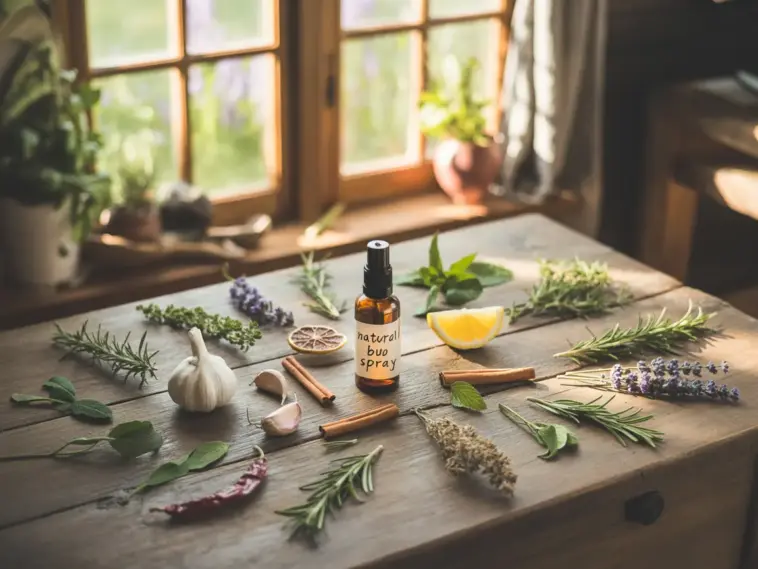
Did you know that over 1 billion pounds of pesticides are used in the U.S. every year — and a huge chunk ends up in our soil, water, and food?
Yeah, that’s a lot. As more women across cities like New York, Chicago, and Seattle are reclaiming their outdoor spaces and building beautiful, thriving gardens, the shift toward organic, chemical-free gardening has never been stronger. And honestly? It makes total sense.
Whether you’re nurturing a cozy balcony herb garden in Los Angeles or tending a full backyard plot in Atlanta, pesky bugs can feel like your worst enemy.
But here’s the good news — you don’t need a trip to the hardware store or a cabinet full of toxic sprays to win the battle. The solution might already be sitting in your kitchen!
In this guide, we’re diving deep into the world of organic garden remedies. I’ll walk you through easy, effective, and budget-friendly natural bug sprays you can whip up at home — using ingredients you probably already have.
Let’s protect your garden the smart, safe, and stylish way. 🌿
Why Natural Bug Spray Is a Game-Changer for Your Garden
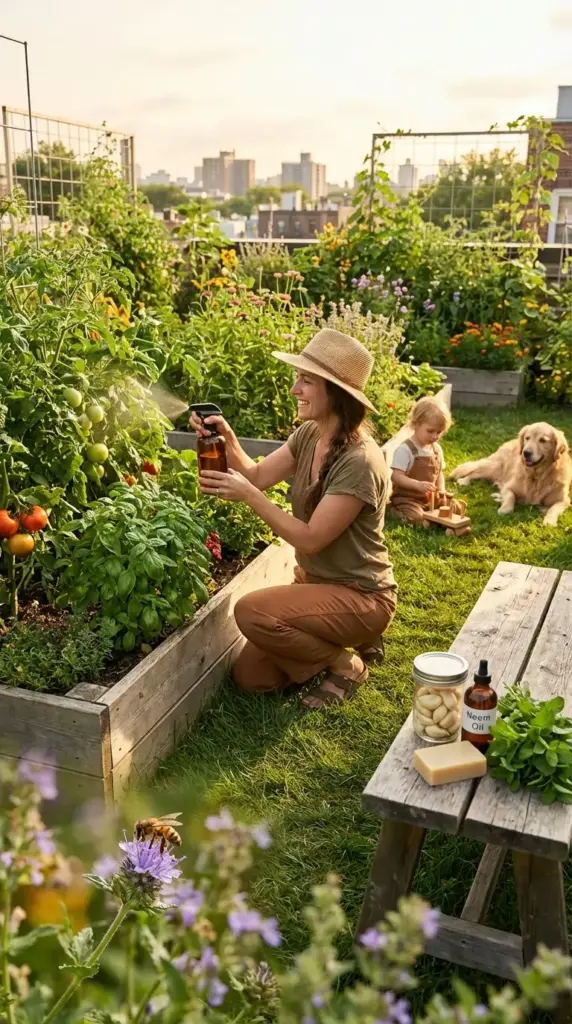
I’ll be honest — I used to grab whatever pesticide spray was on sale at the hardware store without thinking twice about it.
It wasn’t until I noticed my tomato plants looking sad and wilted even after I’d treated them that I started asking questions. Turns out, I was doing more harm than good.
The Dirty Truth About Synthetic Pesticides
Here’s something that stopped me in my tracks: synthetic pesticides can linger in your soil for months — sometimes years.
A study by the U.S. Geological Survey found that pesticide residues were detected in over 90% of water and fish samples taken from streams across the country. That’s not just a gardening problem. That’s a us problem.
And it’s not just the soil and water. Pollinators like bees and butterflies are taking a serious hit. The use of neonicotinoids — a common class of synthetic insecticides — has been directly linked to colony collapse disorder in honeybees. No bees, no pollination. No pollination, no garden. It’s that simple.
I didn’t fully connect those dots until I noticed fewer bees buzzing around my garden one summer. That was my wake-up call.
Why So Many Home Gardeners Are Going Organic
Organic gardening isn’t just a trend — it’s a movement, and it’s growing fast, especially in cities like New York, Chicago, and Los Angeles where people are reclaiming small outdoor spaces and rooftop gardens.
The National Gardening Association reported that over 18 million new households started gardening in recent years, with a huge chunk of them leaning toward organic methods from the start. These aren’t just hippies with herb gardens. These are busy moms, apartment dwellers, and design-savvy homeowners who want beautiful, healthy spaces without the chemical baggage.


And honestly? I get it. Once you start thinking about what’s going into your soil, you can’t really stop.
It’s Safer for Your Kids, Your Pets, and Your Peace of Mind
This one hits different when you’ve got little ones running around the backyard.
Many common pesticides contain organophosphates, which have been linked to developmental issues in children with repeated exposure. The EPA has flagged several of these compounds as “potential human carcinogens.” That’s not something I want anywhere near my family.
The same goes for pets. Dogs and cats walk through treated grass, lick their paws, and absorb whatever’s been sprayed. Natural bug sprays made from ingredients like neem oil, peppermint, and diluted dish soap carry none of those risks.
My dog used to get itchy paws every spring. After I switched to organic pest control methods, that problem basically disappeared. Coincidence? Maybe. But I’m not going back.
Homemade Remedies Fit Right Into a Healthy Lifestyle
If you’re already into clean eating, non-toxic home products, or DIY beauty and skincare, then natural garden remedies are just the next logical step.
It’s all connected, really. The same mindset that makes you read ingredient labels on your food is the one that should make you question what you’re spraying on the plants that grow your food.
Essential oils, garlic, vinegar, and castile soap — these aren’t exotic ingredients. They’re things you probably already have in your kitchen or bathroom cabinet. Using them in your garden just makes sense.
Let’s Talk About the Money
Okay, real talk — a bottle of name-brand pesticide spray can run you $15 to $30, and you’ll burn through it fast if you’ve got a decent-sized garden.
A homemade garlic and dish soap spray costs pennies per batch. A neem oil concentrate — which is one of the most effective organic pesticides out there — runs about $10 to $15 and can be diluted to make dozens of spray bottles worth of solution.
Over a single growing season, I’ve saved well over $100 just by making my own sprays. That’s money I’d rather spend on new plants, better soil, or honestly, a nice dinner.
Ready to actually make these sprays yourself? In the next section, we’re getting into the good stuff — the exact household ingredients that repel bugs the best, how they work, and why some of them are surprisingly more powerful than anything you’d find on a store shelf.
👉 Hit the Next button below to keep reading — you might already have everything you need sitting in your kitchen right now!


GIPHY App Key not set. Please check settings