

 The Home Growns
Troubleshooting Common Hydrangea Heartbreaks
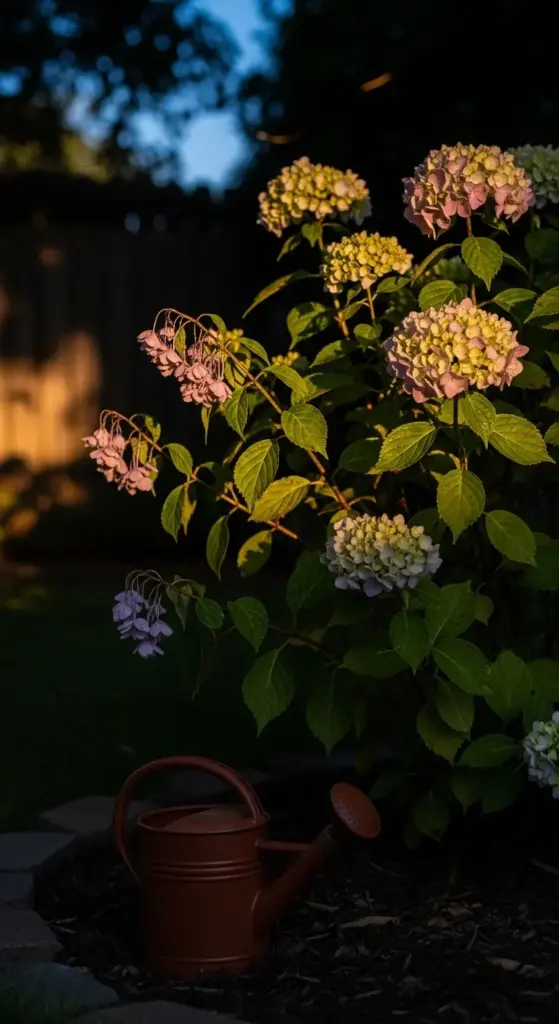
Last July, I came home from a weekend trip to find my prized ‘Endless Summer’ looking like it had given up on life entirely.
Crispy brown edges. Drooping stems. My heart actually sank. I’d killed it. Again.
But my gardening mentor sent one text: “Water it deeply and wait until tomorrow morning.” Sure enough—by sunrise, it was perky again. Hydrangeas wilt dramatically in afternoon heat as a survival tactic. They’re usually fine by morning. Don’t panic-water them into root rot like I almost did!
Yellow Leaves: What Your Plant’s Trying to Tell You
Yellow leaves drove me nuts until I learned to read the patterns.
Uniform yellowing on older leaves usually means overwatering. Check your soil—if it’s soggy three days after rain, you’ve got drainage issues. My Chicago clay taught me this the hard way.
Yellow leaves with green veins? Classic iron deficiency. Happens when soil pH runs too alkaline for mopheads. A chelated iron spray fixed mine in two weeks.
And yeah—some yellowing in fall is totally normal. Hydrangeas are deciduous shrubs. They’re supposed to look tired before winter. Don’t fight nature.
The Mystery of Missing Blooms
No flowers after a whole season of care feels like a personal betrayal. Been there.
First suspect: improper pruning. If you chopped old-wood hydrangeas in spring, you literally cut off all the flower buds. Ouch. Wait until after they bloom next summer.
Second culprit: too much shade. Hydrangeas need at least 4–6 hours of morning sun for decent flowering. My DC friend’s plants under dense maples stayed leafy but bloomless for years.
Third: excessive nitrogen fertilizer. That lush green growth? It came at the expense of flowers. Switch to a bloom-boosting formula (higher phosphorus) next spring.
Winter damage kills buds on old-wood types too. If your Minneapolis temps dipped below -10°F, those buds froze solid. Panicle hydrangeas won’t have this problem—they bloom on new growth.


Gentle Pest Solutions That Actually Work
Aphids love tender hydrangea shoots. I used to reach for harsh sprays until I learned ladybugs eat 50 aphids per day.
Now I just spray affected stems with a strong jet of water every morning for three days. Dislodges the bugs without harming bees or butterflies.
Spider mites show up as tiny dots on leaf undersides during dry spells. My Seattle friend taught me the newspaper trick: hold white paper under leaves and tap stems. If red specks fall and move? Mites.
Spray leaves top and bottom with diluted neem oil at dusk. Never in direct sun—you’ll burn foliage. And always test on one leaf first.
Heatwave Recovery Protocol
When Dallas hit 108°F last August, my hydrangeas looked dead by 3 p.m. daily.
Here’s my revival routine: Water deeply at sunrise until soil stays moist 3 inches down. Then apply a thick layer of mulch to lock in that moisture.
Never fertilize stressed plants—that burns roots. And resist pruning crispy leaves until fall; they still protect inner stems.
Within 48 hours of consistent morning watering, new growth emerged from the base. Hydrangeas are tougher than they look!
Honestly? Most hydrangea problems come from over-loving them. Too much water, too much fertilizer, too much pruning. Sometimes the best care is stepping back and letting them breathe.
And when your plants finally thrive—oh, the possibilities! Next up: how to style those gorgeous blooms in wedding bouquets, entryway containers, and small-space gardens that’ll make your Instagram followers swoon…




GIPHY App Key not set. Please check settings