

 The Home Growns
Watering and Feeding for Lush, Instagram-Worthy Blooms
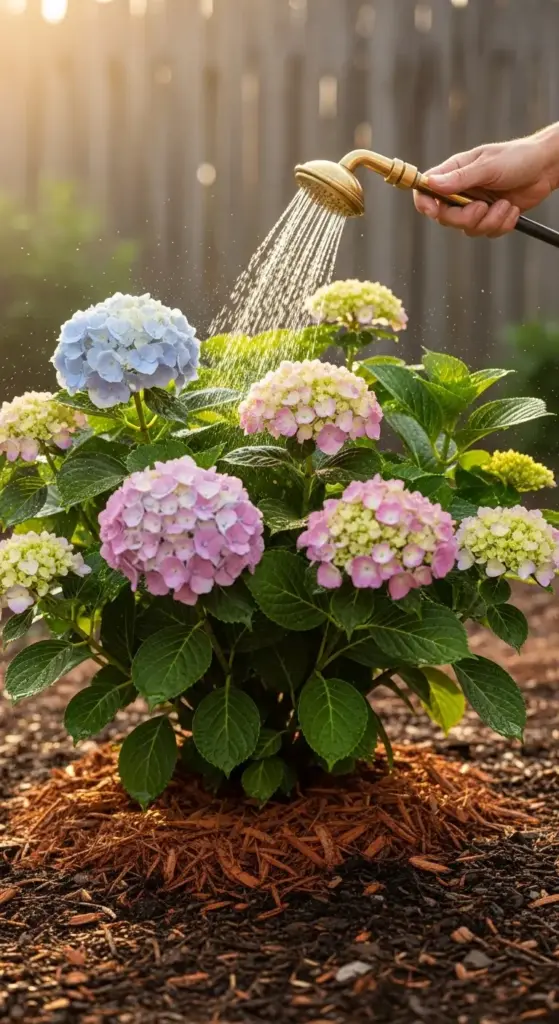
I’ll never forget the summer my hydrangeas staged a dramatic wilt-fest at 2 p.m. on a Tuesday.
I panicked and drowned them. Next morning? Still wilted.
Turns out they were just heat-drooping—a totally normal afternoon nap in Dallas-level heat. By overwatering, I nearly gave them root rot. Oops.
The Finger Test Changed My Life
Stick your index finger two inches into the soil near the base. Not the mulch—the actual dirt.
If it feels dry? Water deeply until you see moisture seep from container drainage holes or puddle slowly in garden beds.
If it’s damp? Walk away. Seriously. Hydrangeas would rather be slightly thirsty than sit in soggy soil for hours.
I check mine every morning with my coffee. Takes ten seconds. Saves plants.
Why Morning Watering Wins Every Time
Watering at dusk seems romantic. But in humid Atlanta or Seattle summers, wet leaves overnight invite fungal diseases like powdery mildew.
Morning watering lets foliage dry quickly in the sun. Plus, plants absorb moisture more efficiently before the heat hits.
During LA heatwaves, I sometimes give a light midday spray just on the leaves to cool them down. But the real drink always happens at sunrise.
My secret weapon? A watering wand with a gentle shower head. No soil erosion, no splashed mud on blooms. Your future Instagram photos will thank you.


Fertilizer Simplicity for Busy People
I used to follow complicated feeding schedules with three different bottles. Total waste of time and money.
Now? One application of balanced slow-release fertilizer (like 10-10-10) in early spring when new leaves emerge. That’s it.
Avoid high-nitrogen formulas—they create leafy monsters with zero flowers. Learned that after a whole season of green nothingness.
Organic folks love compost tea or Espoma Plant-Tone. Works beautifully. Just don’t overdo it—hydrangeas aren’t heavy feeders like roses.
Mulch Is Your Urban Garden’s Best Friend
Two to three inches of shredded bark or pine straw around the base (but not touching the stem!) works magic.
It keeps roots cool when concrete radiates heat in NYC or Philly summers. Conserves moisture so you’re not watering daily. And slowly breaks down to feed the soil.
I refresh my mulch layer each spring. My Minneapolis hydrangeas barely notice winter thanks to this insulating blanket.
Skip dyed mulches—they can leach weird chemicals. Natural cedar or hardwood looks prettier anyway in garden photos.
Honestly? Perfect watering and feeding creates such lush foliage that your blooms look professional even before the color magic begins.
And about that color magic—next up we’re unlocking hydrangea’s coolest party trick: turning pink blooms blue (or vice versa) with simple soil tweaks. Get ready to impress every guest at your next garden party…



GIPHY App Key not set. Please check settings