

 The Home Growns
Planting Hyacinths Outdoors for Year-Round Beauty
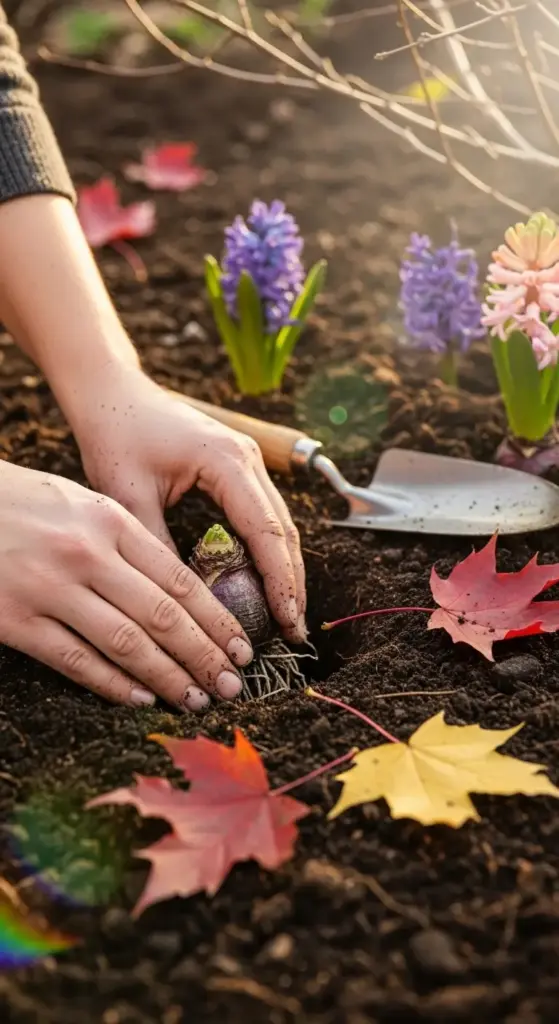
I’ll admit—I was nervous my first time planting bulbs outside.
What if I buried them upside down? What if squirrels treated them like a snack bar? What if they just… never came back?
Turns out, outdoor hyacinths are tougher than they look. And way more rewarding than indoor forcing because they come back year after year.
Let me show you how to get it right the first time.
Timing Is Everything (But Forgiving!)
Aim to plant hyacinth bulbs in early to mid-fall—September through November depending on your zone.
The sweet spot? When nighttime temps hover around 40–50°F but before the ground freezes solid. That gives roots time to establish without triggering premature sprouting.
I live in a zone 6 area, so I shoot for mid-October. My friend in Atlanta (zone 8) waits until late November. Gardeners in Minneapolis? They’re planting by late September. Just Google “your zip code + planting zone” if you’re unsure—it takes ten seconds.
Find the Sunny Sweet Spot
Hyacinths crave at least six hours of direct sun daily for their fullest blooms.
I made the mistake of planting a batch under a maple tree my first year. They leafed out fine but produced these sad, half-formed flower spikes. Moved them to a sunnier bed the next fall? Total transformation—thick columns of fragrant blooms.
That said, afternoon shade in hot climates (looking at you, Dallas and Atlanta!) actually helps prolong bloom time. Just don’t tuck them in deep shade—that’s a one-way ticket to disappointment.
Prep Your Soil Like a Pro
Here’s the #1 killer of outdoor hyacinths: soggy soil.
These bulbs absolutely hate wet feet in winter. If your yard has heavy clay (common in Chicago and Seattle), mix in a generous scoop of compost or aged leaf mold before planting. I aim for a 50/50 blend in problem spots.


Raised beds solve this beautifully for urban gardeners. My sister in Brooklyn grows stunning hyacinths in a 12-inch-deep planter on her fire escape—just used quality bagged mix with extra perlite for drainage.
Planting Depth & Spacing Secrets
Dig holes 6 to 8 inches deep—measure from the bulb’s base to soil surface.
Space bulbs 4 to 6 inches apart in loose, natural-looking drifts rather than soldier-straight rows. Trust me, that organic grouping creates way more visual impact come spring.
Pointy end up, flat root end down. Seems obvious, but I’ve seen beginners plant them sideways! They’ll still grow (hyacinths are stubborn like that), but you’ll get crooked stems.
After planting, water thoroughly once to settle the soil. Then? Leave them alone until spring. No babying required.
Play Well With Others
Hyacinths look magical paired with other spring flowering bulbs.
I plant mine in layers: daffodils deepest (8 inches), then hyacinths at 6 inches, then crocus sprinkled on top. Creates this beautiful staggered bloom sequence from March through May.
Tuck low-growing pansies around the planting area once sprouts emerge—they hide fading hyacinth foliage later while adding instant color. It’s a simple garden design trick that makes your beds look intentional from day one.
Honestly, planting hyacinths outdoors feels like tucking little promises into the earth. You tuck them in during crisp fall days, forget about them through winter’s gray… then bam—rainbow spikes pushing through thawing soil when you need hope most.
And the best part? Once established, they’ll multiply slowly over years, giving you more blooms each spring without lifting a finger.
Ready to keep those blooms looking lush all season? Next up, I’m sharing my simple hyacinth care essentials—including the one post-bloom mistake 90% of beginners make (hint: it involves scissors and good intentions!). 👇


GIPHY App Key not set. Please check settings