

 The Home Growns
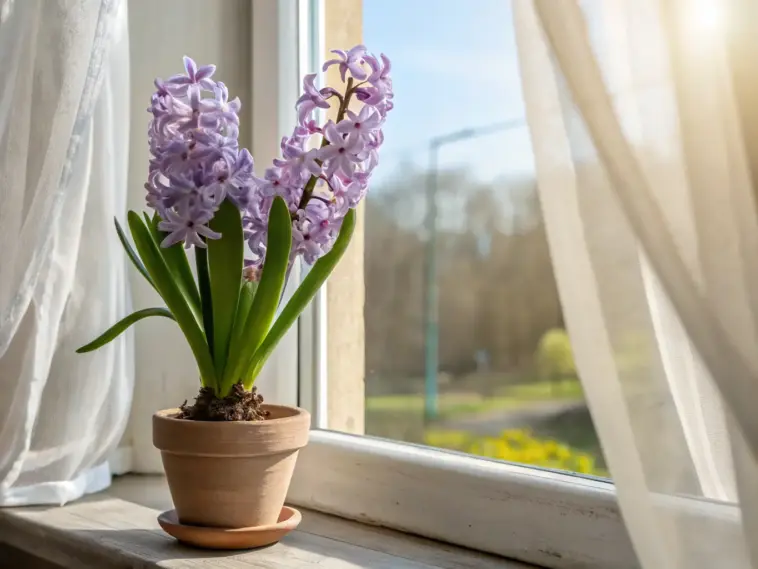
There’s nothing quite like the intoxicating fragrance of hyacinths blooming on your windowsill in February—when winter still has its icy grip on the city outside!
Did you know a single hyacinth bulb can produce up to 50 tiny, bell-shaped flowers in a stunning color column?
Whether you’re a New York apartment dweller craving a pop of spring color or a Seattle gardener dreaming of cottage-core charm, hyacinths are your secret weapon.
I fell in love with these easy-care blooms years ago when I forced my first bulb in a mason jar—and let me tell you, the “wow” factor is real. No green thumb required!
In this guide, I’ll walk you through every step (yes, even the messy ones) to grow lush, fragrant hyacinths that’ll make your Instagram feed—and your home—bloom with joy.
Why Hyacinths Are Perfect for Beginner Gardeners
Let me tell you about my first attempt at growing anything remotely floral.
I killed a succulent. Twice.
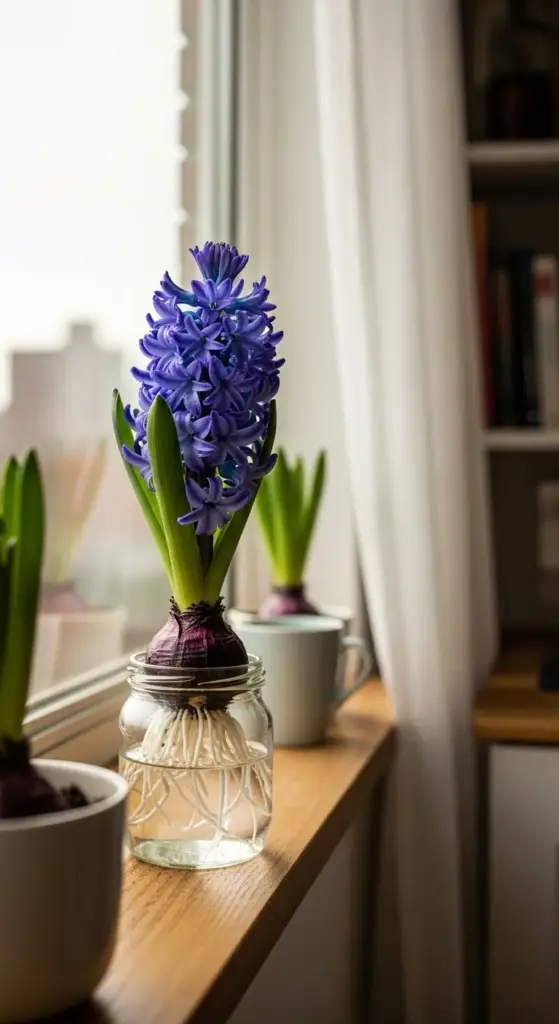
So when my friend handed me a lumpy brown hyacinth bulb one January and said “just stick this in a jar with water,” I was skeptical. Like, really skeptical.
But two months later? I was staring at a tower of sapphire-blue flowers filling my entire apartment with this honey-vanilla scent that made my mail carrier actually comment on how amazing my hallway smelled. No joke.
That’s the magic of hyacinths—they’re basically the training wheels of the flower world.
You Get Fast, Gorgeous Results
Unlike roses or orchids that make you wait forever, hyacinths deliver serious payoff fast.
When you force bulbs indoors starting in January, you’ll see shoots in about 3–4 weeks after their chilling period ends. Then blooms pop open just 2–3 weeks after that.
I remember checking my bulb daily like it was a pet rock. Then one Tuesday morning—bam—a tiny green spike had pushed through! I actually did a little happy dance right there in my slippers.
Compare that to planting a perennial garden that might take a full season to look decent. Hyacinths give you that instant gratification we all secretly crave.


They’re Shockingly Forgiving
Here’s what I learned the hard way with other plants: overwatering is my superpower. Like, I drown things with love.
But hyacinths? They actually prefer to dry out slightly between waterings when grown in soil. And when forced in water? You just keep the water level touching the bulb’s base roots—no guesswork.
I once forgot about my hyacinth jar for ten days while traveling. Came back expecting a mushy disaster. Nope. Still thriving. Still fragrant. Still making my tiny New York apartment feel like a countryside cottage.
That kind of resilience is gold for beginners juggling work, kids, or just life being life.
Tiny Space? No Problem.
My first hyacinth grew on a windowsill barely six inches wide.
You don’t need a backyard or even a fire escape garden. A single bulb in a pretty ceramic pot becomes instant home decor that actually does something—unlike that dusty fiddle leaf fig your sister-in-law gave you.
Try clustering three small pots on a bathroom vanity. Or tuck one beside your coffee maker for morning fragrance therapy. These flowers work hard for their square inch of space.
That Fragrance Factor Is Real
I’m not exaggerating when I say one hyacinth can scent an entire room.
It’s this rich, sweet-but-not-cloying perfume that makes your space feel intentional and cared for. Way better than spraying aerosol air freshener everywhere.
My daughter started calling our living room “the flower room” every spring. Best compliment ever.
So yeah—hyacinths won’t judge you if you forget to water them once. They’ll bloom quickly enough to keep you motivated. And they’ll make your space smell like a high-end spa without any effort.
Honestly? If I can grow these—and I’ve killed cacti—you absolutely can too.
Ready to pick your perfect bulb? Next up, I’ll walk you through choosing varieties that match your style (and won’t disappoint when they bloom!). Trust me—you’ll want to see the color options before you buy. 👇

GIPHY App Key not set. Please check settings