

 The Home Growns
Troubleshooting Common Daffodil Problems
I’ll never forget the spring my daffodils sent up lush green leaves… and zero flowers.
Just a sea of sad green spears waving in the breeze. I actually cried into my gardening gloves. Turns out I’d made the classic newbie mistake—cutting back last year’s foliage too early. Whoops.
When Bulbs Go Mute (No Blooms)
Crowded bulbs are the usual suspect when daffodils stop flowering.
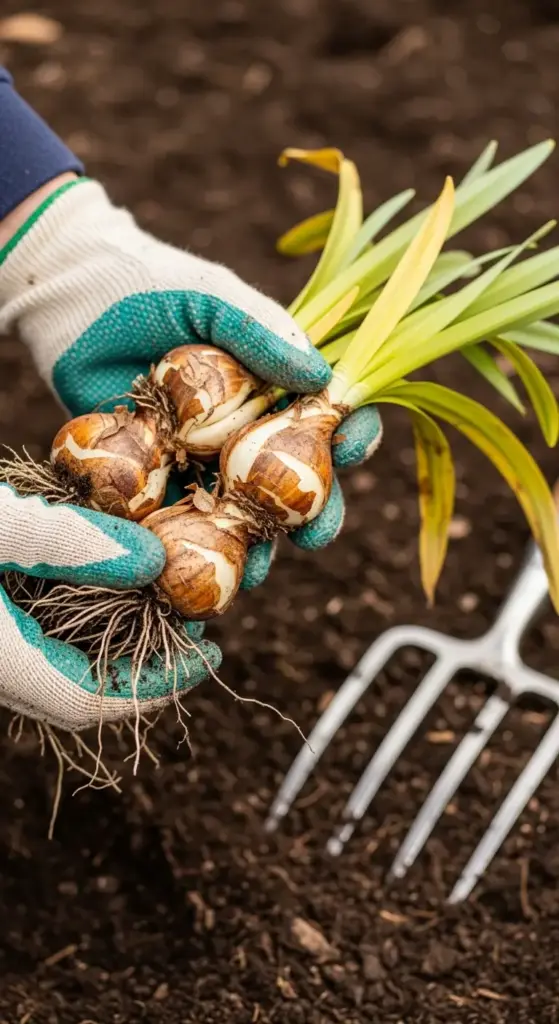
After 3–4 years, they multiply underground until they’re basically holding a packed subway car party down there. No room to breathe means no energy for blooms. The fix? Dividing daffodil bulbs in late summer after foliage fully yellows. Just dig gently, separate the baby bulbs, and replant with 4–6 inches between them. My Chicago garden bounced back beautifully the next spring—like the bulbs had been waiting for a spa day.
Shallow planting causes problems too.
If bulbs aren’t buried three times their height deep, they get confused by temperature swings and skip blooming. I learned this after a squirrel dug up half my patch—turns out he’d done me a favor by revealing my lazy planting depth. Replanted properly, and boom: flowers returned.
Pest Problems That Won’t Scare You
Narcissus bulb fly sounds terrifying—but it’s actually easy to outsmart.
These sneaky pests lay eggs near bulbs in spring. The larvae munch underground, causing mushy, failed blooms. My organic fix? A thick mulch layer after planting deters egg-laying adults. And if you spot suspiciously soft bulbs while dividing? Toss them immediately—don’t compost. Prevention beats cure every time.
Basal rot shows up as yellowing leaves that collapse early.
Usually happens in poorly drained soil—like my clay-heavy Detroit garden one soggy spring. Now I mix compost into planting holes for better drainage. Bulbs sitting in water basically drown, and rot moves in. Simple fix: when in doubt, plant slightly higher in the bed so water runs away from them.


Floppy Stems? Not Cute.
Weak, bending stems usually mean too much shade or overwatering.
Daffodils need at least 6 hours of sun to build strong necks. I moved a floppy patch from under my maple tree to a sunnier spot—huge difference. For emergency support, I tuck thin bamboo stakes behind stems so they’re hidden. Or plant tall companions like tulips nearby to prop them up naturally. No one needs to see your garden’s training wheels.
Saving Overcrowded Clumps (Without Losing Your Mind)
That neglected patch by my garage? Looked pathetic until I divided it.
Wait until foliage turns completely yellow—usually late June. Dig carefully with a garden fork (not a shovel—less bulb damage). Gently pull apart clusters, brush off soil, and replant immediately or dry in a shady spot for fall planting. Divided bulbs might skip a year of blooming while they recover, but they’ll come back stronger. Patience, grasshopper.
Pots in Freezing Zones Need Love
My Minneapolis friend lost every potted daffodil one winter.
Freeze-thaw cycles cracked her containers and froze bulbs solid. Now she moves pots against the house foundation (protected but still cold enough for chilling) and wraps them in bubble wrap. Or she sinks pots into the ground over winter—easier than you’d think! Just dig a hole, drop the pot in, and mulch heavily. Bulbs get their chill without the deadly thaw-refreeze drama.
Honestly, most daffodil problems come from overthinking things. These tough cookies just need space, sun, and patience with their messy post-bloom phase. Get those basics right and they’ll reward you for years.
Ready to garden with a lighter footprint? Next up: my favorite sustainable daffodil practices—from supporting pollinators to safely composting toxic foliage (yes, it’s possible!) and why these cheerful blooms are secretly eco-warriors in your yard. You’ll never feel guilty about buying bulbs again… 👇



GIPHY App Key not set. Please check settings