

 The Home Growns
Designing with Daffodils: From Garden Beds to Tablescapes
I used to think garden design was for fancy landscape architects with degrees.
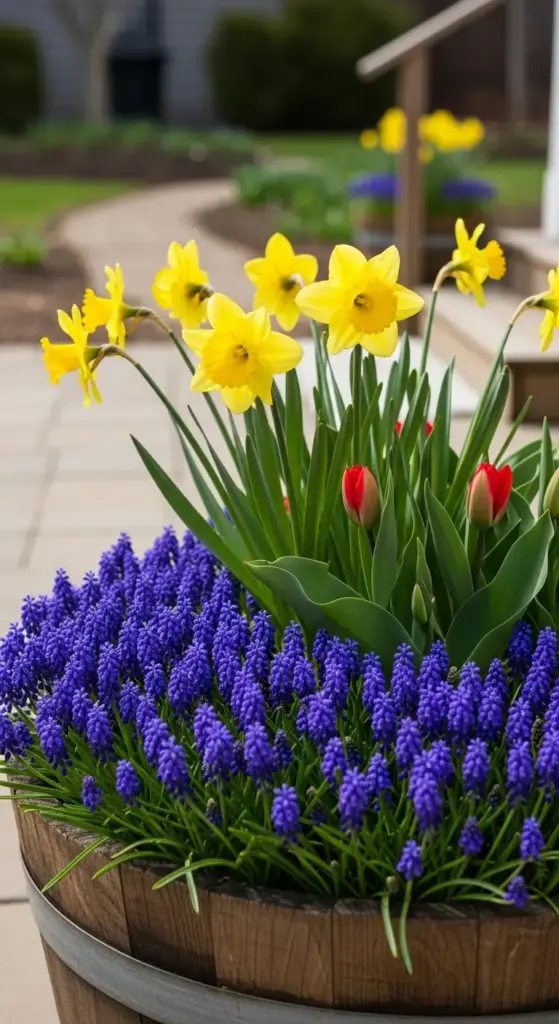
Then I accidentally created the most photographed corner of my yard by planting daffodils next to purple grape hyacinths. My phone blew up with neighbor texts asking who designed it. Turns out color theory isn’t rocket science—it’s just knowing what makes your eyes happy.
The Magic Color Combo You Need
Yellow and purple aren’t just pretty together—they’re science.
They sit opposite each other on the color wheel, which means they make each other pop like crazy. I planted ‘Dutch Master’ daffodils beside muscari one year on a whim. When they bloomed together? Jaw-dropping. Like sunshine and twilight holding hands.
Try ‘Ice Follies’ (creamy white daffs) with blue forget-me-nots for something softer. Or go bold with orange-centered ‘Tahiti’ next to deep violet pansies. Your garden suddenly looks designed even if you just tossed bulbs randomly. Which… let’s be honest, we’ve all done.
Lasagna Planting for Tiny Spaces
My Seattle friend has a balcony the size of a closet.
Yet every spring she has blooms for months. Her secret? Lasagna planting—layering bulbs at different depths in one pot like pasta sheets. Big tulips deepest, daffodils in the middle, crocus on top. As each layer finishes, the next takes over. It’s genius for small urban gardens where every inch counts.
I tried it in a whiskey barrel on my patio. Planted 15 daffodils 6 inches down, then 20 crocus 3 inches above them. From February through May? Nonstop color. Felt like cheating.
Cut Flowers That Actually Last
Daffodils have a dirty secret—they leak sap that kills other flowers.
I learned this after arranging a gorgeous bouquet for Easter brunch. By dinner time, the tulips were drooping like sad noodles. Turns out daffodil sap clogs other stems’ water uptake. Rookie mistake!


Here’s the fix: condition daffodils separately for 24 hours before mixing with other blooms. Just put cut stems in their own vase overnight. The sap leaks out, then you can safely combine them with tulips or hyacinths for wedding bouquets or spring centerpieces. Game changer for DIY entertaining.
The Lawn Trick That Looks Expensive
Ever seen those dreamy English gardens with flowers blooming in the grass?
You can do that. Just toss daffodil bulbs onto your lawn in fall and plant them where they land. Creates this effortless, wild look that screams “I have a gardener” when really you just threw things. But—big but—you can’t mow until the daffodil leaves turn yellow (about 8 weeks after blooming). I mark my calendar so I don’t accidentally decapitate next year’s flowers. Patience pays off with that cottage-core magic everyone wants.
Porch Pot Perfection
My favorite container combo lives on my Philly row home steps.
Bottom layer: ‘Tête-à-Tête’ daffodils for early spring joy. Middle: purple pansies that bloom cool weather. Top: trailing English ivy for year-round green. When daffodils fade, the pansies take over. When pansies fade, the ivy holds down the fort. It’s the gift that keeps giving.
Pro tip: add ornamental kale in fall for winter texture. By spring, it’ll be leggy just as daffodils pop up to hide it. Nature’s perfect handoff.
Honestly, designing with daffodils is just playing matchmaker between colors and textures. No degree required—just a willingness to experiment (and maybe kill a few plants along the way. We’ve all been there.)
But even the best-laid garden plans hit snags sometimes. Next up: my honest guide to troubleshooting daffodil problems—from floppy stems to bulbs that refuse to bloom, plus how to save overcrowded clumps without digging up your entire garden. Because let’s be real, stuff goes wrong… and that’s okay. 👇

GIPHY App Key not set. Please check settings