

 The Home Growns
Plants to Never Grow Together (And Why It Matters)
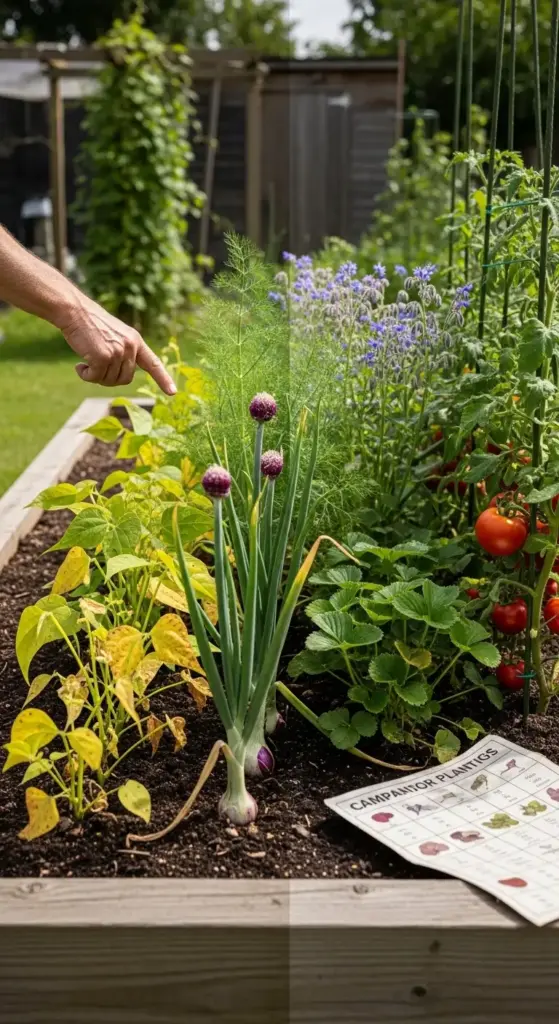
I learned this lesson the hard way — and it cost me an entire row of beans.
I had this beautiful little kitchen garden going, and I was so proud of it. Everything was planted, watered, and looking great. Then about six weeks in, my beans just… stopped thriving. Yellowing leaves, stunted growth, barely any pods.
Turns out, I had planted them right next to onions. Classic rookie mistake.
Why Incompatible Plant Pairings Are Such a Big Deal
Here’s the thing most beginner gardeners don’t realize — bad plant combinations don’t just slow things down a little.
They can actively damage your plants through chemical interference, increased disease pressure, and competition for the same nutrients. The technical term is allelopathy — when one plant releases chemicals that inhibit the growth of another.
It’s basically plants being territorial. And some of them are really aggressive about it.
Fennel: The Garden Loner You Need to Isolate
Let me be very clear about this one. Fennel is toxic to almost everything else in your garden.
It releases allelopathic compounds from its roots and leaves that inhibit the growth of most vegetables and herbs nearby. We’re talking tomatoes, peppers, beans, kohlrabi, and even some flowers.
The only plants that can somewhat tolerate fennel nearby are dill (though they’ll cross-pollinate and lose their distinct flavors) and cosmos.
My honest advice? Give fennel its own container or a completely separate bed — at least 3 to 4 feet away from everything else. It’s a gorgeous, useful herb, but it needs to be in isolation.
I once watched a perfectly healthy pepper plant decline over three weeks because fennel was planted just 18 inches away. Never again.
Onions and Beans: A Pairing That Just Doesn’t Work
This one surprises a lot of people because both are such common garden staples.
But onions — and the entire allium family (garlic, leeks, chives, shallots) — release sulfur compounds that actively inhibit the growth of beans and peas.
Beans are nitrogen-fixing plants, meaning they work with soil bacteria called rhizobia to pull nitrogen from the air. Allium compounds disrupt that process, essentially cutting off the bean’s natural nutrient supply.
The result? Stunted plants, poor pod development, and a harvest that’ll leave you scratching your head.
Keep your onion family plants at least 2 to 3 feet away from any legumes. It’s a simple fix that makes a huge difference.
Brassicas and Strawberries: A Beautiful Disaster
This one is sneaky because visually, they actually look lovely together.
Brassicas — that’s your cabbage, broccoli, kale, Brussels sprouts, and cauliflower — compete aggressively with strawberries for the same soil nutrients, particularly calcium and potassium.


But it goes deeper than just competition. Brassicas are also heavy feeders that can deplete the soil so quickly that strawberries — which are already somewhat sensitive plants — end up nutrient-starved and vulnerable to disease.
Strawberries actually do much better paired with borage, spinach, or thyme — plants that complement rather than compete.
And here’s a bonus tip — borage is said to improve the flavor of strawberries AND repel pests. That’s a win-win I’ll take every single time.
Other Incompatible Pairings Worth Knowing
Since we’re on the topic, here are a few more bad plant combinations that catch gardeners off guard:
- Tomatoes + Fennel — fennel stunts tomato growth significantly
- Peppers + Fennel — same issue, keep them far apart
- Cucumbers + Sage — sage inhibits cucumber growth
- Carrots + Dill — dill can cross-pollinate with carrots and stunt their development when mature
- Cabbage + Strawberries — nutrient competition leads to poor yields for both
- Onions + Asparagus — onions stunt asparagus growth underground where you can’t even see the damage happening
Save this list. Seriously. Print it, screenshot it, pin it — whatever works for you.
Tips for Spacing and Planning to Avoid These Mistakes
The best way to prevent bad pairings is to plan before you plant. I know that sounds obvious, but so many of us (myself included, multiple times) just grab seedlings and start digging.
Here’s what actually works:
Sketch your garden bed on paper first. It doesn’t have to be fancy — even a rough grid on a notepad works. Assign each plant a spot and then cross-reference it against a companion planting chart before anything goes in the ground.
Keep allelopathic plants like fennel and sage on the outer edges or in separate containers. Think of them as the plants that need their own personal space — and respect that.
Also, rotate your crops every season. Even compatible plants can cause soil imbalances if they’re grown in the same spot year after year.
How Poor Plant Placement Affects Your Garden’s Look AND Health
Here’s something that doesn’t get talked about enough — bad plant placement doesn’t just hurt your yields, it makes your garden look chaotic.
When plants are struggling, they show it. Yellowing leaves, leggy growth, sparse foliage — it all adds up to a garden that looks stressed instead of lush and intentional.
A well-planned companion planting layout does double duty. It keeps your plants healthy and creates that beautiful, layered, designed look that makes people stop and say “wow, who did your garden?”
Tall plants in the back, medium in the middle, low-growing ground covers up front. Compatible neighbors side by side. It’s garden design and plant science working together — and honestly, it’s one of my favorite things about this whole approach.
So now you know what to plant together — and what to keep far, far apart.
👇 Hit “Next” below to get into the really fun part — how to design a companion planting garden that’s just as beautiful as it is productive. We’re talking layouts, color combinations, raised bed designs, and the kind of garden that looks like it belongs in a magazine. You’re going to love this one. 🌿




GIPHY App Key not set. Please check settings