

 The Home Growns
How Companion Planting Supports a Healthier Lifestyle and Home
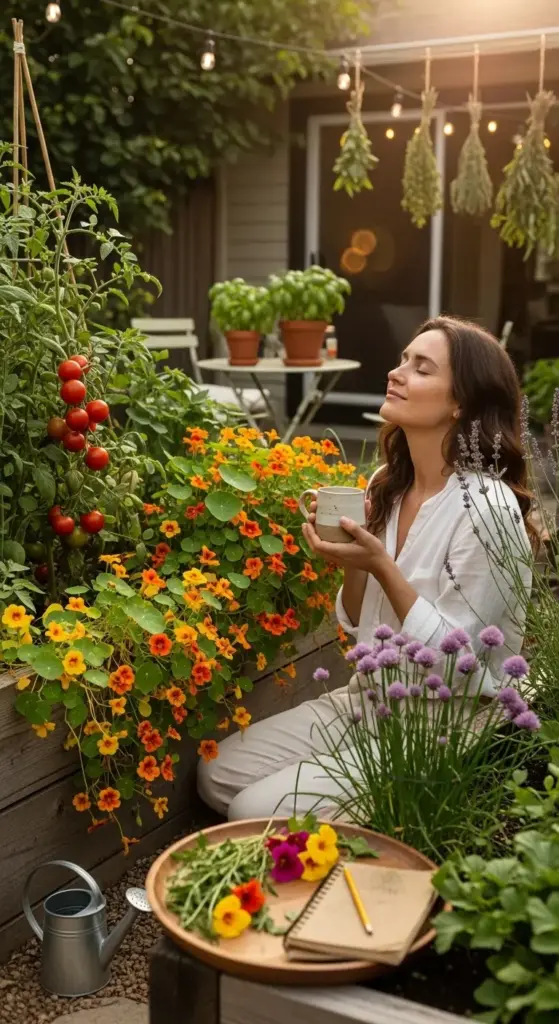
There was a specific moment when I realized gardening had become something much bigger than just growing food.
It was a Tuesday evening — one of those days where everything felt heavy and overwhelming. I walked outside, sat next to my raised beds, and just breathed.
The smell of basil in warm air. The sound of bees working through the marigolds. The sight of tomatoes turning red against green foliage.
I felt better within minutes. Not because anything had changed — but because the garden had.
That’s when I understood that companion planting wasn’t just a growing strategy. It was a lifestyle choice that touched every corner of my home and health.
Growing Your Own Organic Food: The Wellness Connection
Let’s start with the most tangible benefit — the food itself.
Homegrown organic vegetables are genuinely more nutritious than their store-bought counterparts. A study published in the Journal of Agricultural and Food Chemistry found that homegrown tomatoes contained significantly higher levels of vitamin C, lycopene, and antioxidants than commercially grown varieties harvested early for shipping.
And that’s before we even talk about pesticide residue.
The Environmental Working Group publishes an annual “Dirty Dozen” list of the most pesticide-contaminated produce in American grocery stores. Year after year, the list includes:
- Strawberries
- Spinach
- Kale and collard greens
- Tomatoes
- Bell peppers
- Cucumbers
Look familiar? Those are almost exactly the crops most commonly grown in companion planting gardens.
When you grow these foods yourself — without synthetic pesticides, using companion plants for natural pest control — you’re removing a significant source of chemical exposure from your family’s diet.
For women between 25 and 44 — many of whom are thinking carefully about what goes into their bodies and their children’s bodies — that matters enormously.
The nutrient density advantage goes even deeper when you grow in living, compost-rich soil.
Commercially grown produce is often grown in depleted soil that’s been chemically fertilized for decades. The plants grow fast and look perfect, but the mineral content is significantly lower than produce grown in healthy, biologically active soil.
A companion planting garden built on good compost, worm castings, and diverse plant life creates exactly the kind of living soil that produces genuinely nutrient-dense food.
You can taste the difference. Anyone who has eaten a tomato still warm from their own garden knows exactly what I mean.
How a Thriving Garden Reduces Stress and Boosts Mental Health
This isn’t just anecdotal — the science on gardening and mental health is genuinely compelling.
A landmark study from the University of Bristol found that contact with a specific soil bacterium called Mycobacterium vaccae — present in healthy garden soil — triggers the release of serotonin in the brain. The same neurotransmitter targeted by antidepressant medications.
Literally. Digging in healthy soil makes you happier. The science says so.
Gardening also activates what psychologists call “attention restoration.”
Our brains have two types of attention — directed attention (the focused, effortful kind we use for work, screens, and problem-solving) and involuntary attention (the effortless kind triggered by natural environments).
Directed attention depletes. It causes mental fatigue, irritability, and difficulty concentrating. Sound familiar?
Natural environments — including gardens — restore directed attention by engaging involuntary attention instead. Even 20 minutes of gardening has been shown to measurably reduce cortisol levels and improve mood.
The rhythm of companion gardening specifically — the observing, the tending, the noticing of small changes — creates what psychologists call a “flow state.”
Flow is that deeply satisfying mental state where you’re fully absorbed in an activity, time passes without notice, and you emerge feeling refreshed rather than depleted.
Weeding, harvesting, deadheading marigolds, checking on your tomatoes — these repetitive, sensory-rich tasks are almost perfectly designed to induce flow.
It’s not an accident that so many women describe their gardens as their “therapy.” There’s real neuroscience behind that feeling.
Incorporating Garden Harvests Into Healthy Home-Cooked Meals
Here’s where the companion planting garden starts paying dividends in the most delicious way possible.
When you grow it yourself, you actually use it. That’s been my consistent experience — and I’ve heard it from dozens of other home gardeners too.
That bunch of basil you bought at the grocery store? Half of it wilts in the fridge before you get to it. The basil growing three feet from your back door? You’re out there snipping it for everything.
Simple Ways to Use Your Companion Garden Harvest:
Fresh basil — beyond pasta sauce, try basil in:
- Basil lemonade (blend fresh basil with lemon juice, honey, and water — incredible)
- Caprese salad with homegrown tomatoes and fresh mozzarella
- Basil vinaigrette drizzled over roasted vegetables
- Pesto made in batches and frozen in ice cube trays for year-round use
Nasturtium flowers and leaves — both completely edible with a peppery flavor:
- Toss whole flowers into green salads for color and flavor
- Use large leaves as wraps for grain salads or cream cheese
- Float flowers in sparkling water or cocktails for a stunning visual effect
- Stuff flowers with herbed goat cheese for an appetizer that genuinely impresses people
Chive blossoms — the purple flowers are edible and beautiful:
- Infuse in white wine vinegar for a gorgeous pink chive blossom vinegar
- Sprinkle over scrambled eggs, soups, and salads
- Use as a garnish that makes home cooking look genuinely restaurant-quality
Marigold petals — yes, they’re edible too:
- Sprinkle over rice dishes as a saffron substitute (they have a similar golden color)
- Add to salads for color
- Dry and use in herbal teas — more on that in a moment
The meal planning shift that happens when you garden is subtle but significant.
You start cooking around what’s ready to harvest rather than around what’s on sale at the grocery store. Your meals become more seasonal, more varied, and — almost without trying — more nutritious.
It’s one of the most natural ways to improve your diet that I’ve ever encountered. No meal plan required. Just walk outside and see what’s ready.
Teaching Kids About Nature, Food, and Sustainability Through Companion Gardening
If you have children, a companion planting garden is one of the greatest gifts you can give them.
I know that sounds dramatic. But hear me out.
We are raising a generation of children who are increasingly disconnected from where their food comes from. Studies show that many children cannot identify common vegetables in their whole form — only recognizing them processed and packaged.
A garden fixes that in the most direct, experiential way possible.
When a child plants a seed, waters it, watches it grow, and eventually eats what it produces — something fundamental shifts in their relationship with food.
Age-Appropriate Garden Tasks for Kids:
Ages 3 to 5:
- Pressing seeds into soil with their fingers
- Watering with a small watering can
- Harvesting cherry tomatoes and strawberries (they’re very motivated by this)
- Identifying companion flowers like marigolds and nasturtiums by color
Ages 6 to 9:
- Direct sowing seeds like beans, nasturtiums, and radishes
- Helping mix compost into garden beds
- Learning to identify beneficial insects vs. pests
- Keeping a simple garden journal with drawings
Ages 10 and up:
- Planning their own small companion planting bed
- Learning to read seed packets and calculate planting dates
- Understanding the science of companion plant relationships
- Harvesting and preparing simple recipes from the garden
The sustainability lessons embedded in companion gardening are profound and age-appropriate at every level.
Why do we plant marigolds with tomatoes? Because nature has its own pest control system and we can work with it instead of against it.
Why do we compost? Because nothing is wasted — kitchen scraps become food for the garden that becomes food for us.
Why don’t we use chemical sprays? Because what goes into the soil and onto our plants eventually goes into our bodies and our water.
These aren’t abstract environmental concepts. They’re visible, tangible lessons happening right in your backyard.


Children who garden develop measurably higher rates of environmental stewardship, willingness to try new vegetables, and understanding of natural systems than children who don’t. The research on this is consistent and compelling.
The Aesthetic Joy of a Well-Designed Garden as Part of Your Home Decor
Let’s talk about something that doesn’t get enough credit in gardening conversations — how your garden makes your home feel.
A well-designed companion planting garden isn’t just a food production system. It’s an extension of your living space. It’s part of your home’s aesthetic. And for women who care deeply about how their spaces look and feel — which, based on everything I know about this audience, is most of you — that matters.
The Visual Impact of Companion Planting Done Well
There’s a reason kitchen gardens and cottage gardens are having such a massive moment on Pinterest and Instagram right now.
The combination of vegetables, herbs, and flowers growing together — the layered textures, the varied heights, the pops of color from marigolds and nasturtiums against green foliage — creates a visual richness that a purely ornamental garden often can’t match.
It looks alive. Because it is.
Bringing the Garden Indoors
A companion planting garden gives you an endless supply of natural home decor that costs nothing and looks extraordinary.
- Fresh herb bundles hung to dry in your kitchen — rosemary, lavender, and thyme tied with twine look beautiful and smell incredible
- Nasturtium and marigold arrangements in small vases on your kitchen table — they last surprisingly well as cut flowers
- Chive blossom stems in a simple glass of water on a windowsill — the purple globes are genuinely stunning
- Dried lavender bundles in bedrooms and bathrooms for natural fragrance
- A small pot of basil on your kitchen counter — functional, fragrant, and beautiful simultaneously
Your garden becomes a living source of home styling material that changes with the seasons and costs nothing beyond the seeds you’ve already planted.
The Outdoor Living Connection
For women who invest in their homes and outdoor spaces — and who think carefully about how every corner of their environment looks and feels — a designed companion garden elevates the entire outdoor living experience.
Imagine sitting on your patio or balcony surrounded by:
- The scent of lavender and basil drifting on warm air
- The visual of marigolds and nasturtiums spilling over raised bed edges
- The sound of bees working through borage flowers
- A glass of something cold, a good book, and the knowledge that everything around you is growing, thriving, and working together
That’s not just a garden. That’s a sanctuary. And you built it.
Connecting Gardening With Self-Care Rituals
This is the section I get most excited to talk about — because it’s where companion planting becomes something truly personal.
The herbs and flowers growing in your companion garden aren’t just pest deterrents and flavor boosters. Many of them are powerful wellness tools that have been used in self-care rituals for centuries.
Herbal Teas From Your Companion Garden
Growing your own herbal tea garden within your companion planting beds is one of the most satisfying things you can do as a gardener.
These companion plants double as excellent tea herbs:
Chamomile (Matricaria chamomilla)
- Plant near brassicas and onions as a companion
- Harvest flowers when fully open and dry on a screen for 1 to 2 weeks
- Brew 1 tablespoon of dried flowers per cup of boiling water for 5 minutes
- Known for its calming, sleep-supporting properties — a perfect evening ritual
Lavender
- Harvest flower spikes just before they fully open for the most intense fragrance and flavor
- Dry in small bundles hung upside down for 2 weeks
- Add 3 to 4 dried flower heads per cup of hot water — steep for 4 minutes
- Pairs beautifully with honey and lemon
- Known for stress reduction and relaxation — exactly what a tired, busy woman needs at the end of the day
Lemon Balm (Melissa officinalis)
- An excellent companion plant that attracts pollinators and repels aphids
- Fresh or dried leaves make a bright, citrusy tea with mild calming properties
- Grows prolifically — almost too prolifically, so plant in a contained area or pot
- Brew fresh leaves for 5 to 7 minutes for a gentle, uplifting cup
Peppermint
- A powerful companion plant that repels aphids, ants, and flea beetles
- Must be grown in containers — it spreads aggressively and will take over a garden bed
- Fresh mint tea is as simple as it gets — a handful of leaves, boiling water, 5 minutes
- Known for digestive support, headache relief, and mental clarity
Echinacea (Coneflower)
- Beautiful, long-blooming flowers that attract pollinators all season
- Roots, leaves, and flowers all have traditional immune-supporting properties
- Dry petals and leaves for tea, or tincture the roots in fall
- One of the most beautiful companion plants you can grow — the purple coneflowers are absolutely stunning in a garden bed
Creating a Simple Garden Self-Care Ritual
Here’s something I started doing a few years ago that has become one of my favorite parts of the day.
Every morning, before the day gets busy, I spend 10 to 15 minutes in the garden.
Not working. Not weeding. Just being there.
I walk the beds slowly. I notice what’s changed overnight. I pick a few herbs, smell them, maybe snip some for my morning tea. I check on the tomatoes, deadhead a few marigolds, watch the bees.
It costs nothing. It takes almost no time. And it sets the tone for the entire day in a way that no productivity hack or morning routine I’ve ever tried can match.
Edible Flowers as a Self-Care Practice
There’s something deeply nourishing — physically and emotionally — about eating flowers you grew yourself.
Edible companion flowers to incorporate into your self-care routine:
- Nasturtiums — peppery, beautiful, rich in vitamin C and lutein
- Borage flowers — bright blue, cucumber-flavored, traditionally used to lift mood and reduce anxiety
- Chamomile flowers — sweet, apple-scented, calming
- Lavender flowers — use sparingly in baking and drinks (a little goes a long way)
- Marigold petals (Calendula variety specifically) — anti-inflammatory, used in skin care and herbal medicine for centuries
- Chive blossoms — mild onion flavor, beautiful purple color, rich in vitamins A and C
- Rose petals — if you’re growing roses with garlic companions, the petals are edible and make a gorgeous addition to salads and desserts
Add a handful of nasturtium flowers to your lunch salad. Float borage flowers in your afternoon water. Dry chamomile from your garden for your evening tea.
These small rituals connect you to your garden in a way that goes beyond productivity and harvest. They make the garden part of your daily self-care practice — and that changes your relationship with it entirely.
The Calendula Connection
I want to give calendula (Calendula officinalis) its own special mention here — because it might be the single most useful companion plant for a health and wellness-focused gardener.
Calendula is:
- An excellent companion plant that repels aphids, tomato hornworms, and asparagus beetles
- A powerful medicinal herb with well-documented anti-inflammatory and antimicrobial properties
- The base ingredient in homemade skin salves, lip balms, and healing creams
- A beautiful cut flower that blooms prolifically from spring through frost in most climates
- Completely edible — petals can be used fresh or dried in teas, soups, and baked goods
Making a simple calendula-infused oil from your garden harvest is one of the most satisfying DIY projects a home gardener can do.
Dry the petals completely (this is important — any moisture causes mold), then cover with olive or jojoba oil in a clean jar. Let infuse in a warm, sunny window for 4 to 6 weeks, shaking daily. Strain and use as a skin-soothing body oil or as the base for a homemade salve.
It’s the kind of thing that makes you feel genuinely self-sufficient — and deeply connected to the plants you’ve been tending all season.
The Bigger Picture
Here’s what I want you to take away from this section — and really, from this entire guide.
Companion planting is not just a gardening technique.
It’s a way of thinking about your relationship with the natural world. It’s a daily practice of observation, intention, and care. It’s a source of nourishment — physical, emotional, and aesthetic — that ripples outward into every corner of your home and life.
The garden that starts as a raised bed of tomatoes and marigolds becomes, over seasons, a sanctuary. A classroom for your children. A source of healing herbs and beautiful flowers. A place where stress dissolves and creativity flourishes. A living expression of your values — your commitment to health, sustainability, beauty, and intentional living.
That’s what you’re really building when you plant a companion garden.
And it starts with a single seed.
Conclusion
Companion planting is so much more than a gardening technique — it’s a lifestyle. It’s about creating a space that nourishes your family, beautifies your home, and works with nature instead of against it. From the Three Sisters to marigold borders that make your neighbors stop and stare, every intentional pairing brings you one step closer to the organic garden of your dreams.
Whether you’re starting with a single raised bed in your backyard or reimagining your entire outdoor space, the steps in this guide give you everything you need to get started with confidence. You’ve got this! 🌸
Now it’s your turn — pick one companion planting combo from this guide and try it this season. Share your garden journey, tag your progress, and inspire other women in your community to grow something beautiful. Happy planting! 🌱



GIPHY App Key not set. Please check settings