

 The Home Growns
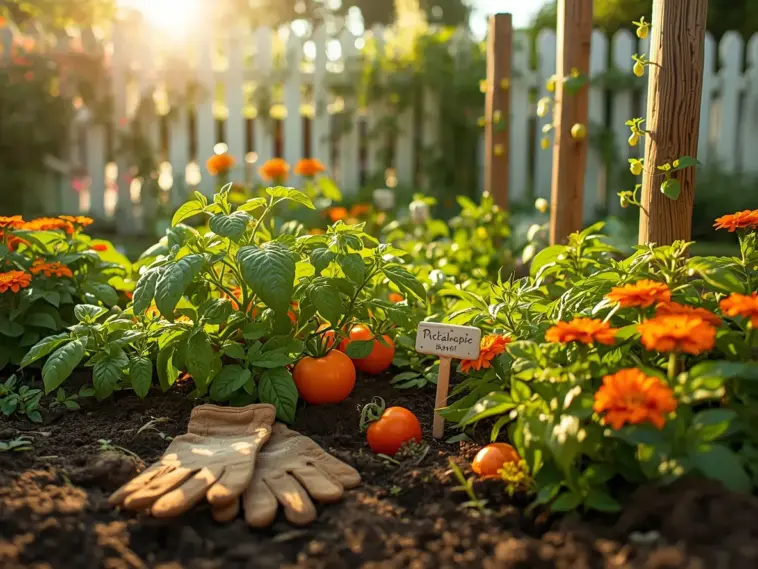
Did you know that pairing the right plants together can increase your garden’s yield by up to 20%? Welcome to the world of companion planting — one of the most rewarding, chemical-free strategies for growing a lush, productive organic garden right in your backyard (or balcony!).
Whether you’re a busy mom in Chicago squeezing a raised bed onto your patio, or a design-savvy plant lover in Los Angeles dreaming of a gorgeous edible garden, companion planting is your secret weapon. It’s not just gardening — it’s smart gardening. I’ve seen firsthand how the right plant pairings can transform a struggling garden into something truly beautiful and bountiful.
In this guide, we’ll walk you through everything step by step — from understanding the basics to designing a garden that’s as stunning as it is productive. Let’s dig in! 🌿
What Is Companion Planting and Why Does It Matter for Organic Gardens
I’ll be honest — the first time I heard the term “companion planting,” I thought it sounded a little too wholesome to be real. Like, plants having friends? Come on.
But then my tomato plants kept getting destroyed by aphids every single summer, and I was desperate enough to try anything.
That’s when everything changed.
So… What Exactly Is Companion Planting?
At its simplest, companion planting is the practice of growing different plants close together so they can help each other out.
Think of it like choosing the right roommates. Some plants are amazing together — they share resources, protect each other, and just thrive. Others? Total disasters side by side.
It’s one of the oldest tricks in the organic gardening playbook, and honestly, it works better than I ever expected.
The Science Behind It (Don’t Worry, It’s Not Boring)
Here’s what’s actually happening underground and above ground when companion plants do their thing.
Some plants, like nitrogen-fixing legumes (beans, peas), pull nitrogen from the air and deposit it into the soil — basically acting as a free, natural fertilizer for their neighbors.
Above ground, strong-smelling plants like basil, garlic, and marigolds confuse and repel pests by masking the scent of your vegetables. Aphids, whiteflies, and beetles literally can’t find your tomatoes. Game changer.
And then there’s the pollinator piece. Flowering companion plants like nasturtiums and lavender attract bees and butterflies, which means better pollination and way bigger harvests.


Why It Matters So Much for Organic Gardens Specifically
If you’re trying to garden without synthetic pesticides or chemical fertilizers, companion planting isn’t just helpful — it’s kind of essential.
It’s your built-in pest control system. Your natural soil booster. Your secret weapon for a healthier, more productive garden without reaching for a single bottle of chemicals.
And if you’ve got kids or pets running around your backyard (same), that peace of mind is everything.
A Quick Trip Back in Time
This isn’t some new trend that showed up on Pinterest last year. Companion planting has been practiced for thousands of years.
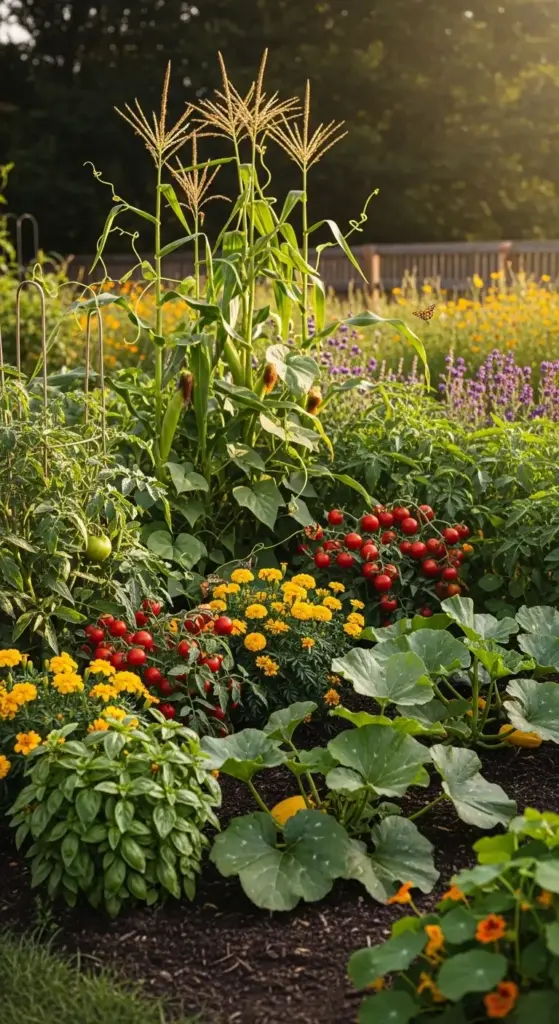
The Native American farming technique known as the “Three Sisters” — planting corn, beans, and squash together — dates back over 3,000 years. The corn grows tall and gives the beans something to climb. The beans fix nitrogen in the soil. The squash spreads low and wide, shading the ground to lock in moisture and crowd out weeds.
Three plants. Zero waste. Pure genius.
Why It’s Making Such a Big Comeback Right Now
More and more home gardeners — especially women building beautiful, intentional outdoor spaces — are ditching the chemicals and going back to basics.
Organic gardening, sustainable living, and chemical-free food are no longer niche interests. They’re mainstream. And companion planting fits perfectly into that lifestyle.
It’s also just… satisfying in a way that’s hard to explain until you experience it. Watching a garden work like a little ecosystem — where every plant has a purpose and a partner — feels like something really special.
Ready to find out which plant combinations actually work — and which ones are total disasters waiting to happen?
👇 Hit the “Next” button below to dive into the best (and worst) companion planting combinations you need to know before you put a single seed in the ground. Trust me, you don’t want to skip that one.



GIPHY App Key not set. Please check settings