

 The Home Growns

If you want a yard that feels pretty and practical, this is my kind of project. I love natural mosquito repellent plants, but I’ll be real with you, they won’t create some magical bug-proof force field all by themselves.
What they can do is add fragrance, texture, color, and helpful aromatic oils around the spaces where you actually sit. Pair them with smart backyard mosquito prevention, like dumping standing water and using a fan on the patio, and you’ve got a much better setup.
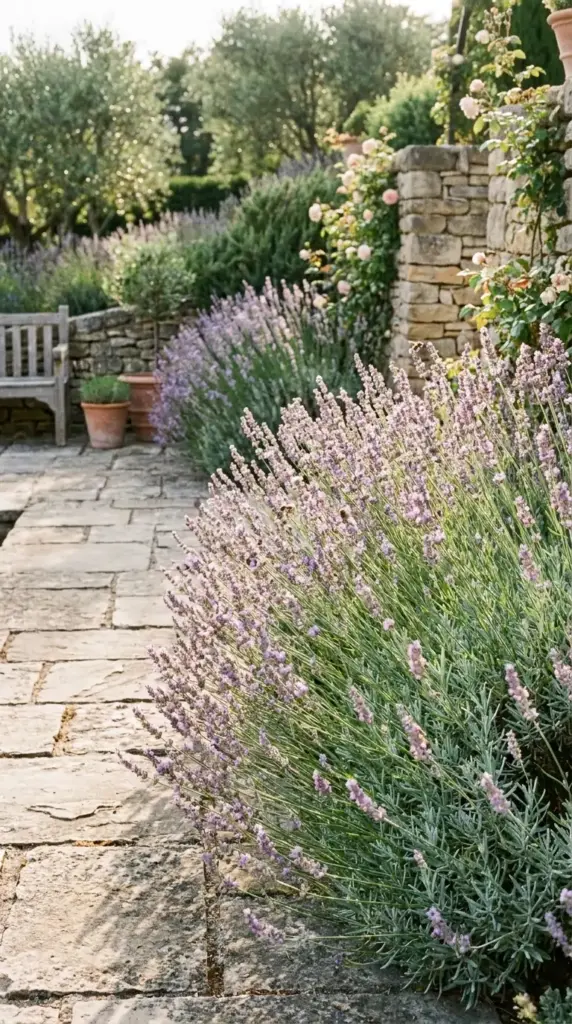
Lavender
Why Lavender Is Always on My List
If I had to pick one plant that screams beautiful mosquito repellent garden, it would be lavender. It has that clean, calming scent people love, while mosquitoes tend to dislike the strong aromatic oils.
I also love that it fits almost any style. It works in a cottage garden, a modern border, or a row of sleek porch pots without looking out of place.
Best Lavender Types for Home Gardens
For smaller spaces, I usually point people toward compact English lavender types like Hidcote or Munstead. They stay tidier and are easier to tuck into front porch containers or sunny path edges.
If you want a slightly softer, fluffier look, some lavandin types can give you longer stems and a bigger presence. Just make sure you have the sun for it.
How to Keep It Full, Not Woody
Lavender wants full sun, sharp drainage, and a little tough love. The biggest mistake I see is people babying it with rich soil and too much water, then wondering why it gets floppy and sad.
I trim mine lightly after blooming and avoid wet feet at all costs. Honestly, soggy soil is lavender’s villain origin story.
Where It Looks Best
I love using lavender near walkways, patio seating, and outdoor dining spaces where the scent gets released when you brush by it. It also plays really well with stone, gravel, and terracotta if you like that relaxed Mediterranean vibe.
Next up is a color bomb of a plant that works overtime in beds and containers, so hit the next button below for marigolds.



GIPHY App Key not set. Please check settings